
The revival of quilting and woodworking reflects a growing appreciation for craftsmanship, sustainability, and cultural heritage. You can embrace traditional techniques using vintage tools and eco-friendly materials like recycled fabrics and reclaimed wood. These crafts allow you to create meaningful, lasting items while connecting with a rich history. Focusing on quality and mindful practices, you’ll experience craftsmanship’s value in a way that’s both authentic and environmentally responsible. Keep exploring to discover even richer traditions and skills.
Key Takeaways
- The revival emphasizes traditional techniques, tools, and sustainable materials in quilting and woodworking.
- Vintage tools are valued for their durability, precision, and connection to historic craftsmanship.
- Practicing these crafts fosters appreciation for skill, heritage, and environmentally responsible practices.
- The movement encourages creating unique, meaningful items that prioritize quality over quantity.
- This resurgence links cultural preservation with eco-consciousness, promoting a mindful, skillful approach to craftsmanship.

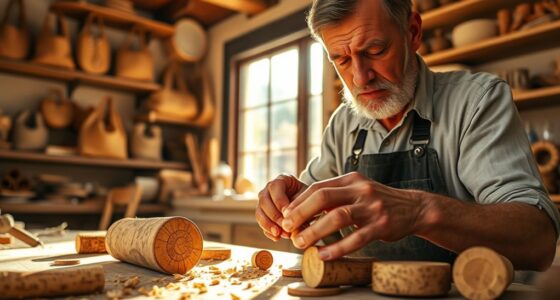
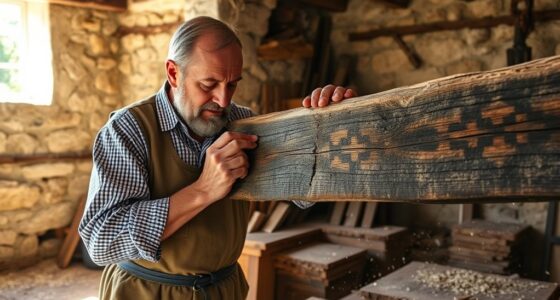
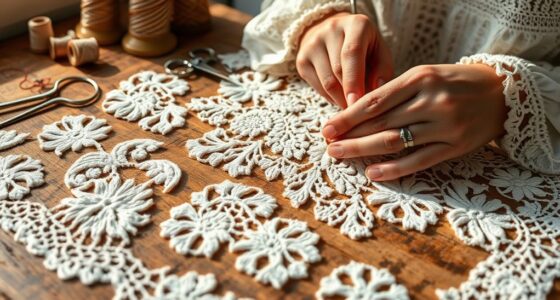
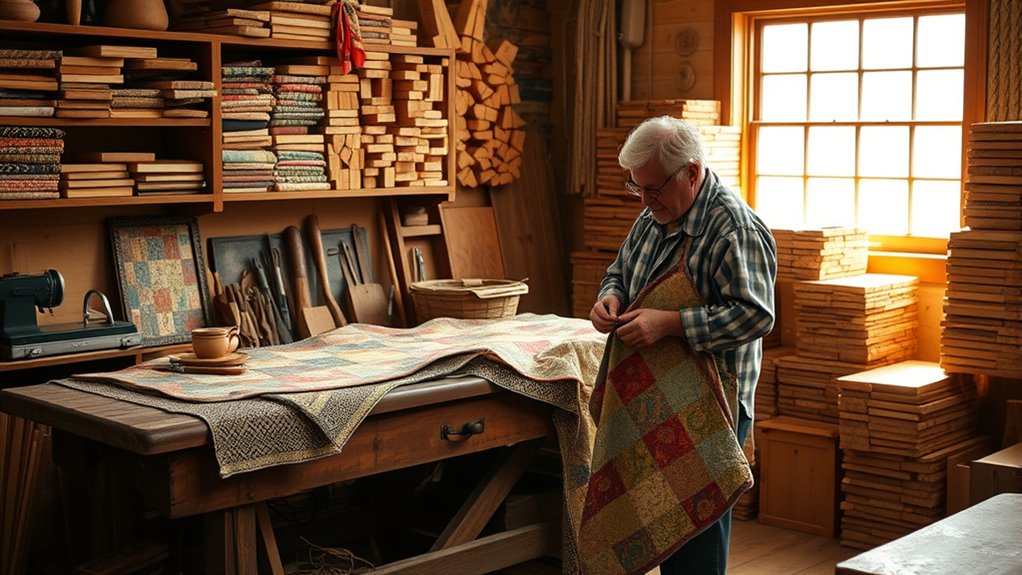
Have you ever wondered why traditional crafts continue to captivate us even in a modern world? It’s often because these crafts connect us to something timeless, offering authenticity and a sense of purpose that mass-produced goods can’t match. When it comes to quilting and woodworking, the revival is driven by a desire to preserve heritage while embracing sustainable practices. Many artisans choose sustainable materials like organic cotton, recycled fabrics, or reclaimed wood, making their crafts not only beautiful but environmentally responsible. Using sustainable materials isn’t just a trend; it’s a conscious choice to reduce waste and lessen the ecological footprint of your projects. It also adds a layer of meaning to your work, knowing you’re contributing to the preservation of resources for future generations. Vintage tools play a significant role in this revival, too. These tools carry history and craftsmanship, allowing you to connect with traditional techniques that modern equipment often lack. Whether it’s a well-worn quilting ruler, a hand-carved quilting needle, or a vintage saw and chisel, these tools enable you to work more intentionally. They demand patience and skill, fostering a deeper appreciation for the craft and the effort behind each finished piece. Using vintage tools also means you’re often working with equipment designed for durability and precision, which can improve the quality of your work. Additionally, vintage tools have a character and charm that new tools sometimes lack, adding to the overall experience and connection to the craft. Incorporating traditional skills into your projects can deepen your appreciation for craftsmanship and history. When you incorporate sustainable materials and vintage tools into your quilting or woodworking projects, you’re not just creating; you’re participating in a movement that values craftsmanship, history, and environmental consciousness. This approach encourages you to slow down, pay attention to detail, and develop a more meaningful relationship with your work. It’s about valuing quality over quantity and appreciating the story behind each material and tool. As more people rediscover these traditional crafts, they’re discovering that the process itself holds as much value as the finished product. Whether you’re piecing together a quilt with scraps of fabric or shaping wood with hand tools, these practices connect you to a lineage of artisans who prioritized sustainability and skill. The revival of quilting and woodworking isn’t just about nostalgia; it’s about creating something unique and lasting while honoring the environment and the craftsmanship of the past. So, when you pick up those vintage tools or select sustainable materials, you’re part of a movement that celebrates timeless skills, responsible choices, and the joy of crafting with purpose.
Frequently Asked Questions
How Do Modern Technologies Influence Traditional Quilting and Woodworking?
Modern technologies influence traditional quilting and woodworking by providing digital tools that make designing and planning easier, allowing you to experiment with patterns and techniques more efficiently. You can also access online marketplaces to buy unique fabrics, tools, and supplies or sell your crafts to a wider audience. These advancements help you preserve the skills while innovating and expanding your craft, making it more accessible and enjoyable.
What Are Beginner-Friendly Projects for Quilting and Woodworking Revival?
For beginner-friendly quilting projects, start with simple patchwork quilts using basic square or triangle blocks; they’re easy to master and build confidence. In woodworking, try beginner woodworking projects like a small shelf or picture frame, which require minimal tools and skills. Both activities allow you to enjoy the revival of traditional crafts while developing essential techniques. Keep it simple, practice regularly, and you’ll soon create beautiful handcrafted pieces.
How Do Craft Communities Support the Resurgence of These Classic Arts?
Craft communities support the resurgence of quilting and woodworking by organizing craft fairs where you can showcase and sell your creations, inspiring others to join in. Online forums connect you with fellow enthusiasts, offering advice, tutorials, and encouragement. These platforms foster collaboration, preserve techniques, and build a sense of belonging. By participating actively, you help keep these classic arts alive, ensuring they continue to thrive for future generations.
Are Sustainable Practices Incorporated Into Contemporary Quilting and Woodworking?
Yes, sustainable practices are increasingly incorporated into contemporary quilting and woodworking. You’ll find artisans using recycled materials like fabric scraps and reclaimed wood, reducing waste. Many also opt for eco-friendly dyes to minimize environmental impact. By embracing these sustainable methods, you support a greener craft community while creating beautiful, responsible pieces that reflect a commitment to environmental stewardship.
How Have Cultural Influences Shaped Modern Interpretations of These Crafts?
You might think modern quilting and woodworking are purely traditional, but cultural influences deeply shape their evolution. Cultural symbolism inspires new patterns and techniques, blending meaning and aesthetics. Historical adaptations, like incorporating indigenous motifs or contemporary themes, reflect diverse backgrounds and evolving identities. These crafts now serve as expressive mediums, balancing respect for tradition with innovation, making each piece a unique story rooted in cultural dialogue and adaptation.
Conclusion
As you pick up your needle or tool, you feel the gentle tug of history guiding your hands. The scent of fresh-cut wood or freshly sewn fabric surrounds you, grounding you in age-old traditions. With each stitch and cut, you’re weaving your story into the fabric of time. Embrace this revival, where your creativity blooms like vibrant threads and smooth timber, reconnecting you to a craft that’s as timeless and comforting as the warm glow of a finished piece.