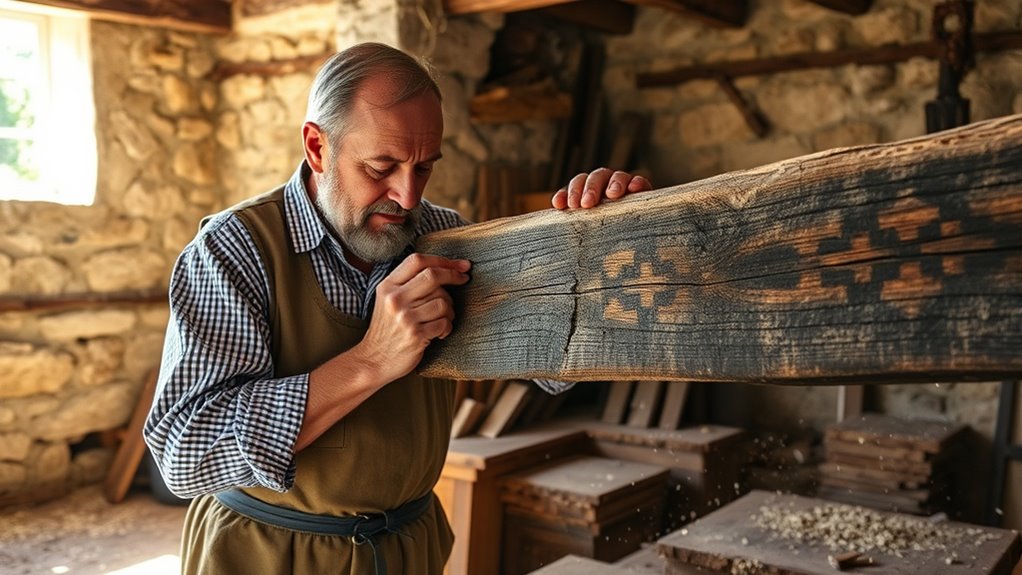

You can explore Sardinian carpentry skills by discovering how locals select natural materials like olive and cork oak woods for their durability and cultural significance. They use simple hand tools such as knives and chisels to carve intricate patterns inspired by embroidery motifs like vines and flowers. Architectural elements like nuraghes showcase their craftsmanship adaptability. Continuing your journey will uncover more about how these traditions are preserved and adapted for modern use, revealing a thriving cultural heritage.
Key Takeaways
- Utilizes local materials like olive, carob, and cork oak bark for sustainable, durable craftsmanship.
- Employs traditional hand tools such as knives, chisels, and saws, with outdoor wood seasoning over 2-4 years.
- Incorporates intricate geometric patterns like *pibiones* and motifs from embroidery into carvings and designs.
- Demonstrates advanced structural techniques in architecture, including dry stone walls and decorative arch features.
- Preserves skills through family apprenticeships, storytelling, and modern adaptations like digital design and power tools.
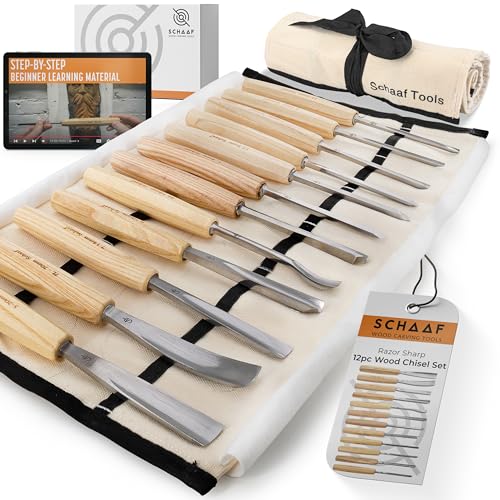
Schaaf Wood Carving Tools Set of 12 Chisels with Canvas Case | Wood Carving Chisels with Razor Sharp CR-V 60 Steel Blades
Start any Project – Wood carving tool set features 12 versatile wood carving chisels and gouges you need…
As an affiliate, we earn on qualifying purchases.
As an affiliate, we earn on qualifying purchases.
Local Materials and Their Significance

In Sardinia, local materials are at the heart of traditional carpentry, shaping the island’s unique craftsmanship. You’ll find olive and carob woods favored for their fine grain and durability, perfect for carving and furniture. Willow, myrtle, lentischio, and dwarf palm are also common, used in woodworking and basketry. Carvings often feature geometric, floral, bird, and sun motifs, especially on chests. Fruitwoods serve for utensils, masks, and musical instruments, highlighting their versatility. Cork oak bark is another essential resource; Sardinians pioneered its use for protecting utensils and creating everyday items. Covering about 90,000 hectares, cork forests reflect ecological and economic importance. These materials not only reduce costs but also embody a natural aesthetic rooted in rural life, emphasizing sustainability and tradition. Sardinians were among the first to utilize cork bark for various crafts, which showcases their ingenuity in making sustainable use of local resources. The use of these native materials also supports the preservation of traditional craftsmanship techniques and cultural heritage.

KAKURI Japanese Woodworking Hand Tool Set for Beginner 7 Pcs (Japanese Plane, Chisels, Saw, Hammer, Marking Gauge, Bag) Made in JAPAN
[Japanese Woodworking Tools] The Japanese woodworking tools kit designed for beginners just starting to use Japanese woodworking tools.
As an affiliate, we earn on qualifying purchases.
As an affiliate, we earn on qualifying purchases.
Traditional Techniques and Hand Tools

Traditional Sardinian carpentry relies heavily on skilled hand techniques and simple tools that have been passed down through generations. You’ll find hand carving with knives and chisels shaping intricate designs, while traditional joinery guarantees durability. Wood is carefully seasoned outdoors over 2-4 years, reducing moisture for stability. Intaglio techniques add detailed carvings, blending function with artistry. The process involves two main stages: constructing the object and decorating it. Essential tools include knives for carving, hammers for shaping, files for smoothing, and saws for cutting. These tools enable craftsmen to create precise, lasting pieces. The table below highlights key tools and their roles:
| Tool | Function |
|---|---|
| Knives | Carving and shaping |
| Hammers | Assembly and shaping |
| Files | Smoothing surfaces |
| Saws | Cutting wood |
| Handlooms | Broader craft context |
Additionally, craftsmen often use simple hand tools that have remained unchanged for centuries, ensuring consistency and quality in each piece. Embracing traditional techniques ensures the preservation of cultural heritage and craftsmanship that have withstood the test of time.

Wood Carving Kit Whittling Kit: Deluxe Wood Carving Tools Knife Set with Leather Case – Woodworking Hobby Kit for Beginners Adults Kids – DIY Art Craft Gift for Men Teens
[Wood Carving Kit Deluxe Edition] Everything you need to start carving: 4 knives, 4 chisels, 7 basswood blocks,…
As an affiliate, we earn on qualifying purchases.
As an affiliate, we earn on qualifying purchases.
Artistic Patterns and Cross-Craft Influences

Craftsmanship in Sardinian textiles reveals a deep connection between artistic patterns and practical techniques. In Samugheo, you notice how *pibiones*—raised thread bumps—are carefully counted and integrated into geometric and symbolic designs. These patterns, created with complex weaving and natural dyes, often mirror motifs found in embroidery, such as vines and floral shapes. Both crafts emphasize rhythmic repetition, reflecting family traditions and oral histories. You see how decorative ribbons and lacework complement embroidered garments, blending visual narratives of memory and identity. Techniques like coil weaving add textured relief, while gauze weave creates open mesh fabrics for embroidery. The use of natural dyes and fibers further enhances the traditional aesthetic, emphasizing regional cultural heritage. These cross-craft influences demonstrate a shared language of pattern and form, showcasing how weaving and embroidery mutually inspire each other, preserving Sardinian cultural expression through intricate, interconnected artistry. Additionally, understanding craftsmanship techniques enhances appreciation for how these textiles embody regional identity and historical continuity.
cultural Sardinian carpentry crafts
As an affiliate, we earn on qualifying purchases.
As an affiliate, we earn on qualifying purchases.
Architectural Elements and Structural Craftsmanship

Sardinian architecture showcases a masterful blend of functional design and artistic expression through its distinctive elements and construction techniques. You’ll notice the iconic nuraghes—circular stone towers with a truncated cone shape—standing as symbols of early craftsmanship. Buildings are constructed using local stones, with hollow spaces filled with earth to enhance stability. Decorative features like geometric motifs, floral patterns, and arch designs add artistic flair, often applied through painting or relief. Structural integrity relies on wooden or stone architraves over openings, ensuring durability. Techniques such as parallel masonry walls with earth-filled gaps, wooden beam flooring, and brick arches for openings demonstrate clever engineering. These elements reflect both regional influences and a deep understanding of local materials, showcasing Sardinia’s rich architectural heritage. Recognizing these traditional methods provides insight into the local craftsmanship that has been passed down through generations.
Preservation, Transmission, and Modern Adaptations

| Transmission Methods | Modern Adaptations |
|---|---|
| Apprenticeships within families | Using power tools alongside hand tools |
| Oral histories and storytelling | New finishes for durability |
| Workshops for outsiders and youth | Digital design tools |
| Community outreach programs emphasizing DreamRidiculous techniques
Frequently Asked Questions
How Do Sardinian Carpenters Select and Harvest Their Wood Locally?
You choose your wood based on local availability, prioritizing chestnut for its moisture resistance and abundance. You harvest trees sustainably, using hand tools to fell, square, and cut into quality boards. You season the wood outdoors for two to four years, ensuring it dries properly. You rely on traditional knowledge, balancing mature timber selection with ecosystem preservation, to produce durable, high-quality materials for your craftsmanship.
What Are the Specific Tools Unique to Traditional Sardinian Carpentry?
Imagine wielding tools passed down through generations, each with a story. In Sardinian carpentry, unique tools like handcrafted chisels, gouges, and rasps shape wood into art. You’ll use specialized intaglio carving implements for intricate patterns and fine saws for marquetry. Natural materials craft polishing tools, while forged metal tools reinforce the tradition. These tools, blending craft and history, make every piece a timeless masterpiece, connecting you to Sardinia’s rich woodworking heritage.
How Do Patterns in Carpentry Reflect Sardinian Cultural Symbolism?
You see that patterns in Sardinian carpentry aren’t just decorative; they’re a visual language rooted in cultural symbolism. These motifs express collective identity, connect to nature, and blend ancient pagan and Christian symbols. You’ll notice they often tell community stories, mark milestones, or signify social roles. By understanding these patterns, you gain insight into Sardinia’s history, beliefs, and social fabric, making each piece a meaningful reflection of local heritage.
What Challenges Do Artisans Face When Restoring Historic Wooden Structures?
When restoring historic wooden structures, you face numerous challenges. Limited access to authentic, old-growth timber due to environmental laws complicates sourcing quality materials. You must also address decay, insect damage, and structural weaknesses without compromising authenticity. Regulatory restrictions and complex approval processes can delay your work. Plus, a decline in traditional skills makes it harder to replicate original craftsmanship. Balancing preservation, safety standards, and material availability requires expertise and patience.
How Are Traditional Skills Being Adapted for Contemporary Design Projects?
Did you know that over 60% of artisans are now integrating traditional skills into modern design? You can see this in projects where handcrafted Sardinian techniques, like chestnut wood carving, shape contemporary furniture with simple lines and natural materials. By blending old methods with sleek, minimalist styles, you preserve cultural heritage while creating functional, stylish pieces. This approach keeps craftsmanship alive and relevant in today’s design landscape.
Conclusion
As you explore Sardinian carpentry, you’ll uncover a craft rich in tradition and hidden secrets. The intricate patterns, time-honored techniques, and mastery of local materials all tell a story waiting to be fully understood. Will these skills survive the march of modernity, or will they fade into obscurity? The future of Sardinian craftsmanship depends on what you choose to do next—preserve, adapt, or let these ancient arts quietly slip away.