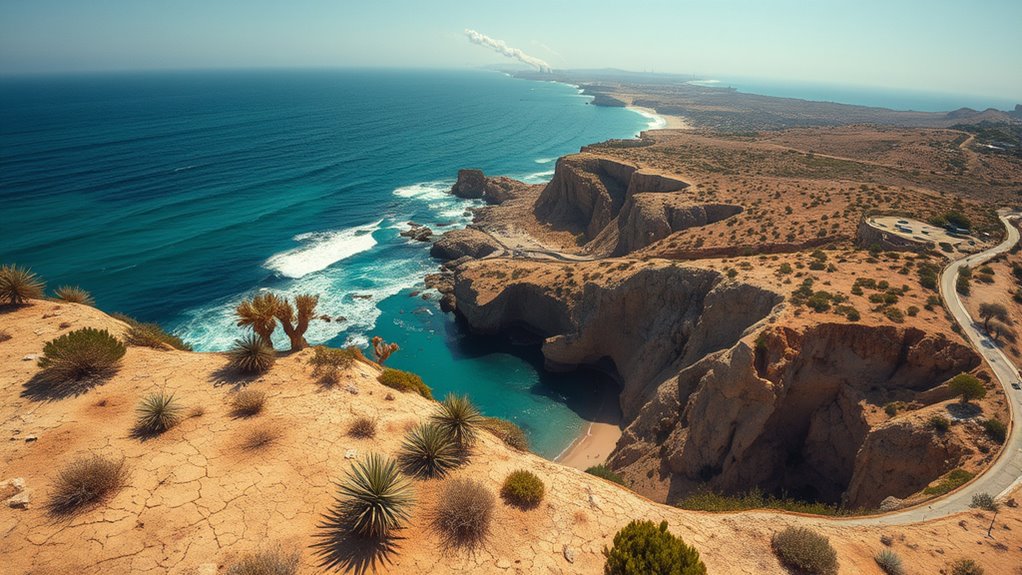

Sardinia faces serious environmental challenges like droughts, water shortages, and increasingly devastating wildfires that threaten ecosystems and local communities. Coastal erosion and rising sea levels risk coastal beauty and tourism, while efforts to expand renewable energy are slowed by policy hurdles. Community initiatives and conservation projects aim to protect cultural sites and habitats, but ecological and economic stability remain at risk if these issues persist. To understand how Sardinia manages these crises and plans for the future, stay with us.
Key Takeaways
- Water scarcity worsens due to declining reservoir levels, droughts, and increased demand, threatening ecosystems, agriculture, and local communities.
- Coastal erosion and sea-level rise threaten beaches, marine habitats, and tourism infrastructure, risking economic decline.
- Widespread wildfires, fueled by climate change and inadequate forest management, cause habitat destruction and ecological damage.
- Strict land protections and bureaucratic barriers hinder renewable energy development, limiting progress toward sustainable, low-carbon solutions.
- Rising sea temperatures and invasive species threaten marine biodiversity, coral reefs, and seagrass meadows, impacting ecological resilience.
The Impact of Drought and Water Scarcity
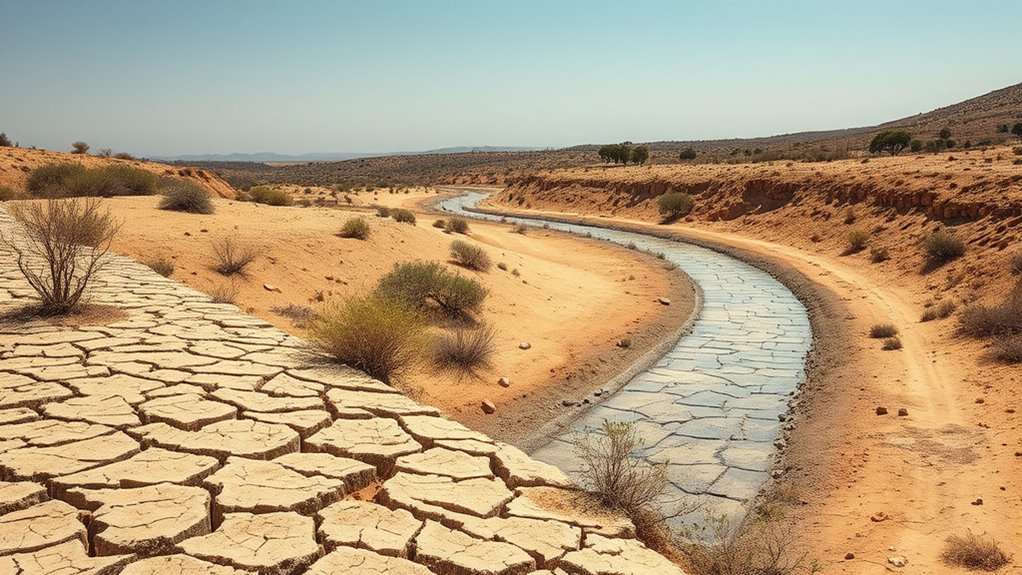
Have you ever wondered how climate change can turn a region’s landscape into a parched wasteland? In Sardinia, it’s happening fast. The increased likelihood of extreme drought, driven by persistent heat and little rainfall, has devastated the land. Reservoir levels have plummeted from 62% to just 44% of capacity in a year, and current water stores could run dry in less than a year if no measures are taken. Rising temperatures alter the water cycle, leading to increased evaporation and further drying of soils. As water availability declines, water management practices become more critical to prevent crises. Daily water demand exceeds 3.5 million cubic meters, pushing supplies to the brink. Water shortages lead to rationing, affecting households, agriculture, and livestock. Wildfires fueled by dry conditions destroy farmland and forests. The island’s aging infrastructure struggles to manage this crisis, forcing authorities to declare emergencies and seek urgent solutions.
Threats to Coastal and Marine Ecosystems
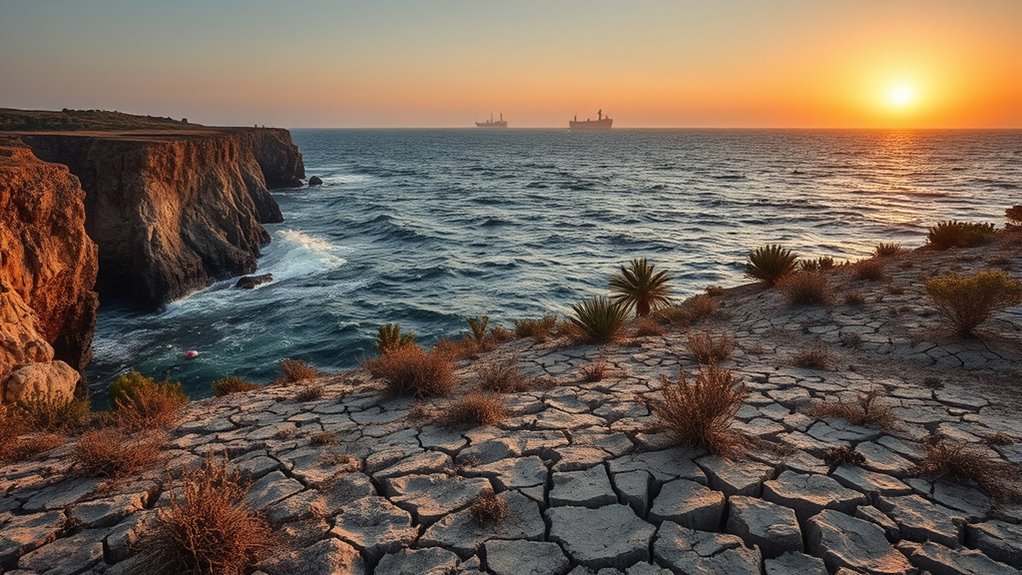
Did you know that Sardinia’s coastlines are under increasing threat from rising sea levels and intense storms? By 2100, sea levels could rise between 0.5 to 1.2 meters, risking the loss of many beaches. Here’s what’s happening:
- Coastal erosion is shrinking iconic beaches like Poetto and La Pelosa, threatening tourism.
- Marine species face habitat loss, with warming seas encouraging invasive species that disrupt ecosystems.
- Overfishing and habitat degradation threaten marine biodiversity, despite Marine Protected Areas like Capo Caccia.
- Coastal wetlands in the Gulf of Oristano are vulnerable to storms and floods, impacting natural water retention.
These threats jeopardize Sardinia’s rich marine life and local economy, urging urgent conservation and adaptation efforts.
Challenges in Transitioning to Renewable Energy
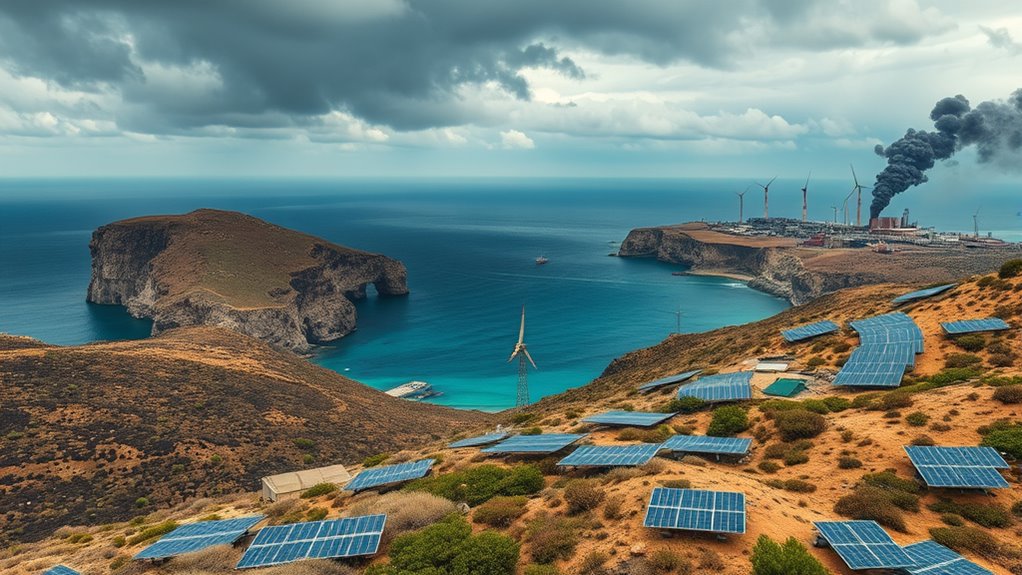
Sardinia faces significant hurdles in expanding its renewable energy capacity, despite the urgent need to reduce reliance on fossil fuels and combat climate change. A recent 18-month moratorium on new projects limits growth and creates uncertainty. Only 1% of the land is suitable for renewable installations due to strict landscape protections, further restricting development. Conflicting policies between regional and national governments slow approval processes, while local protests, like “Pratobello 24,” oppose large-scale projects over environmental and land concerns. Bureaucratic delays and unclear legal frameworks discourage investors, hampering progress. Currently, Sardinia’s 3.6 GW of renewables fall short of the 6.2 GW target for 2030. Over 770 project requests for 52 GW highlight capacity bottlenecks, risking failure to meet climate goals. Legal and regulatory challenges threaten to further delay or block key projects, making it difficult for Sardinia to meet its mid-term renewable targets. Additionally, permitting processes remain complex and unpredictable, further discouraging potential investors and project developers.
Regional Policies and Local Initiatives for Sustainability
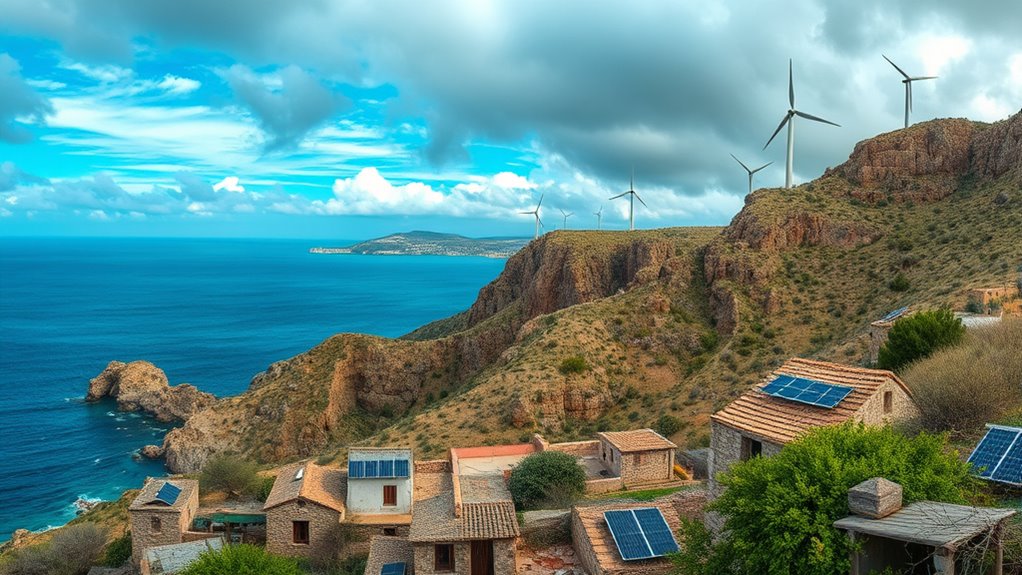
You can see how Sardinia’s regional policies support local renewable projects and community-led sustainability efforts. These initiatives encourage residents and local organizations to participate actively in environmental solutions. By working together, they help guarantee that sustainability becomes a shared regional priority. Moreover, the region’s recent legal framework emphasizes community involvement through simplified authorization processes and incentivizes energy communities to foster grassroots participation. Additionally, fostering public awareness is crucial for ensuring long-term environmental success and community engagement.
Local Renewable Projects
Regional policies and local initiatives play a crucial role in shaping Sardinia’s renewable energy landscape, despite facing significant constraints. You’ll find that many projects aim to boost capacity, but restrictions slow progress. Here’s what’s happening:
- Several projects, like agrivoltaics and wind farms, are under review, with some facing approval setbacks.
- Despite proposals totaling nearly 57 GW—far exceeding targets—regulatory hurdles limit realization.
- Local efforts like onshore wind and biogas trials aim to stabilize intermittent supply and expand renewables.
- Community-led initiatives face legal and environmental scrutiny, affecting project pace and success.
- The implementation of renewable energy technologies like solar and wind must also address environmental impact assessments to ensure sustainability.
These initiatives show promise but must navigate complex regulations and landscape concerns to meet Sardinia’s 2030 renewable goals.
Community-Led Sustainability
Community-led sustainability initiatives are gaining momentum across Sardinia as local populations seek to shape their energy future. Regional policies now focus on decentralized energy models, empowering communities through legislation that supports ownership and governance of renewable systems. Funding programs help with feasibility studies and small projects involving locals, fostering participation. Municipalities oppose large-scale projects threatening landscapes, like the widespread resistance seen with petitions such as “Pratobello 24.” Local energy cooperatives, like those in Villanovaforru and Ussaramanna, produce solar power, increasing self-sufficiency and economic benefits. Regional authorities promote sustainable tourism, integrating environmental and cultural preservation. These efforts are aligned through coordination mechanisms, ensuring community interests shape Sardinia’s sustainable development. Recognizing the importance of coastal erosion control is essential for preserving the beaches that support both local ecosystems and tourism.
Wildfires and Forest Health Concerns
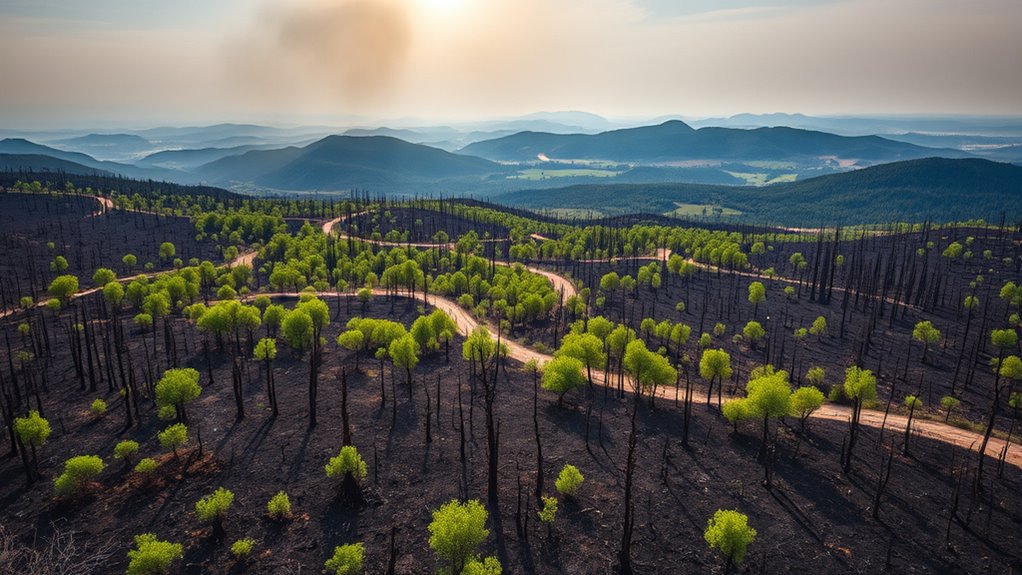
Wildfires in Sardinia occur with alarming frequency and scale, threatening the island’s forests and ecosystems. Each year, about 2,500 wildfires burn roughly 17,000 hectares, with 2025 seeing over 18,600 hectares burned—more than double the 20-year average. These fires strike across both northern and southern regions, often involving multiple simultaneous outbreaks. The island’s diverse topography and vegetation make it especially susceptible to rapid fire spread. You should know that weather plays a pivotal role: extreme heat, droughts, and heatwaves fuel these fires, making conditions worse each year. Only two-thirds of Sardinian forests are actively managed, leaving a third vulnerable to severe damage. Human activity, including arson, accounts for 60% of fires, exacerbating ecological harm. Burn scars damage habitat, reduce biodiversity, and threaten long-term forest resilience, emphasizing the importance of forest management practices to mitigate these impacts.
Socioeconomic and Cultural Consequences of Environmental Change
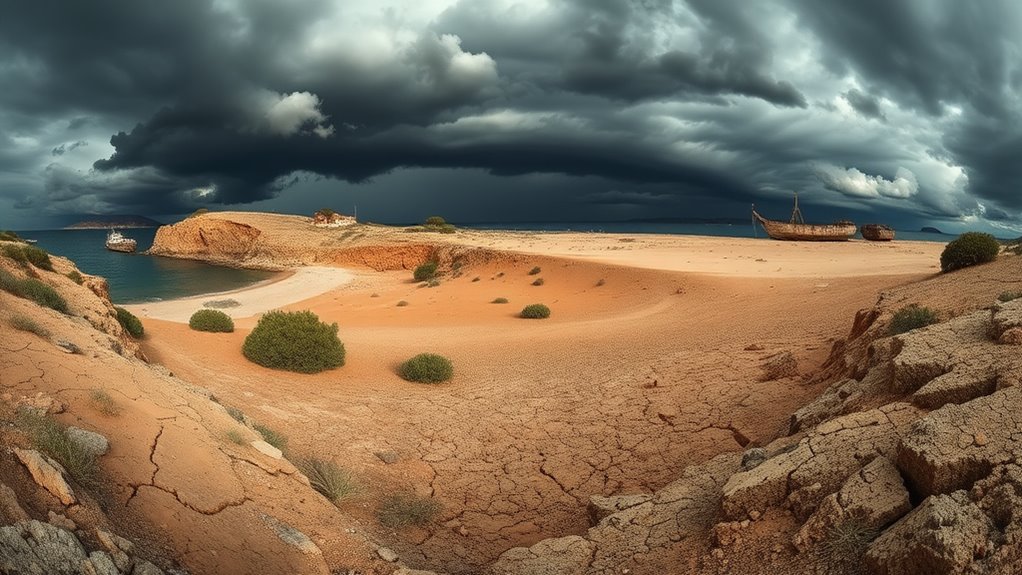
Environmental changes in Sardinia are reshaping its socioeconomic landscape and cultural fabric. Coastal erosion and rising sea levels threaten tourism, potentially reducing employment by 18% and shrinking local income and GDP. Agriculture faces land loss, increasing rural unemployment, while flooding and desertification strain farming and fisheries. These impacts could cost tens of millions of euros, prompting a push toward bio and green economies for sustainability. Migration triggered by environmental degradation alters population distribution, deepening urban-rural divides and stressing infrastructure. Cultural heritage sites, like Nora, face erosion and damage, risking loss of history and identity. Vulnerable communities, especially rural and marginalized groups, experience heightened poverty and social tension. These changes threaten community stability, challenge social cohesion, and demand adaptive strategies to preserve Sardinia’s socioeconomic and cultural integrity. Climate change has caused a 2.7% decrease in Arctic sea ice per decade since 1978, which underscores the urgency of addressing environmental challenges affecting Sardinia. Additionally, the climate impact on sea levels directly influences coastal erosion processes, further accelerating the degradation of vital ecosystems and infrastructure.
The Role of Community Engagement in Environmental Preservation
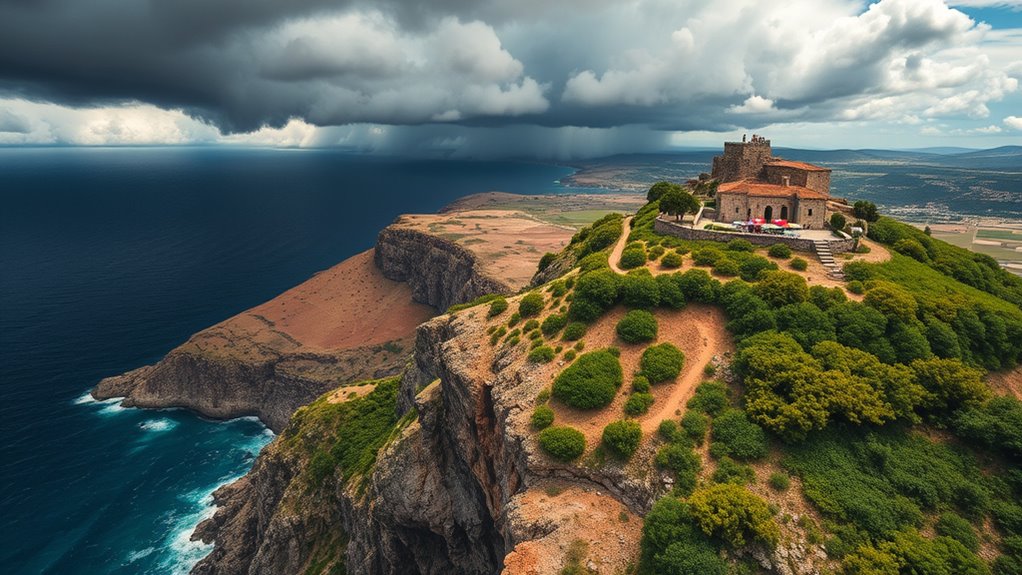
You play a crucial role in Sardinia’s environmental preservation by working with local stakeholders who share a commitment to safeguarding natural resources. Their collaboration helps maintain cultural heritage while promoting sustainable practices that benefit the entire community. Sardinia demonstrates increasing environmental sensitivity and innovative production models, contributing to regional sustainability. Engaging in community-based initiatives enhances collective efforts toward environmental resilience and sustainability. Together, your efforts can create lasting change for Sardinia’s environment and its unique traditions.
Local Stakeholder Collaboration
How does community engagement shape environmental preservation in Sardinia? It creates a powerful network of local stakeholders actively working to protect natural resources. By uniting efforts, you can leverage diverse skills and perspectives for greater impact. For example:
- Sardinian companies formed the MEDSEA “Blue Community,” sharing sustainability models to safeguard the sea.
- Villanovaforru and Ussaramanna established local energy communities, producing renewable energy and empowering residents.
- Local groups participate in coastal erosion mitigation by restoring dunes and wetlands, and supporting artificial defenses.
- Movements like Pratobello 24 advocate for community involvement in wind power projects, balancing ecological and social needs.
– The bureaucratic process often delays renewable projects by about 7 years, underscoring the importance of community-led efforts to navigate complex approval procedures. Additionally, fostering public awareness is crucial for ensuring ongoing community support and effective environmental initiatives.
Together, these collaborations foster awareness, drive action, and guarantee local voices shape Sardinia’s environmental future.
Cultural Heritage Preservation
Community engagement plays a crucial role in preserving Sardinia’s cultural heritage by actively involving residents and visitors in safeguarding archaeological sites and traditions. Educational programs, like those at Su Nuraxi di Barumini, increase awareness of preservation needs. Exhibitions such as the Centro di Ricerca e Conservazione showcase restoration work, fostering appreciation. Guided interpretive tours educate visitors on site significance, reducing damage from tourism. Workshops teach sustainable practices, boosting community involvement. Volunteer programs allow locals to participate in artifact care and monitoring, fostering ownership. Traditional knowledge informs preservation strategies, ensuring cultural continuity. Technologies like NuraghEO, combined with community reports, enable real-time site monitoring. This collective effort strengthens protection, ensuring Sardinia’s cultural heritage endures for future generations. The site at Barumini was extended and reinforced in the 1st millennium BCE under Carthaginian influence, emphasizing the importance of community participation in maintaining its structural integrity over centuries. Additionally, fostering a sense of community ownership encourages ongoing preservation efforts and sustainable management of cultural sites.
Balancing Development With Heritage Conservation
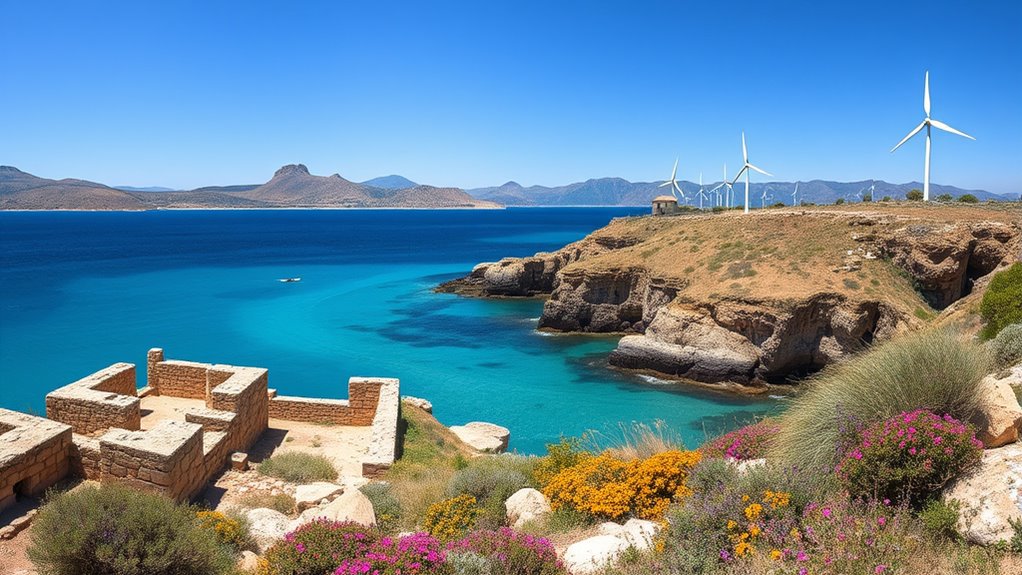
Balancing development with heritage conservation in Sardinia presents a complex challenge, as urban growth pressures often threaten the island’s valuable historic sites and landscapes. You face conflicts between laws permitting expansion and protective regulations intended to preserve cultural assets. Here are key issues:
- Regional laws like Law no. 4/2009 sometimes enable unauthorized modifications in historic centers, risking heritage loss.
- Municipal plans permit demolition or expansion in areas deemed lacking historic value, weakening conservation efforts.
- Urban planning tends to focus on morphology, often ignoring social and economic impacts on communities.
- Incentives like “Piano Casa” encourage volumetric increases, risking the character of historic zones.
- The landscape surrounding heritage sites is increasingly impacted by infrastructure projects, which can undermine the integrity of the cultural context as shown by recent developments.
To protect Sardinia’s heritage, you need innovative, balanced regulatory approaches that respect development needs without compromising cultural integrity.
Strategies for Building Climate Resilience in Sardinia
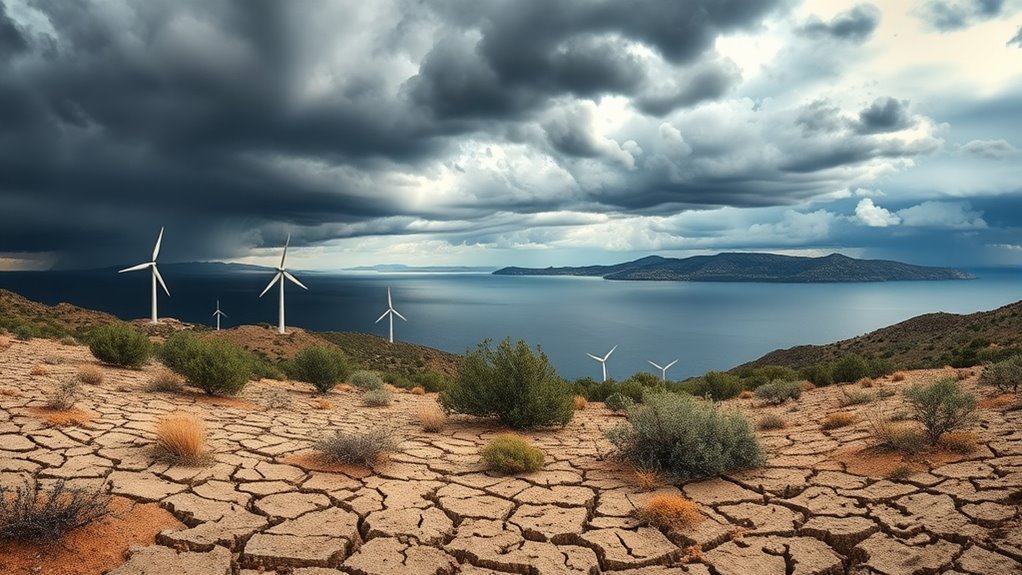
What strategic measures can Sardinia implement to effectively build climate resilience? You should prioritize early and proactive forest fire prevention by adopting the regional plan (2023-2025) and issuing fire risk bulletins earlier. Protect vulnerable woodland areas from rising temperatures, drought, and desiccation. For sustainable agricultural adaptation, support projects like ARSINOE that promote innovative farming, sustainable irrigation, and soil restoration to stabilize yields and reduce carbon footprints. Coastal resilience can be bolstered through nature-based solutions, involving multi-stakeholder efforts to conserve beaches and seagrass meadows. Marine reforestation initiatives, such as ARTEMIS, restore critical habitats like Posidonia oceanica, enhancing biodiversity and shoreline protection. Finally, invest in integrated early-warning systems, renewable energy solutions, and community engagement to guarantee long-term, adaptive responses to climate risks across land and sea.
Frequently Asked Questions
How Is Sardinia Managing Water Resources Amid Ongoing Droughts?
You see Sardinia struggles with water scarcity, especially during droughts. The region’s managing efforts include declaring a state of emergency, diverting water from irrigation to drinking supplies, and allocating emergency funds. They’re also modernizing infrastructure, building storage capacity, and focusing on smart water management. However, aging systems and cyclical droughts make it clear that long-term structural solutions are required to guarantee sustainable water use.
What Specific Measures Are Being Taken to Protect Sardinia’S Coastal Ecosystems?
You’re wondering what measures Sardinia’s taking to protect its precious coastlines. Sardinia shields shores by installing innovative, eco-friendly structures that stop erosion while educating communities on dune importance. It’s restoring resilient reefs and seagrass meadows with scientific support, safeguarding species and habitats. The island also employs smart moorings to minimize marine damage, manages protected areas, and maintains meticulous monitoring, making sure Sardinia’s stunning seascapes stay safe, sustainable, and splendid for generations to come.
How Will Sardinia Replace Coal Power With Renewable Energy Sources?
You’re wondering how Sardinia will replace coal power with renewables. The island aims to expand wind and solar projects, leveraging its favorable climate, but faces local resistance. Upgrading grid infrastructure, like the Tyrrhenian Link, is essential for better integration. Diversifying with energy storage and improving efficiency will help reduce reliance on coal, but overcoming opposition and securing funding remain key hurdles to a successful shift.
What Community-Led Initiatives Are Most Effective for Sustainability in Sardinia?
Did you know over 100,000 signatures oppose wind power speculation in Sardinia? That shows strong local engagement. You can see community-led initiatives like Renewable Energy Communities (RECs) and local solar projects as some of the most effective. These projects involve residents directly, foster collective decision-making, and use public funds to make renewable energy accessible. Your involvement and support are key to making these initiatives successful and driving sustainable change across Sardinia.
How Are Wildfire Prevention Strategies Integrated Into Local Land Management?
You can see wildfire prevention strategies are integrated into local land management through a mix of practices. Prescribed burning, grazing, and forestry thinning reduce fuel loads, while community campaigns raise awareness. Collaboration among agencies, local landowners, and stakeholders ensures coordinated efforts. Spatial risk assessments and innovative tools help target high-risk areas, making prevention more effective. This integrated approach balances wildfire mitigation with sustainable land use and ecosystem health.
Conclusion
You might think Sardinia’s stunning landscapes are invincible, but recent studies suggest its ecosystems are more fragile than they appear. By actively engaging in sustainable practices and supporting local initiatives, you can help protect this unique island. Remember, small actions like conserving water or advocating for renewable energy could be the key to building resilience. If you believe in the power of community, you truly hold the potential to safeguard Sardinia’s future for generations to come.