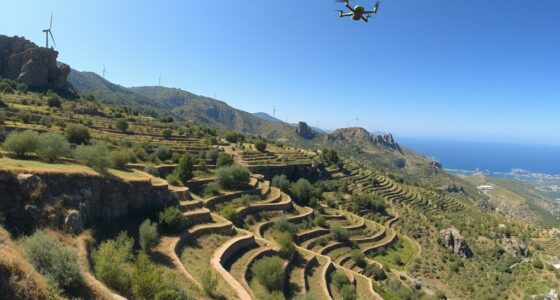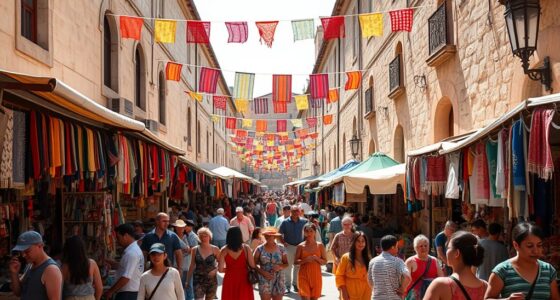
In Ittiri, you’ll find creative businesses blending Sardinian traditions with modern design. Artisans craft contemporary jewelry using intricate filigree techniques and revitalize ceramics with eco-friendly practices. You can explore handmade textiles dyed with natural plants or watch basket weaving come alive during lively festivals. These ventures promote cultural heritage while attracting visitors and markets worldwide. Stay with us to discover how these innovative efforts are shaping Ittiri’s vibrant craft scene.
Key Takeaways
- Traditional Sardinian craftsmanship is being integrated into modern fashion, jewelry, and ceramics markets.
- Handmade textiles and basket weaving use natural dyes, promoting eco-friendly practices and cultural preservation.
- Cultural events and festivals showcase artisan skills through live demonstrations and interactive experiences.
- Cross-cultural exchanges and international exhibitions elevate Sardinian crafts on a global stage.
- Creative businesses focus on heritage preservation, innovation, and direct artisan-to-consumer engagement to boost the local economy.
Harnessing Traditional Sardinian Embroidery for Modern Fashion
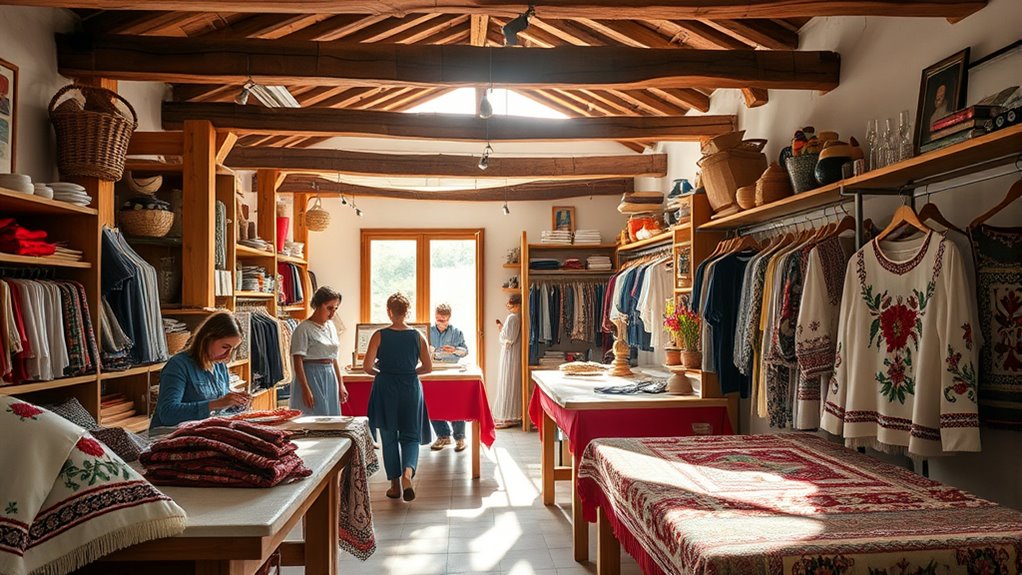
Have you ever wondered how ancient traditions can shape contemporary style? Modern fashion designers in Ittiri are doing just that by harnessing Sardinian embroidery’s rich heritage. They incorporate traditional techniques like Punt ‘e Nù, a delicate white-on-white knot stitch, into high-end clothing and accessories. These designers blend historical motifs with modern silhouettes, creating pieces that honor Sardinian culture while appealing to global markets. Pastel colors and luxurious fabrics, such as silk and fine cotton, add a contemporary twist. They also utilize techniques like pibiones to add texture and depth, elevating traditional embroidery to luxury fashion. This fusion not only preserves Sardinian craftsmanship but also transforms it into innovative designs, inspiring a new generation of artisans and making Sardinian embroidery a crucial element in today’s fashion scene.
Revitalizing Sardinian Ceramics Through Cultural Heritage
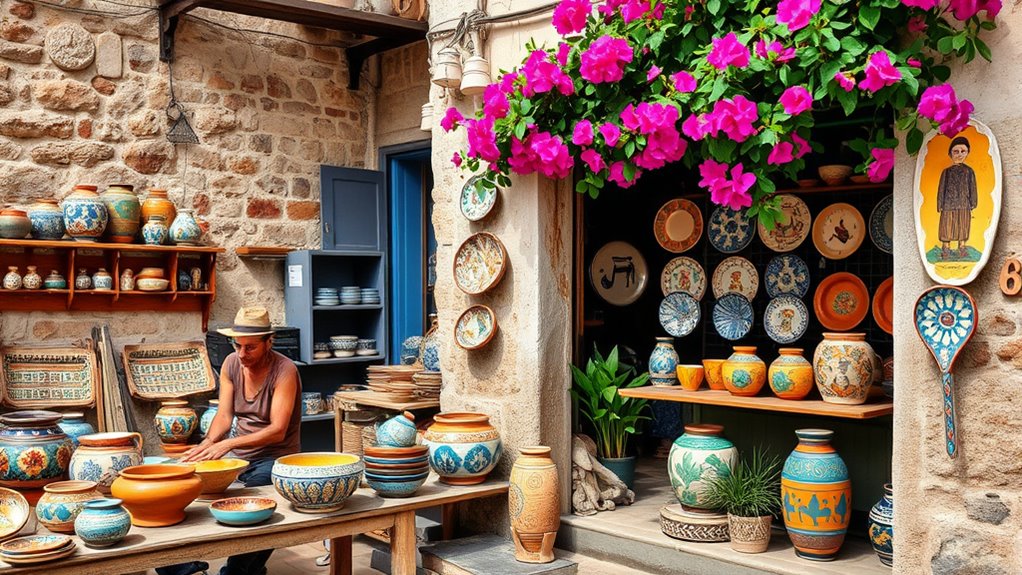
You can help revive Sardinian ceramics by supporting artisans who focus on traditional techniques like hand-building and wheel-throwing. Incorporating modern designs allows these crafts to appeal to contemporary tastes while honoring their cultural roots. This blend of old and new keeps Sardinian ceramics relevant and vibrant in today’s market. Embracing creative practice can foster innovation within these traditional crafts, ensuring their continued relevance and appeal.
Traditional Techniques Revival
The revival of traditional Sardinian ceramic techniques in Ittiri reflects a deep commitment to preserving cultural heritage through craftsmanship. You’ll notice local artisans emphasizing the passing down of skills across generations, ensuring authentic craftsmanship endures. Although Ittiri isn’t widely known for ceramics, its cultural fabric supports these traditions, mainly inspired by ancient forms and motifs. Today’s ceramics are primarily decorative, featuring shapes and painted designs rooted in Sardinian history—like floral, animal, and star motifs that tell stories and reflect local beliefs. Artisans use natural clay and pigments, shaping pieces by hand and firing them in traditional kilns to preserve durability and color. Traditional techniques are often passed down orally and through apprenticeships, ensuring the preservation of authentic methods. This revival not only safeguards a centuries-old craft but also boosts local identity and cultural tourism, connecting past techniques with contemporary appreciation. Additionally, the use of natural materials emphasizes sustainability and environmental consciousness in the craft.
Modern Design Integration
Modern design in Sardinian ceramics seamlessly blends traditional craftsmanship with contemporary aesthetics, creating a fresh visual language rooted in cultural heritage. You’ll see projects like Mustras, which fuse artisanal crafts with minimalist styles, resulting in products like baskets, tapestries, and pottery that reflect Sardinia’s identity. Local natural materials, such as recycled glass mosaics and sustainably sourced clay, support eco-friendly practices, making each piece a cultural narrative of continuity. These modern ceramics emphasize handcrafted quality and reinterpret heritage motifs through sleek, modern forms. Architectural spaces incorporate Sardinian ceramics to enhance authenticity, blending historic stone with contemporary materials. Inspired by brutalist and minimalist trends, designers shape ceramics into sculptural, functional elements that harmonize with natural landscapes, revitalizing Sardinian craft with innovation and sustainability. The use of high-quality, sustainable materials like recycled glass further underscores the commitment to eco-friendly practices and enhances the durability of these modern pieces. Additionally, the integration of modern manufacturing techniques allows for precise detailing and innovative forms that honor tradition while embracing innovation.
Crafting Jewelry With Sardinian Filigree Techniques

Crafting jewelry with Sardinian filigree techniques involves a meticulous process of shaping and weaving fine metal wires into intricate, lace-like patterns. You twist and shape tiny wires, often silver or gold, into decorative designs that showcase exceptional craftsmanship. The openwork method micro-solders twisted wires onto a delicate frame, creating lightweight, fabric-like jewelry. Alternatively, the closed technique attaches filigree to a solid base for added durability. WWE Raw’s financial impact highlights how traditional craftsmanship can achieve significant economic influence when scaled properly.
Promoting Handmade Textiles With Natural Dyes
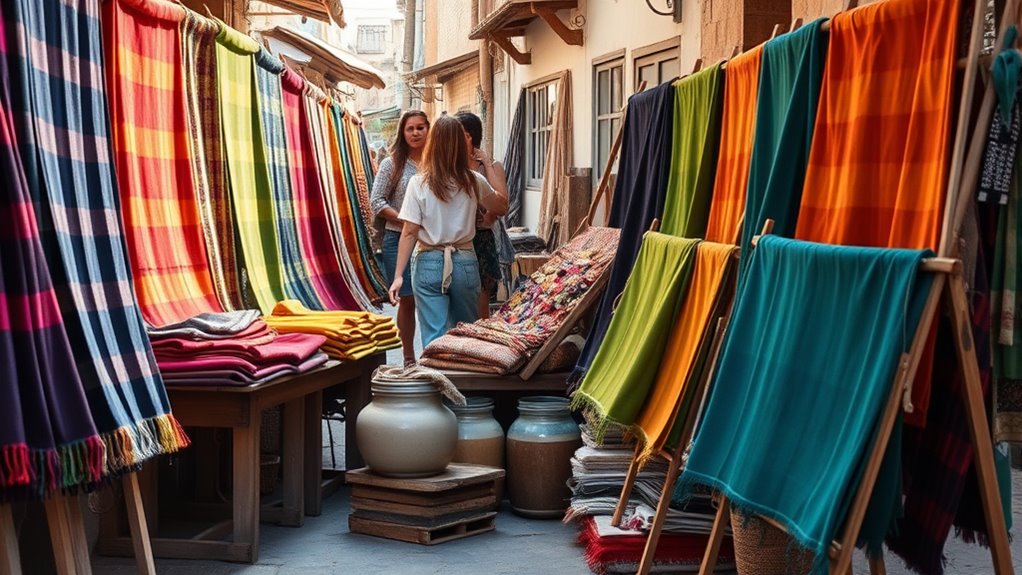
Handmade textiles in Ittiri come alive through vibrant natural dyes derived from local plants and resources, reconnecting artisans with ancient techniques. You’ll notice how artisans extract these dyes using traditional procedures from indigenous plants, creating rich, lasting colors that symbolize Sardinian culture. Promoting natural dyeing not only highlights the region’s craftsmanship but also supports eco-friendly practices and sustainable development. These naturally dyed textiles carry cultural symbolism and attract tourists seeking authentic Sardinian experiences. By emphasizing the use of local materials like wool, cotton, and linen, artisans preserve their heritage while boosting the local economy. Festivals such as “Prendas de Ittiri” showcase these vibrant, hand-dyed textiles, elevating their visibility and helping artisans thrive in a competitive market. natural dyeing techniques are often passed down through generations, ensuring the preservation of traditional knowledge and skills.
Developing Contemporary Basket Weaving Artisanship
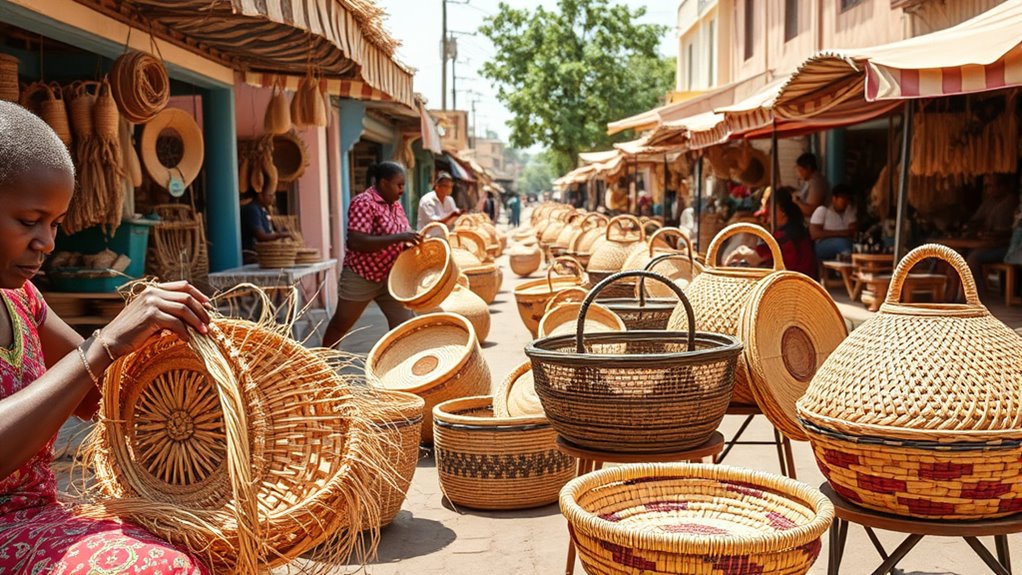
Developing contemporary basket weaving artisanship in Ittiri involves blending age-old techniques with innovative design approaches to meet today’s aesthetic and functional demands. You’ll find artisans using traditional methods like the spiral weaving technique, combined with modern materials such as colorful taffeta, wool, and damask. They harvest raw materials seasonally, ensuring quality and sustainability, and incorporate geometric, floral,, and faunal motifs for decorative appeal. The use of seasonal harvesting aligns with traditional practices that ensure the quality of raw materials. Younger artisans are reviving the craft by mixing traditional fibers with new elements, creating pieces that appeal to contemporary markets. Women, as the primary custodians, continue to showcase their artistry, emphasizing handcrafted originality. This fusion of tradition and innovation sustains the craft economically while preserving Sardinian cultural identity, making basket weaving not just a functional skill but a vibrant form of artistic expression.
Leveraging Festivals to Showcase and Sell Local Crafts
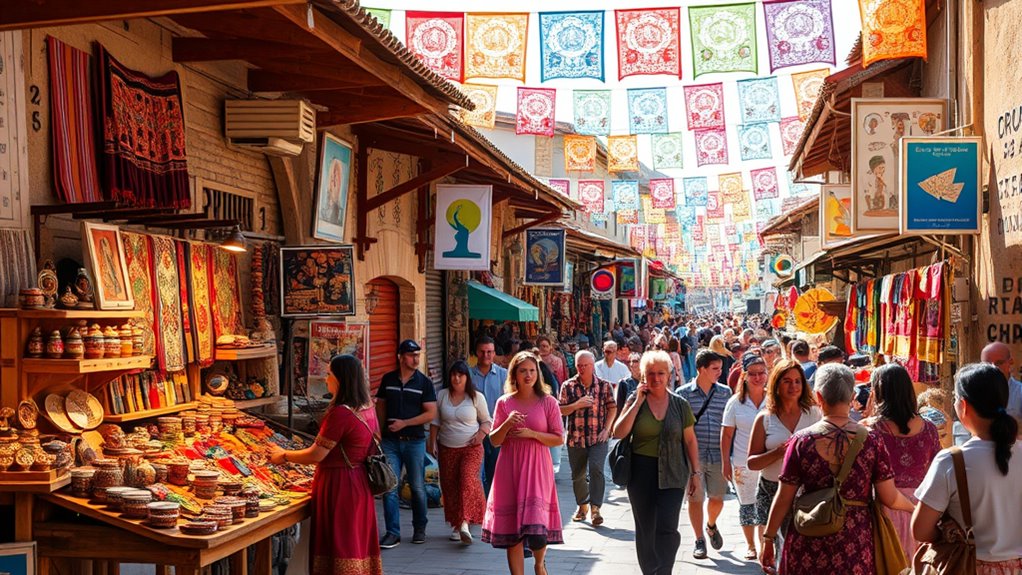
Festival booths and stalls give you direct access to a diverse audience enthusiastic to buy local crafts, making them essential for sales. Live demonstrations attract visitors and showcase your skills, creating memorable experiences that boost interest. Cultural exchange events foster connections with other artisans and visitors, expanding your network and opening new markets. Ittiri’s rich cultural heritage and thriving craft traditions further enhance these opportunities by drawing visitors who appreciate authentic local artistry. Incorporating air purification technology at your booth can also improve the comfort and air quality for both artisans and visitors, encouraging longer stays and more sales.
Festival Booths and Stalls
Leveraging festivals in Ittiri offers a powerful platform for artisans to showcase their local crafts and connect directly with visitors. Festival booths are strategically placed in historic town centers, near Art Nouveau buildings and trachyte sculptures, creating a rich cultural atmosphere. Here, vendors display textiles, traditional garments, trachyte stone products, and artisan foods like cheese and sweets, highlighting regional heritage. These stalls attract diverse audiences and benefit from high foot traffic, helping artisans boost sales and build their brands. They also serve as testing grounds for new designs, supporting innovation within traditional crafts. Organized by local associations, booths focus on authenticity and quality, often featuring limited editions or festival-exclusive items. This setup not only promotes craft preservation but also energizes the local economy through direct artisan-to-consumer interactions. Incorporating self watering plant pots into festival displays can enhance the presentation of living crafts, making exhibits more sustainable and attractive to visitors.
Live Demonstration Events
Live demonstration events turn festival spaces into dynamic showcases of traditional crafts, drawing visitors into hands-on experiences. As you watch artisans weave, carve, or shape pottery, you connect directly with cultural heritage. These live demos often include interactive elements, letting you try skills under expert guidance, deepening your understanding and appreciation. Timing demonstrations alongside folk music and dance keeps the energy flowing, making the event lively and engaging. For artisans, these demos boost sales during and after the event, expanding their reach to diverse audiences. They also serve as informal workshops that educate visitors about craft origins and techniques, encouraging demand for authentic, handmade products. Incorporating cultural preservation into these demonstrations helps ensure that traditional skills and stories are passed down to future generations. Supported by festival organizers, these demonstrations foster cultural preservation and create memorable, meaningful experiences for everyone involved.
Cultural Exchange Opportunities
How can cultural exchange at Ittiri Folk Festa enhance both local craft visibility and international appreciation? By showcasing Sardinian and global folk art side by side, you create a vibrant platform for artisans to connect with diverse audiences. This interaction fosters cross-cultural understanding and elevates the profile of local crafts. With exhibitions, markets, and performances across multiple venues, you’re exposing visitors to authentic traditions and contemporary innovations. This exchange not only boosts sales but also encourages future collaborations, helping crafts thrive economically and culturally. Additionally, the festival’s international scope attracts visitors from various countries, broadening markets and fostering a global appreciation for Sardinian craftsmanship throughout Europe and beyond. Incorporating cookie consent management ensures that the event’s digital platforms respect visitor privacy and comply with privacy regulations, building trust and encouraging participation.
Frequently Asked Questions
How Can Local Artisans Access Funding for Creative Startup Initiatives?
You can access funding for your creative startup by exploring government grants and relocation incentives, like Sardinia’s €45 million fund, which offers up to €15,000 for home-related costs. Join artist residencies such as Nocefresca to build networks and gain exposure. Connect with local cooperatives to share resources, access EU funds, and participate in sector-specific programs. Additionally, seek support from professional organizations, municipal incentives, crowdfunding, and regional development initiatives to fund your project.
What Training Programs Are Available to Learn Traditional Sardinian Crafts?
Teaching and training in traditional Sardinian crafts offer a treasure trove of techniques. You can join workshops on Sardinian basket weaving, where local artisans guide you through natural fiber creation. Ceramic courses teach clay shaping, glazing, and motifs, while weaving and textile dyeing classes cover wool processing and natural dyeing. These programs provide hands-on learning, heritage insight, and cultural connection, helping you master age-old arts with expert instruction and authentic materials.
How Can Digital Platforms Effectively Promote Ittiri’S Creative Industries?
To effectively promote Ittiri’s creative industries, you should leverage digital platforms by showcasing local art, crafts, and culture through engaging social media content. Use targeted online ads to reach niche markets interested in Sardinian heritage, collaborate with influencers, and host virtual events to attract global audiences. Incorporate e-commerce solutions for market expansion, and utilize data analytics to refine your strategies, ensuring your promotion resonates locally and internationally.
What Partnerships Exist Between Artisans and Tourism Sectors in Ittiri?
You should know that artisans and the tourism sector in Ittiri collaborate closely through events like “Monumenti Aperti” and regional initiatives. These partnerships showcase local crafts at cultural sites, promote hands-on workshops, and develop craft tours that attract visitors. Such collaborations help preserve traditions, boost local economy, and create authentic experiences, making Ittiri a vibrant destination where artisans and tourism work together to celebrate Sardinian culture.
How Are Community Members Involved in Shaping New Creative Business Ventures?
You’re actively involved in shaping new creative business ventures by participating in community workshops and skill-sharing events. Your feedback helps tailor activities to local interests, fostering a sense of ownership. You also support and promote these initiatives through social media and word-of-mouth, encouraging others to join. Attending festivals, volunteering at events, and collaborating with local entrepreneurs strengthen the community’s creative spirit, ensuring new ventures reflect your shared values and cultural identity.
Conclusion
By embracing these traditional crafts, you craft more than just products—you weave the very fabric of Sardinian culture into modern life. Each handmade piece tells a story, a vibrant thread in the island’s evolving tapestry. As you showcase your work at festivals and markets, remember: your creativity isn’t just art; it’s a powerful voice echoing Sardinia’s rich heritage into the future. Truly, your craft is the heartbeat of tradition and innovation combined.