
Protecting species and habitats is crucial to maintaining Earth’s health and ensuring a sustainable future for all. You can support efforts to conserve biodiversity by removing invasive species, planting native plants, and participating in community conservation projects. Healthy, resilient ecosystems provide essential services like clean air, water, and food, benefiting everyone. By taking these actions, you help preserve natural resources for future generations. If you continue exploring, you’ll discover more ways to make a positive impact.
Key Takeaways
- Protecting habitats and native species preserves biodiversity and supports ecosystem stability.
- Managing invasive species prevents resource competition and habitat disruption for native plants and animals.
- Restoring native vegetation enhances habitat quality and resilience against environmental disturbances.
- Supporting conservation efforts and community initiatives promotes biodiversity and ecosystem health.
- Biodiversity conservation ensures ecosystem services vital for human well-being, such as pollination and water purification.
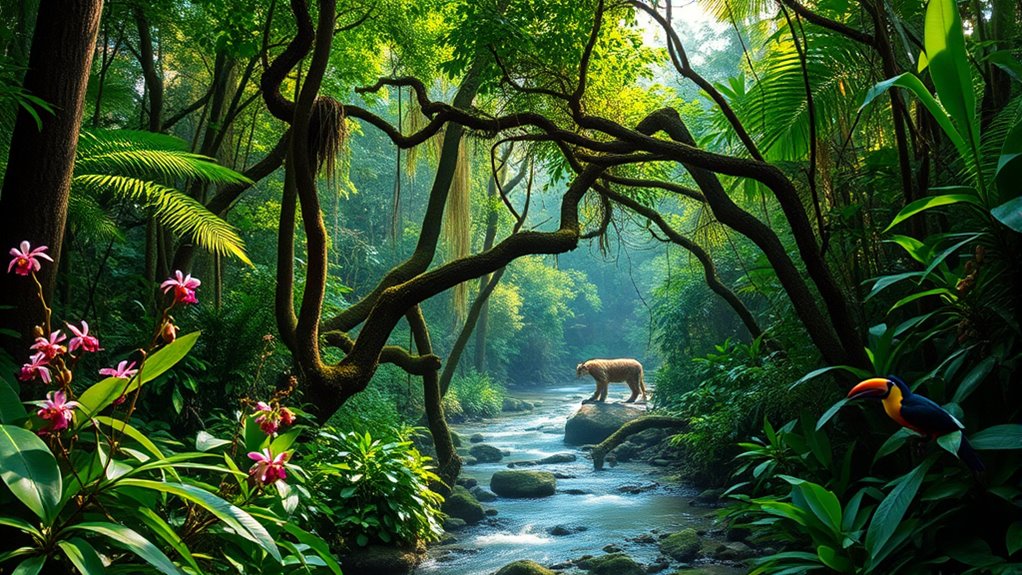
Have you ever wondered why preserving Earth’s diverse ecosystems matters? It’s because healthy ecosystems are essential for maintaining the balance of life on our planet. When ecosystems are resilient, they can recover from disturbances like storms, droughts, or human activities more quickly and effectively. This resilience ensures that species thrive, water quality stays high, and air remains clean. But this delicate balance is under threat from various factors, especially invasive species. Managing these species becomes critical to protect native plants and animals that have evolved to fit their specific environments. Invasive species can outcompete native species for resources, disrupt food chains, and even introduce new diseases. If left unchecked, they weaken ecosystem resilience, making habitats more vulnerable to collapse. That’s why invasive species management is a top priority in biodiversity conservation efforts. You can play an active role by supporting initiatives that focus on controlling or eradicating invasive species in your area. This could include participating in volunteer programs or advocating for policies that promote invasive species removal. Such efforts help restore native biodiversity and stabilize ecosystems, ensuring they continue providing essential services like pollination, water filtration, and carbon storage. Protecting habitats isn’t just about saving individual species; it’s about maintaining the complex web of life that sustains us all. When ecosystems are healthy and resilient, they can better withstand the impacts of climate change and human development. Additionally, fostering biodiversity through conservation efforts enhances ecosystem resilience and health. You might also consider supporting organizations dedicated to habitat restoration and invasive species management. These groups often work on the ground, removing invasive plants, restoring native vegetation, and monitoring the health of ecosystems. Small actions, like planting native species in your garden or avoiding the spread of non-native plants and animals, can contribute greatly to local biodiversity. It’s important to remember that every effort counts in maintaining ecosystem resilience. When ecosystems are resilient, they continue to provide critical resources and benefits for future generations. Your awareness and involvement can make a real difference. As stewards of the planet, we all have a responsibility to protect the natural habitats and species that make Earth unique. By understanding the importance of ecosystem resilience and actively supporting invasive species management, you help ensure that biodiversity endures and that our planet remains a vibrant, balanced place for all forms of life.
Frequently Asked Questions
How Do Invasive Species Affect Local Biodiversity?
Invasive species disrupt local biodiversity by outcompeting native species for resources, which affects the ecological balance. You might notice native plants and animals decline as invasive species establish dominance, leading to reduced biodiversity. These introduced species often lack natural predators, allowing them to spread rapidly. As a result, the delicate ecological balance is compromised, threatening the survival of native species and altering the natural habitats you value.
What Role Do Indigenous Communities Play in Conservation?
Think of indigenous communities as the roots of a thriving forest—they hold invaluable knowledge. Your role in conservation is crucial, as indigenous practices and community-led conservation efforts protect ecosystems from harm. For example, many communities use traditional fire management to prevent wildfires. By supporting and respecting their insights, you help sustain biodiversity, ensuring these natural treasures endure for generations to come.
How Can Urban Areas Contribute to Biodiversity Protection?
You can enhance biodiversity protection in urban areas through thoughtful urban planning and green infrastructure. By integrating parks, green roofs, and wetlands into city designs, you create habitats that support diverse species. Promoting native plants and establishing wildlife corridors helps connect fragmented habitats. These strategies not only boost urban biodiversity but also improve air quality, reduce heat, and foster community well-being, making cities healthier and more resilient for all inhabitants.
What Are the Economic Benefits of Conserving Biodiversity?
You benefit economically from conserving biodiversity through ecosystem services like clean air, water, and pollination, which support agriculture and reduce costs. Additionally, sustainable tourism attracts visitors enthusiastic to experience natural habitats, boosting local economies. Protecting biodiversity ensures these services continue, providing long-term financial stability. By investing in conservation, you help maintain healthy ecosystems that sustain livelihoods and foster economic growth while promoting environmental balance.
How Is Climate Change Impacting Species Habitats Globally?
Imagine your favorite forest slowly fading as climate change acts like a relentless tide. Climate-induced habitat shifts force species to relocate, struggle for food, or face extinction. Melting ice impacts polar bears and seals, shrinking their homes. You see, these changes threaten global biodiversity, disrupting ecosystems and endangering countless species, including those crucial for human survival. Climate change’s impacts are urgent, and your actions can help slow this destructive wave.
Conclusion
By protecting biodiversity, you’re safeguarding the Earth’s vibrant tapestry—each species a thread that holds our planet’s future together. Think of nature as a delicate clockwork; every creature and habitat is a gear essential for harmony. When you preserve these, you’re not just saving animals and plants—you’re nurturing hope, stability, and life itself. Remember, your actions are the key to revealing the enduring beauty and resilience of our shared home.