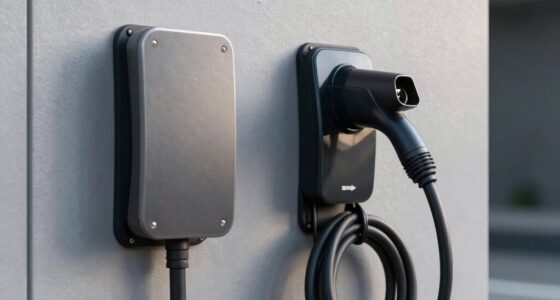
Next-generation nuclear microreactors are transforming energy by providing compact, safe, and sustainable power sources. They incorporate advanced technologies, like fusion principles, and focus on minimizing waste and environmental impact. These systems are factory-built for quick deployment and scalability, making them ideal for remote or urban areas. With safety features designed for easier waste handling and public acceptance, these innovations could redefine how we generate clean energy—continue exploring to see how this exciting technology develops.
Key Takeaways
- Microreactors leverage advanced designs for safe, reliable, and scalable small-scale nuclear energy production.
- Innovations reduce radioactive waste and enhance onboard waste reprocessing, improving environmental impact.
- Factory-built units enable rapid deployment in remote, urban, or military applications, lowering costs and construction times.
- Enhanced safety features and containment systems address public concerns and increase acceptance of nuclear power.
- Integration with fusion energy principles and renewed investments position microreactors as transformative for future energy systems.
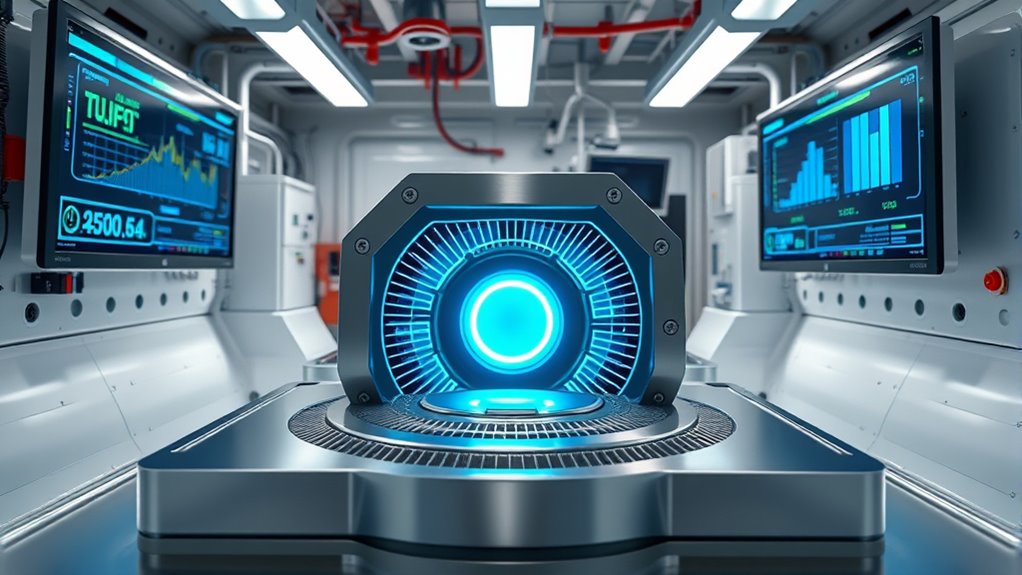
Next-generation nuclear microreactors are revolutionizing the way we think about small-scale, clean energy sources. These compact systems are designed to provide reliable power with minimal environmental impact, making them ideal for remote areas, military bases, and even urban settings. Unlike traditional nuclear reactors, microreactors emphasize safety, efficiency, and sustainability. Their innovative designs often incorporate advanced technologies like fusion energy principles, aiming to create even cleaner and more abundant power. Fusion energy, which mimics the processes fueling the sun, holds tremendous promise for future microreactors. It could deliver virtually limitless energy with minimal radioactive waste, transforming the energy landscape. While fusion energy is still under development, researchers are exploring ways to incorporate its concepts into microreactor designs, potentially leading to safer and more sustainable nuclear power.
One of the most significant advantages of these microreactors is their approach to nuclear waste management. Traditional nuclear reactors produce long-lived radioactive waste that poses storage and environmental challenges. Microreactors, however, are often engineered to produce less waste and facilitate easier waste handling. Some designs utilize fuel cycles that generate fewer byproducts, while others incorporate onboard waste reprocessing to reduce the volume of high-level waste. This focus on waste management not only addresses safety concerns but also enhances public acceptance of nuclear power. You’ll find that these systems are built with containment features that minimize the risk of leaks or accidents, further emphasizing their safety advantages. Additionally, advances in waste reprocessing technology can further improve the sustainability of microreactors by enabling more efficient recycling of nuclear material.
In addition to waste management, these microreactors are designed for simplicity and rapid deployment. They can be factory-built and transported to the site, reducing construction times and costs. Their small size means they can be scaled up or down based on energy needs, offering flexibility that traditional reactors cannot match. This adaptability makes them especially attractive for regions seeking to diversify their energy mix or reduce reliance on fossil fuels. With their potential for integration with renewable sources, microreactors could serve as a stable backbone for a resilient, low-carbon energy grid.
As the technology matures, you’ll see more investments and pilot projects showcasing their capabilities. The push toward fusion energy integration and improved nuclear waste management signifies a new era in nuclear power—one where safety, sustainability, and innovation come together. Microreactors are poised to become a crucial part of the clean energy future, transforming how we generate and think about electricity. Their rise is not just about smaller reactors; it’s about redefining the possibilities of nuclear energy for generations to come.
Top picks for "rise next generation"
Open Amazon search results for this keyword.
As an affiliate, we earn on qualifying purchases.
Frequently Asked Questions
How Do Microreactors Compare Economically to Traditional Reactors?
You’ll find microreactors more cost-efficient than traditional reactors due to their smaller size and simplified design, reducing construction and maintenance costs. They offer better market viability because they can be deployed quickly and in remote locations, meeting specific energy needs efficiently. Their modular nature allows for scalable power, making them attractive for diverse applications and potentially lowering overall energy expenses, giving them a competitive edge in the energy market.
What Are the Environmental Impacts of Deploying Microreactors Globally?
You’ll find microreactors have a smaller environmental footprint than traditional plants, producing less waste and requiring less land. Their clean energy helps preserve biodiversity by reducing greenhouse gas emissions. Deploying them globally can markedly cut reliance on fossil fuels, lowering air pollution and habitat destruction. However, careful management of radioactive materials is essential to prevent ecological harm, ensuring microreactors support sustainable energy development without compromising environmental health.
How Secure Are Microreactors Against Potential Sabotage or Cyber-Attacks?
Imagine your microreactor as a fortress, symbolizing safety and resilience. It’s highly secure against sabotage and cyber-attacks thanks to robust cybersecurity measures and physical security protocols. Advanced encryption, regular monitoring, and restricted access keep threats at bay. While no system is entirely invulnerable, these layers of protection markedly reduce risks, ensuring your microreactor remains safe, secure, and reliable in a complex threat landscape.
Can Microreactors Be Integrated Into Existing Power Grids Easily?
You can integrate microreactors into existing power grids, but it requires careful planning for grid integration and addressing logistical challenges. You’ll need to upgrade infrastructure, verify compatibility with current systems, and coordinate with grid operators. Although the process can be complex, microreactors’ small size and modular design make them adaptable, helping you overcome logistical hurdles and smoothly add this advanced technology to your energy mix.
What Are the Long-Term Waste Management Strategies for Microreactors?
Imagine a future where waste containment and recycling approaches turn nuclear waste into a resource. You’ll find long-term strategies focus on secure storage, often in underground repositories, and advanced recycling techniques that reduce waste volume and toxicity. These microreactors produce less waste overall, making management easier. By continuously improving waste containment and recycling, you can help guarantee safer, sustainable nuclear energy that minimizes environmental impact for generations to come.
Conclusion
You can see how next-generation nuclear microreactors hold great promise for a cleaner, more flexible energy future. By investigating their safety and efficiency, you can visualize a world where small, portable reactors power remote communities and reduce carbon emissions. This technology isn’t just a theory; it’s a tangible step toward sustainable energy. Embracing these innovations could revolutionize how you think about energy, making it safer, more reliable, and environmentally friendly.