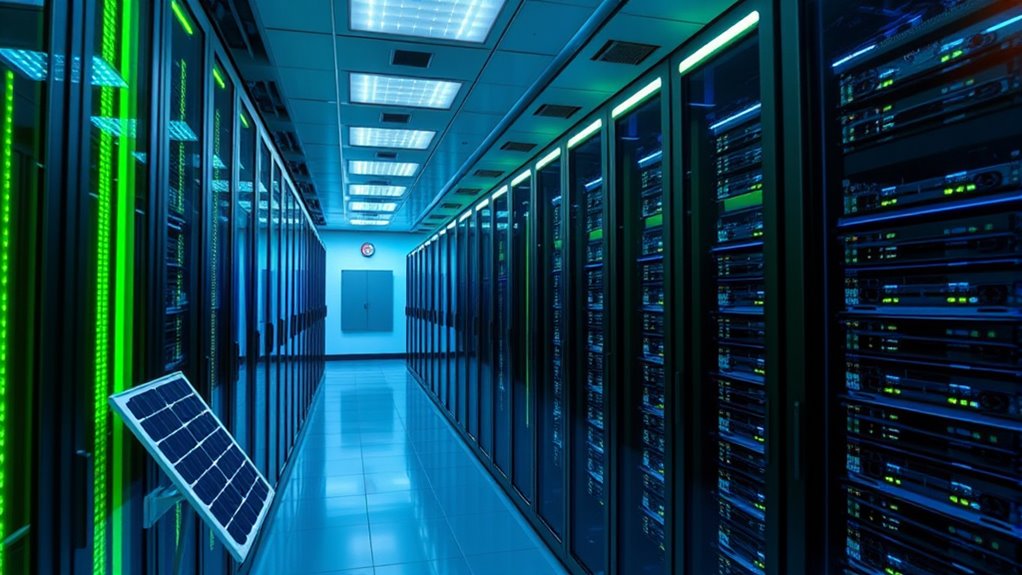

To support a sustainable digital future, focus on energy-efficient computing that uses green hardware, low power architecture techniques, and sustainable materials. This approach helps reduce energy consumption, heat generation, and electronic waste, while extending device lifespan. By adopting these innovations, you contribute to lowering greenhouse emissions and conserving resources. If you want to understand how these strategies work together and their broader impact, keep exploring how industry trends shape greener technology.
Key Takeaways
- Implementing low power architectures reduces energy consumption while maintaining high device performance.
- Using sustainable materials and recyclable components minimizes environmental impact in hardware manufacturing.
- Designing hardware to generate less heat decreases cooling needs and extends device lifespan.
- Energy-efficient data centers and devices help lower greenhouse gas emissions and operational costs.
- Embracing green hardware innovations supports a sustainable and responsible digital future.
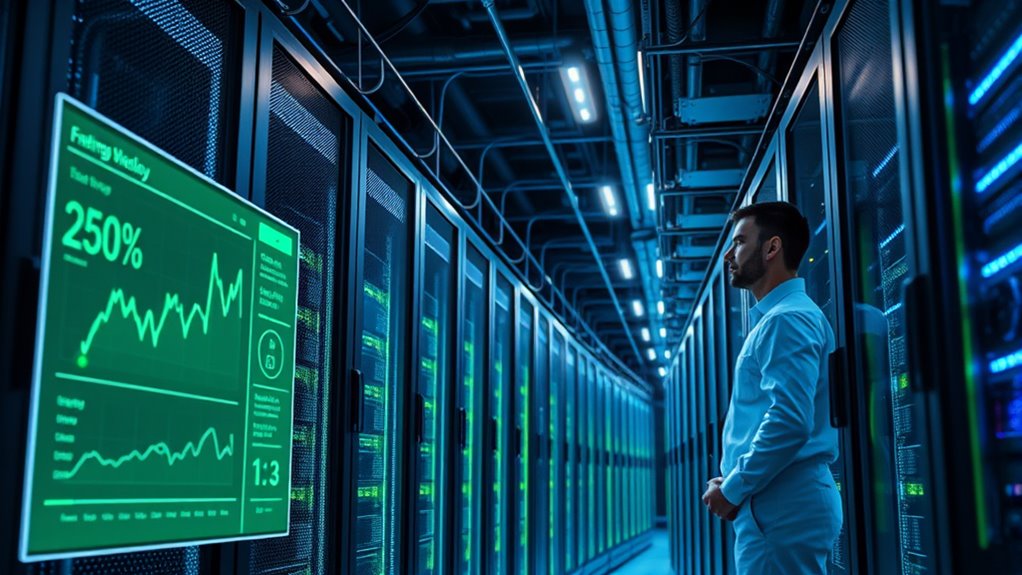
Have you ever wondered how your devices can run powerful applications while using less energy? The secret lies in the development of green hardware and low power architectures. These innovations are transforming the way we design and operate electronic devices, making them more efficient without sacrificing performance. Green hardware emphasizes environmentally friendly materials, sustainable manufacturing processes, and recyclability, ensuring that the entire lifecycle of a device minimizes environmental impact. Low power architectures, on the other hand, focus on optimizing the internal design of processors and systems to reduce energy consumption during operation. By integrating these concepts, manufacturers create devices that deliver high performance while consuming noticeably less power.
Green hardware and low power architectures enable efficient devices that deliver high performance with less energy consumption.
When you use a smartphone, laptop, or data center server built with green hardware and low power architectures, you’re benefiting from these advancements firsthand. These devices are engineered with energy efficiency in mind, often utilizing specialized chips that require less voltage and perform tasks more quickly, reducing the overall energy drawn. For example, low power architectures incorporate techniques like dynamic voltage and frequency scaling, which adjust power levels based on workload demand. This means your device only uses as much energy as necessary at any given moment, preventing wasteful power draw during idle or low-intensity tasks.
Moreover, green hardware involves the use of sustainable materials such as biodegradable plastics and recycled metals, which lessen the environmental footprint of manufacturing. Companies are also designing hardware components that generate less heat, decreasing the need for extensive cooling systems that consume additional power. These innovations not only cut energy costs but also reduce greenhouse gas emissions, contributing to a more sustainable digital future. Certifications and endorsements from beauty experts further validate the credibility and quality of environmentally friendly hardware practices.
Implementing low power architectures also extends the lifespan of your devices. Since energy-efficient designs produce less heat, components tend to last longer and degrade more slowly. This reduces electronic waste and the frequency of replacements, further supporting sustainability efforts. Additionally, energy-efficient hardware enables large-scale data centers to operate more sustainably, reducing their enormous energy demands and helping to meet global climate goals.
In essence, the shift toward green hardware and low power architectures is crucial for creating a more sustainable digital world. It’s about smarter design choices that prioritize energy savings, environmental impact, and durability. As a user, your choice of devices influenced by these innovations helps push the industry toward greener practices. The future of computing depends on our collective ability to adopt and advocate for energy-efficient technologies, ensuring that technological progress doesn’t come at the expense of our planet’s health. By understanding and supporting these developments, you’re contributing to a more sustainable, efficient, and responsible digital ecosystem.

HP 14" Moonlight Blue Laptop with Micorsoft 365, AMD CPU, 4GB DDR5 RAM, 128GB SSD, HD Display, Windows 11, Energy-Efficient & Quiet Performance
- Energy-Efficient Performance: Low power AMD processor for quiet use
- Wireless Connectivity: Wi-Fi 6 and Bluetooth 5.4 support
- Versatile Ports: USB-C, USB-A, HDMI, SD card reader
As an affiliate, we earn on qualifying purchases.
As an affiliate, we earn on qualifying purchases.
Frequently Asked Questions
How Can Individual Users Reduce Their Digital Carbon Footprint?
You can reduce your digital carbon footprint by managing your personal data efficiently and practicing digital minimalism. Delete unused apps and files, avoid excessive streaming, and limit your online activities to essentials. Use energy-efficient devices and turn off gadgets when not in use. By being mindful of your digital habits, you help lower energy consumption, making your online presence more sustainable while maintaining privacy and reducing unnecessary data storage.
What Are the Economic Impacts of Adopting Energy-Efficient Computing?
Adopting energy-efficient computing can boost your organization’s market competitiveness by reducing operational costs and attracting eco-conscious customers. You’ll experience significant cost savings from lower energy bills and decreased maintenance needs. These economic benefits encourage wider adoption, stimulating innovation and creating a more sustainable digital economy. Ultimately, investing in energy-efficient tech not only benefits the environment but also strengthens your financial position, enabling long-term growth and resilience in a competitive market.
How Do Government Policies Influence Sustainable Digital Practices?
Government policies shape sustainable digital practices through regulatory frameworks and public incentives. When you follow strict regulations, you’re encouraged to adopt energy-efficient technologies and reduce environmental impact. Public incentives, like tax credits or grants, motivate you to invest in greener solutions. These policies create a supportive environment that fosters innovation, helping you contribute to a more sustainable digital future while also benefiting economically and environmentally.
What Are Emerging Technologies Driving Energy Efficiency in Computing?
Imagine a race where new technologies are lightning-fast runners. Quantum computing and neuromorphic chips are leading this pack, revolutionizing energy efficiency. Quantum computers perform complex calculations with minimal energy, while neuromorphic chips mimic brain functions to process data smarter and faster. These emerging innovations cut energy consumption considerably, paving the way for a sustainable digital future by making our devices more powerful and eco-friendly at the same time.
How Can Small Businesses Implement Energy-Efficient Solutions Cost-Effectively?
You can implement energy-efficient solutions by optimizing your cloud usage, which reduces unnecessary energy consumption and costs. Switch to renewable energy sources for your operations to lower your carbon footprint. Additionally, consider upgrading to energy-efficient hardware and software, and adopt smart power management practices. These steps help small businesses save money while supporting sustainability goals, making your operations more environmentally friendly without a significant upfront investment.

Jack Boss Tool Box with Transparent Lid, Double Side 34-Compartments Organizer Box with Removable Dividers for Hardware, Screws, Bolts, Nails, Beads, Jewelry and Fishing Accessories, Green, 2 Pack
- Product Dimensions: 12.8 x 11 x 3.15 inches
- Removable Dividers: 24 adjustable plastic dividers
- Double-Sided Design: Offers extra storage space
As an affiliate, we earn on qualifying purchases.
As an affiliate, we earn on qualifying purchases.
Conclusion
By adopting energy-efficient computing practices, you can help build a sustainable digital future. Every small step, from optimizing algorithms to choosing greener hardware, adds up to significant impact. Are you ready to make smarter choices that not only save energy but also protect our planet? The power to create change is in your hands—embrace innovation and be part of the solution for a greener, more sustainable tomorrow.

Low-Power Processors and Systems on Chips
- Condition: Used Book in Good Condition
As an affiliate, we earn on qualifying purchases.
As an affiliate, we earn on qualifying purchases.

Amazon Echo Show 5 (newest model), Smart display, Designed for Alexa+, 2x the bass and clearer sound, Charcoal
- Display Size: 5.5-inch screen for easy viewing
- Enhanced Sound: 2x bass and clearer audio
- Smart Home Control: Manage lights and thermostats remotely
As an affiliate, we earn on qualifying purchases.
As an affiliate, we earn on qualifying purchases.