Thermal imaging cameras help you quickly detect heat issues like electrical hotspots, insulation leaks, and overheating equipment, improving safety and efficiency. They’re most effective when environmental conditions are stable, surfaces aren’t reflective, and temperature differences are clear. However, they can mislead you when surface reflectivity, moisture, or weather interfere with readings. To get accurate results, proper calibration and understanding of limitations are essential. Stay with us to learn how to use these tools effectively and avoid common pitfalls.

Get travel and outdoor gear delivered free with Prime
- Fast, free delivery on millions of items
- Prime Video, Amazon Music and more included
- Member-only deals all year
Key Takeaways
- Thermal cameras effectively detect heat anomalies like electrical hotspots and insulation gaps, aiding early fault detection and maintenance.
- They are most accurate in high-contrast environments with significant temperature differences, especially during colder months.
- Environmental factors such as reflective surfaces, weather conditions, and moisture can lead to misleading or inaccurate thermal readings.
- Proper calibration, understanding emissivity, and environmental awareness are essential for reliable thermal data interpretation.
- They may be less effective for detecting moisture or in conditions with minimal temperature variation.
Products Worth Considering

DJI Mini 4K Camera Drone Combo with 2 Batteries

GoPro HERO Compact Waterproof 4K Action Camera

GoPro HERO12 Black Waterproof Action Camera with 5.3K60 Video and 27MP Photos
As an affiliate, we earn on qualifying purchases.
How Do Thermal Imaging Cameras Work and What Are Their Main Uses?
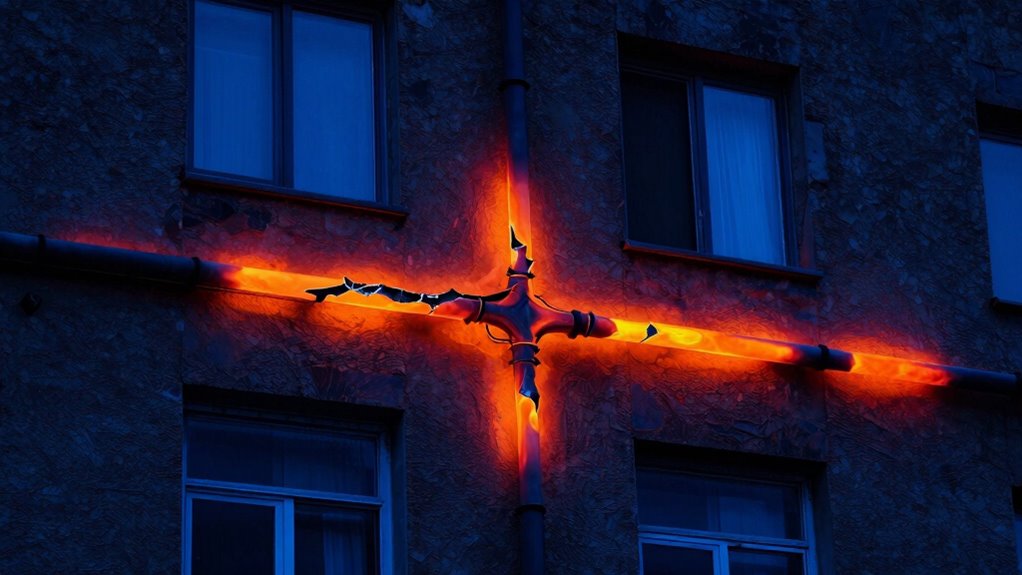
Thermal Imaging Cameras: When They Help and When They Don’t
How Do Thermal Imaging Cameras Work and What Are Their Main Uses?
Thermal imaging cameras work by detecting infrared radiation emitted by objects and converting it into visible images. To guarantee accurate results, you need proper thermal camera calibration, which adjusts the device for precise temperature readings. These cameras are widely used in industries like electrical inspection, building diagnostics, and medical diagnostics, where identifying heat patterns is critical. However, understanding thermal imaging regulations is essential, especially when deploying cameras in sensitive environments or for legal purposes, to ensure compliance with privacy and safety standards. The technology captures heat differences, allowing you to detect issues like overheating equipment or insulation leaks. Overall, thermal imaging cameras offer valuable insights across many fields, but their effectiveness depends on correct calibration and adherence to relevant regulations. Moreover, exploring new content formats can enhance the understanding and applications of thermal imaging technology.
What Are the Key Benefits of Thermal Imaging in Industry and Safety?

Sure! Here’s your revised article subheading content with the requested addition:
—
Because it can quickly detect heat anomalies, thermal imaging offers significant advantages in industry and safety. It enables early fault detection, reduces downtime, and improves personnel safety by identifying hidden hazards. Historically, thermal cameras have been used for building inspections, electrical maintenance, and firefighting. Today, their artistic uses include creating thermal art and visual storytelling. This technology enhances efficiency, prevents costly failures, and promotes safer work environments. Additionally, incorporating flywheel and engine upgrades can further optimize performance in systems that rely on thermal imaging for monitoring. Furthermore, thermal imaging can also assist in evaluating eco-friendly natural pools by detecting temperature variations that may indicate leaks or inefficiencies. In industries like construction, the use of thermal imaging cameras can help identify insulation issues that may lead to energy loss. Moreover, understanding color accuracy in thermal images can improve diagnostic capabilities and overall analysis. Moreover, using reliable data storage solutions ensures that thermal imaging data is securely saved and easily accessible for future analysis.
| Benefit | Explanation |
|---|---|
| Early Fault Detection | Identifies issues before they become critical. |
| Safety Enhancement | Protects workers from unseen hazards. |
| Cost Savings | Prevents damage and reduces repair expenses. |
| Historical Applications | Used in firefighting, electrical, and building checks. |
| Artistic Uses | Enables thermal art and creative visualizations. |
—
Let me know if you need any further modifications!
When Are Thermal Cameras Most Effective for Detecting Issues?

Thermal cameras work best in high contrast environments where temperature differences are clear. You’ll find them most effective for spotting insulation gaps and electrical hotspots, which often emit distinct thermal signatures. Recognizing these issues early helps prevent costly repairs and safety hazards. Additionally, being aware of emotional responses at work can enhance team dynamics when addressing potential safety concerns. Using thermal imaging to detect heat loss in kitchens can significantly improve energy efficiency and reduce utility costs. Moreover, investing in high-quality gaming gear can provide users with the precision needed for effective thermal imaging. Furthermore, incorporating sustainability initiatives in thermal imaging practices can contribute to overall energy efficiency goals. Additionally, utilizing thermal imaging can help identify electric fireplace efficiency issues during renovations, ensuring optimal heating performance and safety.
High Contrast Environments
High Contrast Environments (When Are Thermal Cameras Most Effective for Detecting Issues?)
High contrast environments are where thermal imaging cameras truly shine, as the stark difference between hot and cold areas makes issues much easier to spot. When temperatures vary markedly, your camera’s thermal sensitivity can detect even subtle differences, highlighting problems that might otherwise go unnoticed. In these settings, image resolution becomes essential because clearer images help you distinguish between genuine issues and background noise. High contrast makes it easier to identify overheating components, leaks, or electrical faults quickly. You don’t need ultra-fine detail; rather, the ability to differentiate thermal patterns is key. For effective inspection, make sure your camera has good thermal sensitivity and adequate image resolution, so you can detect issues confidently in environments with pronounced temperature differences. Additionally, utilizing car protection accessories can enhance your overall vehicle safety and performance when addressing thermal-related concerns.
Detecting Insulation Gaps
Detecting insulation gaps with thermal cameras is most effective when there’s a significant temperature difference between the interior and exterior of a building. When insulation integrity is compromised, heat escapes or enters through gaps, creating thermal anomalies that the camera can detect. These gaps often lead to increased air leakage, making thermal imaging a valuable tool for pinpointing problem areas. To get accurate results, conduct inspections during colder months when warm indoor air leaks out and cold outdoor air infiltrates. Properly functioning insulation reduces these heat transfers, so spotting irregularities helps you identify where insulation needs reinforcement or replacement. Remember, the greater the temperature differential, the clearer and more precise your thermal images will be in revealing insulation gaps.
Identifying Electrical Hotspots
When are thermal cameras most effective for identifying electrical hotspots? They work best when inspecting electrical panels and wiring for signs of circuit overload or failing components. Hotspots appear as bright spots on the thermal image, indicating areas with excessive heat. If you suspect a circuit overload, a thermal camera quickly pinpoints the problematic area without shutting down the system. This non-contact approach helps prevent potential fires or equipment damage. Thermal imaging is especially useful during routine maintenance or after unusual electrical activity. Additionally, properly managing moisture levels in surrounding areas can enhance the accuracy of thermal assessments. Regular safety checks of electrical systems can further reduce the risk of undetected issues. Keep in mind, the camera’s effectiveness depends on proper calibration and clear access to the target components. When used correctly, thermal cameras provide a fast, safe way to detect electrical hotspots before they cause serious problems, similar to how infection risks can escalate without proper monitoring in body piercings.
How Can You Properly Interpret Thermal Images?

To interpret thermal images effectively, you need to recognize temperature variations across different areas. Understanding color palettes helps you identify hot and cold spots quickly, while considering environmental factors guarantees accurate readings. Keeping these points in mind allows you to make precise assessments from your thermal images.
Recognize Temperature Variations
Understanding temperature variations in thermal images is essential for accurate interpretation. Your thermal sensitivity determines how well the camera detects subtle differences in heat, which helps you identify issues like leaks or overheating components. Additionally, maintaining LiFePO4 battery care ensures optimal performance and longevity, which can be critical in applications using thermal imaging. Pay attention to the image resolution, as higher resolution provides more detailed views, making it easier to recognize small or complex temperature changes. Variations in brightness and color intensity indicate different temperatures; warmer areas appear brighter, while cooler areas are darker. Always consider the context, and avoid jumping to conclusions based solely on a single image. By understanding how thermal sensitivity influences temperature detection and utilizing clear image resolution, you can accurately interpret the thermal data and make informed decisions about the condition of objects or environments. Additionally, understanding breast cancer symptoms can be crucial when evaluating health-related thermal imaging applications. Furthermore, considering the lack of empathy often seen in narcissistic behavior can help in understanding how emotional factors may impact the interpretation of thermal data in certain contexts.
Understand Color Palettes
Color palettes in thermal images translate temperature differences into visual cues, making it easier to interpret heat patterns. Different palettes assign specific colors to temperature ranges, helping you quickly identify hot or cold spots. Common options include grayscale, which emphasizes contrast, and rainbow palettes, which offer vivid, intuitive distinctions. Some palettes enhance subtle temperature variations, while others highlight extreme differences for clarity. While color palettes can improve accuracy, they also add an aesthetic appeal that can influence perception. Familiarizing yourself with the standard color-to-temperature relationship guarantees accurate interpretation, preventing misreads caused by misleading color choices. Ultimately, understanding how different palettes work allows you to use thermal images more effectively, whether for diagnostics, safety inspections, or troubleshooting.
Consider Environmental Factors
Environmental factors can substantially influence the accuracy of thermal images, so it’s essential to take them into account carefully when interpreting heat patterns. Weather considerations, such as wind, rain, or humidity, can distort thermal readings by affecting surface temperatures or cooling objects unexpectedly. For example, wind can cool surfaces quickly, making hot objects appear cooler than they truly are. Similarly, environmental impact from nearby heat sources or reflective surfaces can create misleading patterns. To interpret thermal images accurately, you need to weigh these factors and adjust your analysis accordingly. Always evaluate the scene’s environmental conditions before drawing conclusions. Recognizing how weather considerations and environmental impact influence thermal readings helps guarantee more reliable and precise assessments.
What Are Common Situations Where Thermal Cameras Can Be Misleading?

Have you ever wondered why thermal cameras sometimes give misleading readings? Several situations can cause errors, making the technology less reliable.
Thermal cameras can give misleading readings due to environmental factors, surface materials, and distance.
- False positives: Thermal cameras might signal a problem where none exists, such as detecting heat from a shiny or reflective surface.
- Environmental interference: External factors like wind, rain, or direct sunlight can distort temperature readings, leading to inaccuracies.
- Surface emissivity: Different materials emit heat differently; low-emissivity surfaces like metal can appear cooler than they truly are.
- Object distance: The farther the object, the less accurate the reading, especially if the camera’s resolution isn’t high enough.
Being aware of these issues helps you interpret thermal images more accurately and avoid potential pitfalls. Additionally, understanding the importance of context can significantly enhance your ability to evaluate thermal data effectively.
Environmental Factors That Affect Thermal Imaging Accuracy

Environmental factors like ambient temperature, humidity, and surface reflectivity can profoundly impact the accuracy of your thermal images. Changes in these conditions may cause false readings or obscure true temperature differences. Understanding how these elements influence your camera helps you get more reliable results. For instance, humidity control basics can significantly improve thermal imaging accuracy by reducing moisture interference. Additionally, recognizing the importance of seasonal produce can aid in understanding how different environmental conditions affect thermal readings throughout the year. Moreover, maintaining proper gear care tips for your thermal camera can enhance its performance in varying environmental conditions. Furthermore, being aware of credit card terms can help you make informed financial decisions when investing in high-quality thermal imaging equipment, especially in fluctuating environments.
Ambient Temperature Influence
Ambient temperature plays a significant role in determining the accuracy of thermal imaging cameras, as fluctuations in surrounding conditions can affect the camera’s ability to correctly interpret temperature differences. Changes in ambient temperature can cause thermal drift, impacting measurement precision. To mitigate these effects, consider the following:
- Calibration: Regularly calibrate your camera for the current ambient temperature.
- Stable Environment: Use the camera in consistent temperature conditions whenever possible.
- Compensation Settings: Enable temperature compensation features to adjust for ambient variations.
- Temperature Range: Be aware of the camera’s specified operating temperature range to avoid inaccuracies caused by extreme ambient conditions.
Understanding ambient temperature influence helps you achieve more reliable thermal readings, ensuring your camera performs *ideal* in different environments.
Humidity and Moisture Levels
Humidity and moisture levels can profoundly impact the accuracy of thermal imaging cameras, especially in environments where humidity fluctuations or moisture accumulation occur. When moisture builds up on surfaces, it can distort thermal readings, making it harder to detect temperature differences accurately. Humidity fluctuations can also cause the camera’s sensors to misinterpret heat signatures, leading to false alarms or missed issues. Moisture detection becomes more challenging, as dampness can mask underlying temperature variations, especially in areas with high humidity. To improve accuracy, you should consider environmental conditions carefully and use cameras designed for moisture-rich environments. Regular calibration and adjustments for moisture levels help guarantee reliable thermal imaging, providing precise insights without being misled by moisture-induced distortions. Additionally, understanding how somatic therapy can address underlying issues may enhance recovery and improve overall well-being.
Surface Reflectivity Effects
Surface reflectivity can markedly impact the accuracy of thermal imaging cameras, especially when analyzing shiny or polished surfaces. High surface reflectivity can cause the camera to detect reflected ambient heat instead of the actual surface temperature. To counter this, you need to perform an emissivity adjustment, ensuring the camera accounts for the surface’s reflective properties.
Consider these points:
- Shiny metals often have low emissivity, requiring adjustments for accurate readings.
- Matte surfaces usually have higher emissivity, making measurements more reliable.
- Reflective surfaces can reflect thermal radiation from nearby sources, skewing results.
- Applying a matte coating or using emissivity correction features helps improve accuracy.
Understanding surface reflectivity and making proper emissivity adjustments are vital for precise thermal imaging.
How Do You Choose the Right Thermal Imaging Camera for Your Needs?

Choosing the right thermal imaging camera depends on understanding your specific needs and the environment in which you’ll use it. First, consider cost considerations—higher-end models offer better resolution and features but come with a higher price tag. Balance your budget with the camera’s capabilities to guarantee you get the features you need without overspending. Additionally, think about user training; some models are more intuitive, while others require specialized knowledge. If you or your team are new to thermal imaging, opt for a camera with a user-friendly interface and accessible training resources. Assess your primary applications, whether for maintenance, security, or research, and match these with the camera’s resolution, sensitivity, and features to make an informed choice.
Real-World Successes and Failures of Thermal Imaging
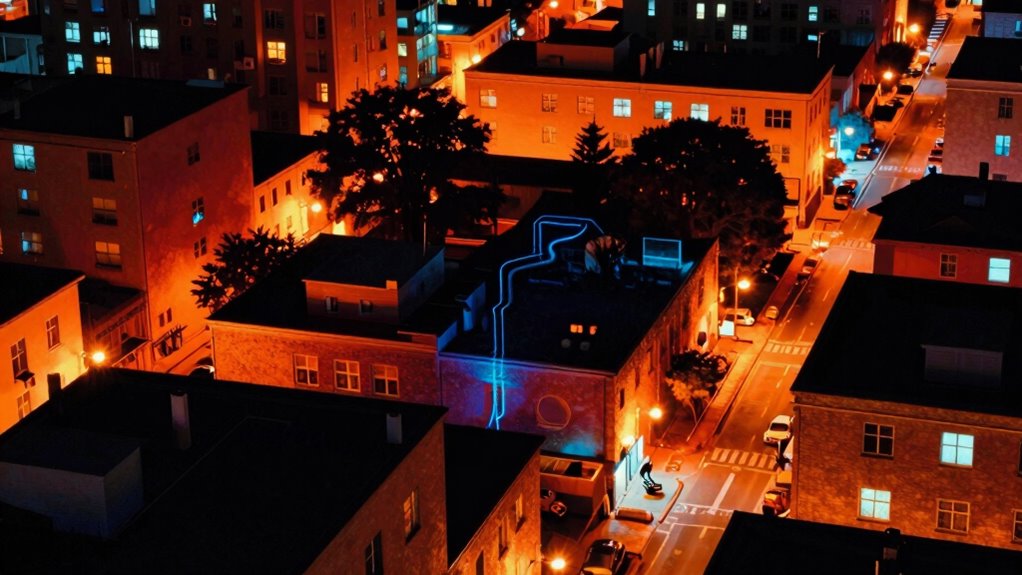
Thermal imaging has proven its value in a variety of real-world applications, but it hasn’t been without setbacks. Its success depends on factors like thermal sensitivity and image resolution. Here are some key points:
- Thermal sensitivity allows you to detect subtle temperature differences, making it useful for medical or industrial inspections.
- High image resolution helps you identify small or distant heat sources, but often comes at a higher cost.
- Failures occur when low thermal sensitivity leads to missed issues, or poor image resolution makes details indistinguishable.
- Environmental factors like weather or reflective surfaces can also cause false readings, limiting reliability in some scenarios.
Understanding these successes and failures helps you choose when thermal imaging is truly effective.
What Are the Future Trends in Thermal Imaging Technology?

Advancements in thermal imaging technology are accelerating rapidly, driven by innovations in sensor design, data processing, and material science. Future innovations will likely lead to smaller, more affordable cameras with higher resolution and faster response times. These improvements will expand market growth into sectors like healthcare, automotive, and consumer electronics. You can expect enhanced integration with AI for real-time analysis and predictive insights. Additionally, multi-spectral and multisensor fusion will become more common, providing richer data. The following table highlights key trends shaping the future:
| Trend | Impact | Example |
|---|---|---|
| Miniaturization | Increased portability | Handheld devices for field use |
| AI Integration | Faster, smarter analysis | Predictive maintenance |
| Material Science Advances | Better sensitivity, durability | Rugged, weather-resistant cameras |
Top Tips to Maximize the Accuracy of Your Thermal Imaging Results
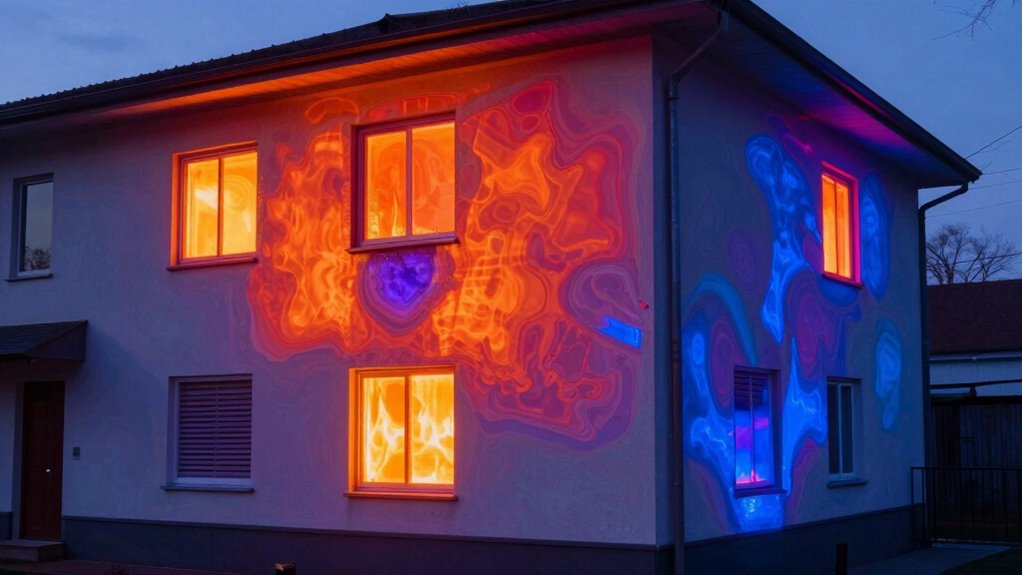
To guarantee your thermal imaging results are as accurate as possible, it’s essential to pay close attention to calibration and environmental conditions. Proper calibration ensures your camera’s thermal sensitivity and image resolution are optimized for precise measurements.
Here are top tips to improve accuracy:
- Regularly calibrate your camera to maintain optimal thermal sensitivity and prevent drift.
- Use high-resolution settings when possible, as better image resolution reveals finer temperature details.
- Minimize environmental influences like wind, moisture, or direct sunlight that can skew readings.
- Keep your lens clean and free of obstructions to ensure clear, sharp thermal images.
Implementing these tips helps you achieve more reliable, accurate thermal imaging results every time.
Frequently Asked Questions
How Much Do Thermal Imaging Cameras Typically Cost?
Thermal imaging cameras typically cost anywhere from a few hundred to several thousand dollars, depending on features. For your budget options, basic models can start around $200 to $500, suitable for DIY or hobbyist use. Higher-end professional cameras with advanced features may cost $3,000 or more. To make an informed choice, conduct a cost comparison based on your needs, balancing affordability with essential capabilities.
Are Thermal Cameras Safe for Continuous Use?
Sure, thermal cameras are safe for continuous use, so long as you don’t expect them to double as a cozy blanket. In reality, thermal safety during prolonged operation is generally maintained, but overheating can occur if the device isn’t designed for continuous operation. Always follow manufacturer guidelines, guarantee proper ventilation, and avoid overworking your camera—after all, even high-tech gadgets need a break to stay cool and functional.
Can Thermal Imaging Detect Hidden or Masked Objects?
Yes, thermal imaging cameras can detect hidden or masked objects, especially with advanced models designed for hidden object detection. They work by identifying masked thermal signatures, revealing heat patterns that aren’t visible to the naked eye. However, their effectiveness depends on factors like material, depth, and environmental conditions. While highly useful, these cameras may struggle with certain materials or if the heat signatures are too subtle to distinguish.
What Maintenance Is Required for Thermal Imaging Equipment?
You need to regularly calibrate the sensor to guarantee accurate readings, especially if you notice inconsistencies. Keep the lens clean and free of dust or smudges, and store the device in a cool, dry place. Battery maintenance is essential—recharge or replace batteries before they deplete completely to prevent damage. Regularly check for software updates and perform functional tests to keep your thermal imaging camera functioning at its best.
How Do Environmental Conditions Impact Thermal Camera Calibration?
Think of environmental interference as whispers in your ear that distort calibration accuracy. When conditions like humidity, dust, or extreme temperatures arise, they can throw off your thermal camera’s calibration, making readings unreliable. You must regularly account for these factors by recalibrating in controlled environments or after exposure to harsh conditions. Otherwise, your thermal imaging results might mislead, like a distorted mirror reflecting an inaccurate image of reality.
Conclusion
In the world of thermal imaging, you hold a powerful lantern—illuminating hidden issues and guiding your way through darkness. But remember, even the brightest light can cast shadows if misunderstood. Use these tools wisely, interpret images carefully, and stay updated on the latest tech. With attention and expertise, you’ll navigate the thermal landscape confidently, turning unseen signals into clear insights—transforming the shadows into a story of safety, efficiency, and innovation.