
Discover the wild edible greens of Sardinia, which play a crucial role in local cuisine and traditions. You’ll find herbs like wild oregano, thyme, and myrtle, along with greens such as wild asparagus, garlic, and chard thriving in coastal, inland, and mountain habitats. These plants offer nutritional and medicinal benefits, are harvested sustainably, and are used in flavorful traditional dishes. If you keep exploring, you’ll uncover even more about Sardinia’s rich wild plant heritage.
Key Takeaways
- Sardinia’s wild greens include herbs like wild oregano, thyme, and wild garlic, used in traditional cuisine and medicine.
- Edible greens such as wild asparagus, chard, and borage grow in diverse habitats like coastal soils, maquis, and mountain regions.
- Seasonal availability varies from February’s violets and daisies to summer herbs like thyme and elder.
- Harvesting practices emphasize gentle collection and traditional preparation methods like blanching and sautéing.
- These wild greens hold cultural significance, reflecting Sardinian rural traditions and supporting sustainable foraging.
EDIBLE WILD GREENS: From California, U.S.A and Attica, Greece Foraging and Recipes
As an affiliate, we earn on qualifying purchases.
As an affiliate, we earn on qualifying purchases.
Popular Wild Herbs and Spices in Sardinian Cuisine
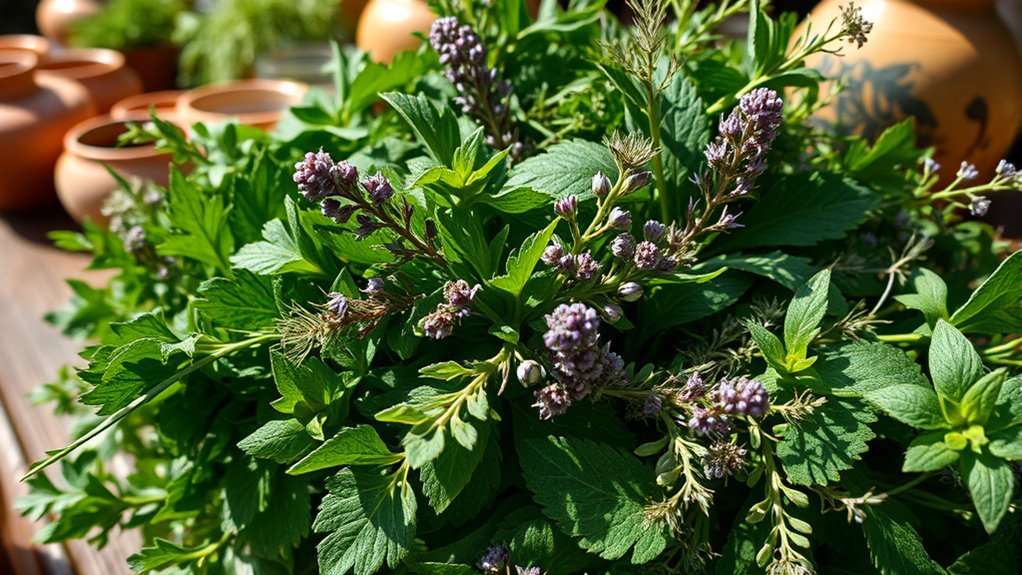
In Sardinian cuisine, wild herbs and spices play a pivotal role in creating bold and authentic flavors. Wild oregano, especially the southern variety, offers a stronger aroma than cultivated types, making dishes more vibrant. It’s best foraged before flowering in summer to guarantee maximum potency and flavor, often enriching tomato-based sauces, pizza, and traditional dishes. Thyme, with its herbal, grassy notes, pairs well with garlic and oregano, enhancing seafood, meats, and sauces while providing health benefits like antimicrobial and antioxidant effects. Wild myrtle adds a unique bitter-sweet aroma to meats and liqueurs and has been valued for respiratory remedies. Garlic, a staple ingredient, contributes a distinct flavor and health perks, including cardiovascular support and immune boosting. These herbs and spices define Sardinian culinary identity and health traditions. Additionally, the use of ancient seeds like chia reflects a long history of utilizing natural ingredients for both nutrition and medicinal purposes across cultures.
Tender Leaf Toys – Wild Wood Foraging Trug – Wood Nature Play Set with 15 Pretend Forest Finds – Includes Pocket Knife, Trowel, Recipe Leaflet – Encourages Imaginative Play, Sparks Curiosity – Age 3+
FORAGE AND PLAY – Calling all pint-sized foragers! The Wild Wood Foraging Trug is your little explorer's ticket…
As an affiliate, we earn on qualifying purchases.
As an affiliate, we earn on qualifying purchases.
Common Edible Greens Found Across the Island
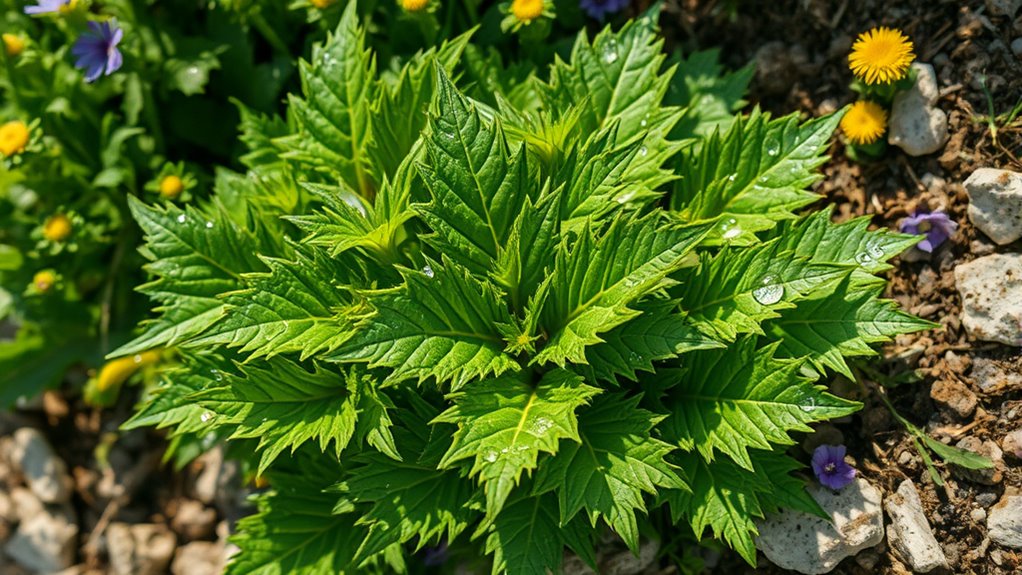
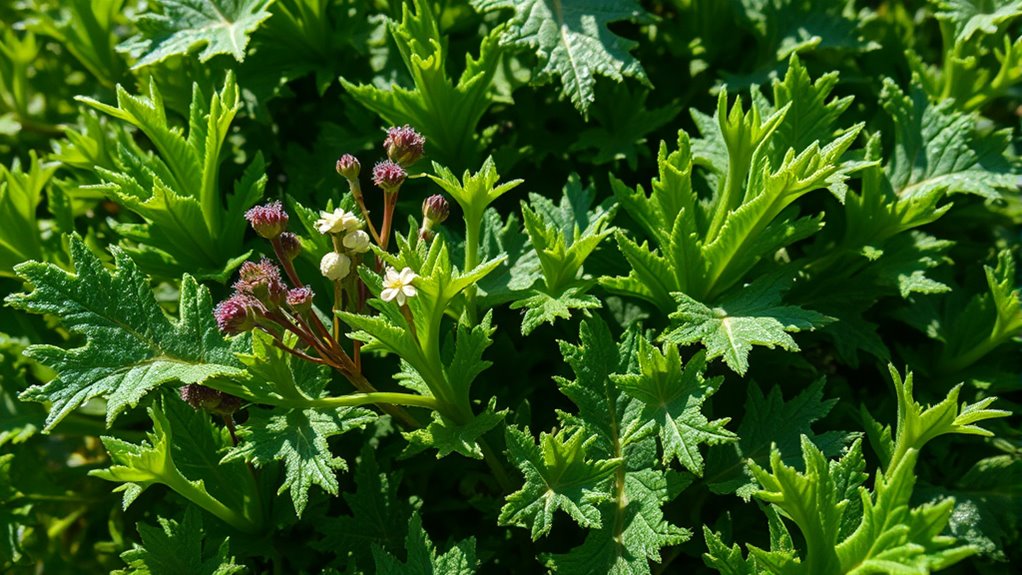
Across Sardinia, wild greens are a vibrant part of local cuisine, offering a diverse array of flavors and nutritional benefits. Wild asparagus grows near old trees and rock walls, especially in spring and early summer. It’s prized for its vitamins A, B1, B2, and minerals like iron, calcium, and potassium, and is used in soups, omelets, or eaten plain. Wild garlic thrives in shaded, humid areas like vineyards, providing a mild garlic flavor and natural antibiotics; it’s often added raw to salads or cooked in omelets. Wild chard, found in uncultivated fields, offers high vitamin A and iron, used in soups or sautéed. Wild borage, growing in sunny pastures, features edible leaves and honey-flavored flowers, while wild cardoon, mainly in colder months, supplies tender stalks for traditional dishes. Incorporating traditional Kia Tuning techniques can enhance the flavor profiles of these greens when prepared as part of local recipes.

Brunswick Wild Caught Gourmet Brisling Sardines in Extra Virgin Olive Oil, Mediterranean Style with Black Olives, Herbs and Spices, 4.23 oz Can – Wild Caught Sardines – 13g Protein per Serving
The information below is per-pack only
As an affiliate, we earn on qualifying purchases.
As an affiliate, we earn on qualifying purchases.
Nutritional and Medicinal Advantages of Wild Greens
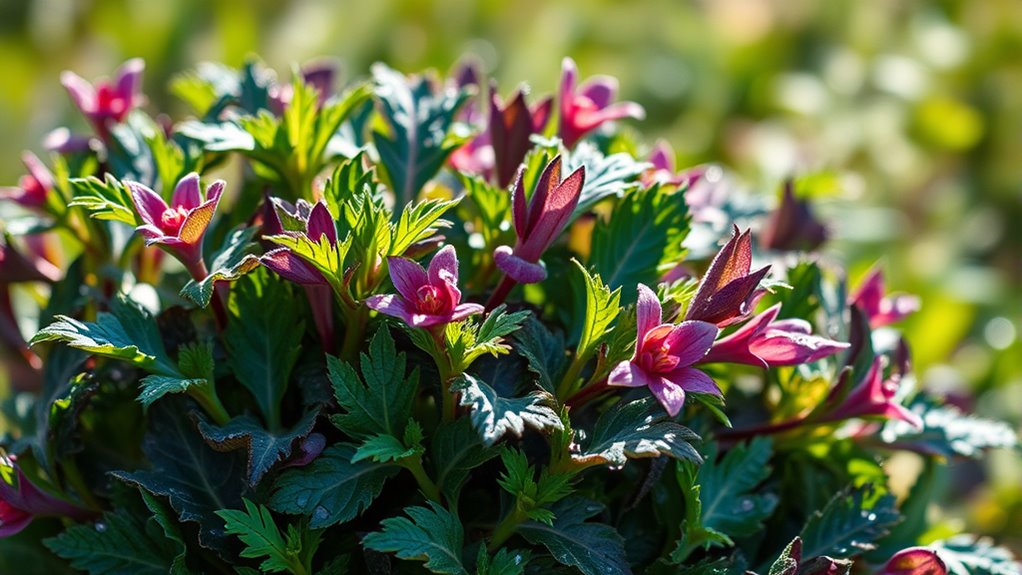
Wild greens in Sardinia not only enrich local dishes but also provide significant health benefits due to their rich nutritional and medicinal properties. These plants are packed with antioxidants that neutralize free radicals, reducing oxidative stress linked to chronic diseases. Wild garlic contains sulfur compounds that support immune health with disinfectant and diuretic effects. Oyster mushrooms boost immunity, lower cholesterol, and help regulate blood pressure. Mediterranean herbs like myrtle and rosemary offer essential oils with anti-inflammatory and antioxidant benefits. Nutritionally, wild asparagus and chard provide vitamins A, B, and minerals like iron, calcium, and potassium, promoting bone, vision, and metabolic health. Their high fiber content improves digestion and blood sugar control. Regular consumption may lower systemic inflammation, contributing to the longevity and well-being of Sardinian populations. Additionally, the presence of specialized sprayers and tools in modern painting techniques highlights the importance of proper equipment to achieve optimal results and maintain safety during application.

Oregon's Wild Harvest, Certified Organic Garlic Capsules, Non-GMO, 1575 MGS, 90 Count
90 organic vegan capsules
As an affiliate, we earn on qualifying purchases.
As an affiliate, we earn on qualifying purchases.
Typical Habitats and Growing Regions of Edible Plants
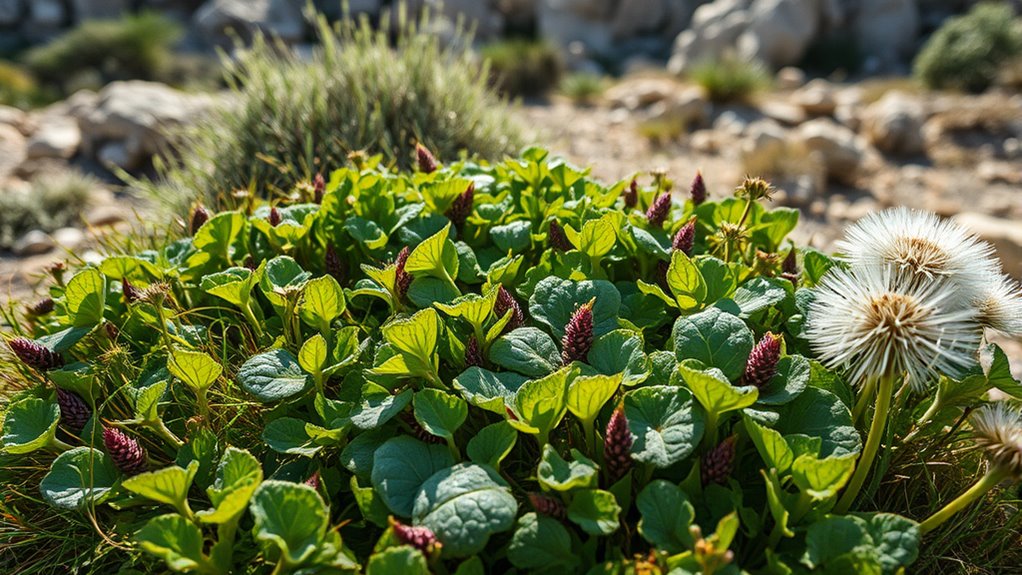
Sardinia’s edible plants thrive in diverse habitats that shape their growth and flavor profiles. On the coast, sandy, well-drained soils host hardy herbs like Helichrysum, thriving amid salt spray and wind. These plants develop strong aromas and salt tolerance, reflecting their environment. Inland, the Mediterranean maquis and scrublands, with granite-based soils, support herbs, leafy greens, and shrubs adapted to hot, dry summers. Traditional foraging occurs here, preserving local flavors. In cultivated areas, wild greens grow along field margins and disturbed soils, integrating into farming practices and seasonal cuisine. During spring, fields and meadows burst with wild asparagus, chicory, and others, offering fresh, seasonal harvests. Mountain regions like Monte Ortobene host diverse plants adapted to cooler, variable conditions, enriching Sardinia’s wild greens. The habitats also influence the nutritional properties of these greens, making them a vital part of the island’s culinary traditions.
The Cultural Significance of Wild Edible Plants in Sardinia
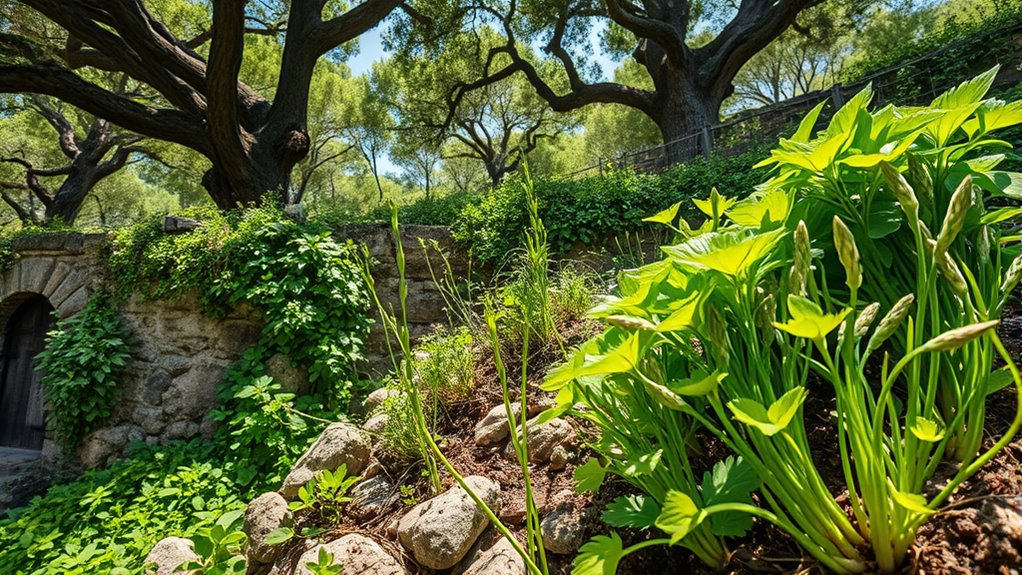
Traditional use of edible plants plays a crucial role in shaping the cultural identity of Sardinian communities, serving as a living link to their rural past. Wild greens reflect long-standing traditions passed down through generations, demonstrating pride in local customs and ancestral knowledge. These plants often symbolize regional identity and are featured in festivals and rituals, reinforcing community bonds. The practice of gathering and using wild greens preserves unique culinary and medicinal traditions, connecting people to their natural environment. Documenting this knowledge is essential to safeguard Sardinia’s cultural diversity before it fades with aging generations. Wild plants not only enrich traditional cuisine with distinct flavors but also support health and holistic practices. Their cultural significance fosters community cohesion, educates youth, and sustains a deep-rooted sense of Sardinian heritage, especially as climate change impacts local ecosystems and traditional harvesting practices. Additionally, the preservation of traditional knowledge is vital for maintaining biodiversity and resilience within these communities.
Traditional Methods of Harvesting and Preparing Wild Greens

When harvesting wild greens, you should use sharp tools like shears or knives to make clean cuts and avoid damaging the plants. Be sure to pinch off tender leaves carefully and only take a portion to allow the plants to regenerate. For preparation, boiling or lightly frying greens with eggs or olive oil are traditional methods that bring out their flavor and softness. Proper harvesting techniques help maintain the health of the plants and ensure sustainable foraging practices.
Harvesting Techniques
Harvesting wild greens in Sardinia relies on gentle, skillful techniques that protect both the plants and their environment. You should focus on minimizing damage to guarantee plants can regrow. Here are key methods:
- Use your hands to carefully pick tender leaves or shoots, avoiding uprooting entire plants. Color accuracy ensures the greens retain their vibrant appearance after harvesting.
- Employ small knives or scissors to cut stems cleanly, which promotes healthy regrowth.
- Harvest in the morning when plants are most hydrated and flavorful.
- Remove tough parts or spikes before cooking or eating, ensuring a better taste and texture.
- Sustainable foraging practices are essential to preserve biodiversity and ensure future harvests. Transport your greens in breathable baskets or cloth bags to keep them fresh. These careful practices support sustainable foraging and help preserve Sardinia’s rich flora.
Traditional Preparation Styles
To prepare wild greens in Sardinia, you typically start by blanching them in heavily salted boiling water—about four tablespoons per large pot—to soften leaf ribs and cut bitterness. Boil for around five minutes until tender but still slightly textured. Then, quickly cool the greens under running cold water to stop cooking and preserve color and nutrients. Before further use, squeeze out excess water to improve texture and concentrate flavors. The cooking water, rich in flavor, is often reused in soups or bread dishes. After blanching, greens are frequently sautéed in extra virgin olive oil with garlic and chili flakes, enhancing flavor and richness. They can be served hot or cold, dressed simply with olive oil, lemon, and salt. These methods highlight the greens’ versatility and traditional culinary importance in Sardinia.
Edible Mushrooms Native to Sardinia and Their Uses
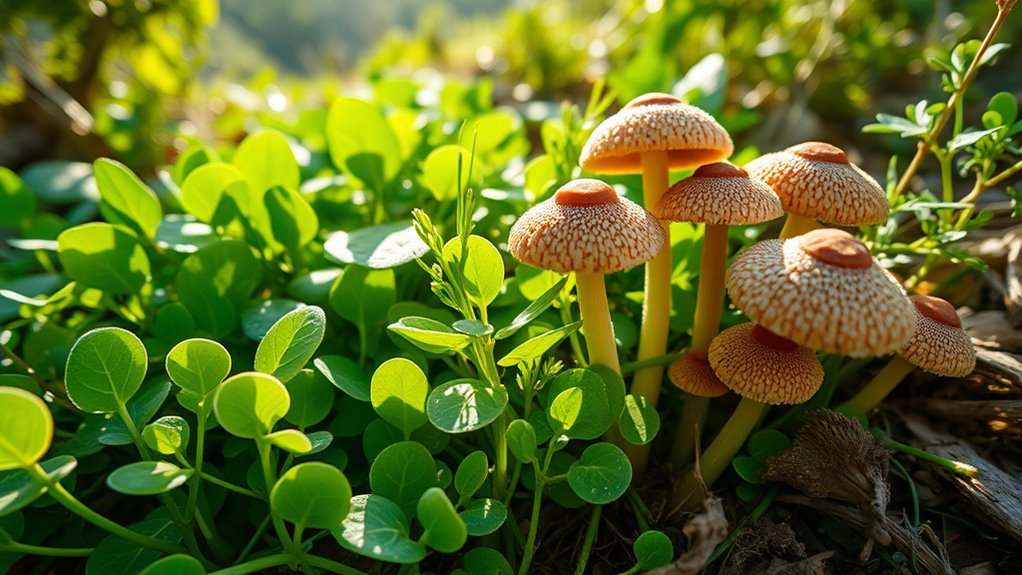
Sardinia is home to a variety of edible mushrooms that play an essential role in local cuisine and traditional practices. These mushrooms include:
- Pleurotus eryngii (King Oyster), valued for its size, flavor, and medicinal benefits.
- Leccinellum corsicum, found near Cistus shrubs and frequently harvested in the region.
- Terfezia arenaria (desert truffle), a hypogeous fungus growing in sandy soils in symbiosis with Cistaceae plants.
- Popular boletes like iodine and hazel boletes, along with porcini, chanterelle, and honey fungus.
You’ll find these mushrooms used in a variety of ways — fried, grilled, dried, or added to risottos and soups. They’re appreciated not just for flavor but also for their nutritional and medicinal properties. These mushrooms are an integral part of Sardinian culinary traditions and local ecology, contributing to sustainable harvesting practices and preserving biodiversity.
Seasonal Variations in Wild Plant Availability
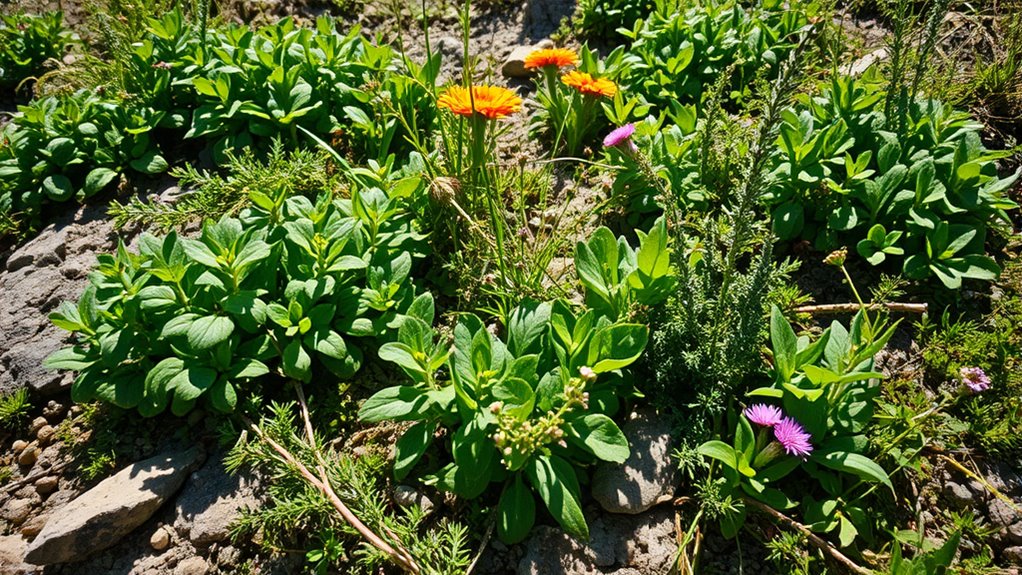
Wild plant availability in Sardinia shifts throughout the year, driven by seasonal changes in climate and growth cycles. Starting in February, you’ll see violets, daisies, and primula emerge in meadows and fields. By March, wild asparagus, nettle, wild garlic, dandelion, and shepherd’s purse become plentiful, offering fresh greens for foraging. April brings wild mint, strawberry leaves, and robert geranium, expanding your options for salads and herbal infusions. May features late spring favorites like wild thyme, meadow sage, and elder. In summer, from June to August, the variety diminishes, but you can still find medicinal plants and some herbs. Regional availability can influence which wild edibles are accessible during these months. By September, wild edibles decline as the season changes into autumn and winter, signaling the end of the foraging window.
Incorporating Wild Greens Into Local Recipes and Dishes
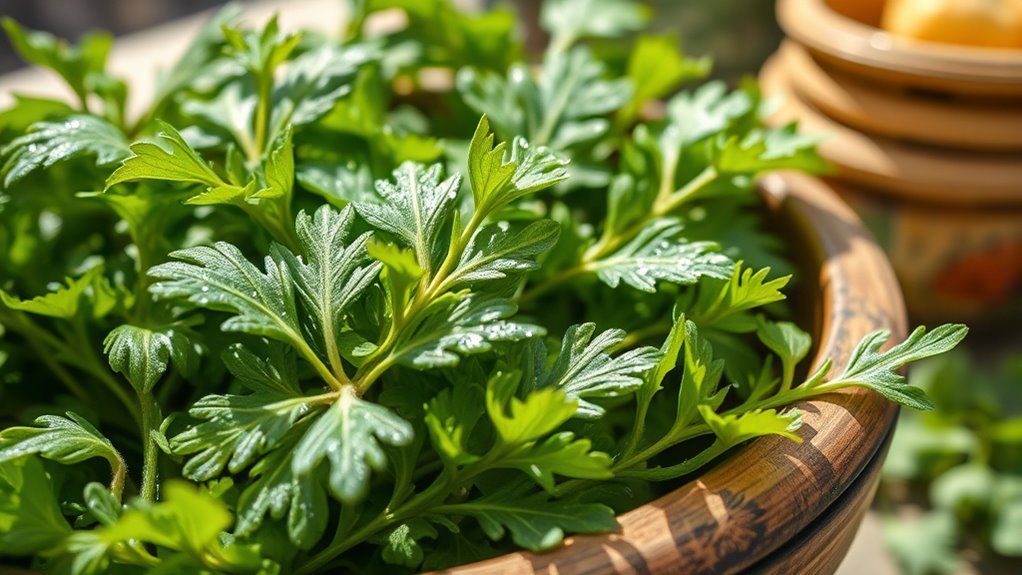
You can easily incorporate wild greens into traditional Sardinian recipes to boost flavor and nutrition. Adding them to pasta fillings, soups, and salads creates vibrant, authentic dishes. With simple techniques, you’ll bring local flavors to life while respecting age-old culinary traditions. Sardinia’s unique landscape is abundant with edible wild greens, which have been a staple in the local diet for generations. Utilizing foraged ingredients not only enhances the dishes but also connects you more deeply with the island’s natural environment.
Traditional Sardinian Recipes
Have you ever tasted the vibrant flavors of Sardinia’s traditional dishes infused with locally foraged greens? These greens are essential ingredients in many recipes, adding depth and nutrition. For example:
- Sardinian soups like *S’erbuzu* feature a mix of wild herbs, beans, and rustic pasta, creating an intensely herbal aroma.
- Minestrone often includes wild leafy greens, fresh herbs like tarragon, and hearty beans, emphasizing seasonal produce.
- Dishes like *favata* combine wild herbs with dried broad beans, pork, and vegetables, rooted in pastoral traditions.
- Greens such as wild fennel, chicory, and dandelions are incorporated into pasta, grain dishes, and salads, enriching flavor and health benefits.
- Foraging wild greens requires careful identification to ensure the plants are edible and safe to consume, which is an important aspect of traditional Sardinian culinary practices.
Cooking Tips and Techniques
Incorporating foraged greens into Sardinian dishes requires thoughtful preparation to unseal their full flavor and nutritional potential. Start by blanching wild greens in boiling salted water to reduce bitterness and soften their texture, then drain thoroughly to preserve flavor. Sauté the pre-cooked greens in olive oil with garlic and chili flakes for added richness, a technique common in southern Italian cooking. These greens can be served hot or cold, offering versatile options. Use young leaves and tender stalks, harvested before flowering, for most favorable taste. Incorporate wild greens into soups, stews, or pasta dishes like fregola sarda, gently cooking them to maintain delicate flavors. Season with olive oil, lemon juice, herbs, and a pinch of salt to enhance their earthiness and balance bitterness. Their incorporation not only adds a vibrant nutritional boost but also connects dishes to traditional Sardinian foraging practices.
Frequently Asked Questions
How Do Wild Greens Contribute to Sardinian Culinary Identity?
You see, wild greens deeply shape Sardinian culinary identity by connecting traditional practices with local landscapes. When you forage and cook with these greens, you preserve age-old recipes and regional flavors that define the island’s cuisine. They reflect cultural pride, support community bonds, and showcase Sardinia’s natural bounty. Incorporating wild greens into dishes highlights a sustainable, authentic way of life that’s passed down through generations, making the cuisine uniquely Sardinian.
Are There Any Endangered Wild Edible Plants in Sardinia?
You might wonder if any wild edible plants in Sardinia are endangered. Yes, some species like thistles, immortelle, myrtle, and wild thyme face threats from habitat loss, overharvesting, and environmental changes. These plants rely on stable ecosystems and traditional practices that are declining. Conservation efforts, sustainable harvesting, and awareness are essential to protect these crucial species for future generations and maintain Sardinia’s rich cultural and ecological heritage.
What Are Safe Practices for Foraging Wild Greens in Sardinia?
You might think foraging is simple, but safety requires attention. Always identify plants carefully, using multiple traits and trusted sources, never rushing to harvest. Keep your foraging away from pollution, pesticides, and urban areas, choosing undisturbed, rural spots. Wash greens thoroughly, and cook or prepare them properly to neutralize toxins. Remember, minimal impact and respecting local regulations guarantee you’re foraging sustainably and safely, preserving Sardinia’s wild greens for future generations.
Can Wild Herbs Be Cultivated at Home in Sardinian Climate?
You can definitely cultivate wild herbs at home in Sardinian climate if you manage water wisely and choose hardy plants. The warm, extended growing season helps, but you’ll need to use sustainable irrigation techniques and soil conservation methods to handle droughts. Select drought-resistant native herbs, use mulching, and consider climate-resilient varieties to guarantee your herbs thrive despite environmental challenges. Proper care and adaptation make home cultivation feasible and rewarding.
How Do Wild Greens Influence Sardinian Traditional Medicine?
You see, wild greens play a essential role in Sardinian traditional medicine by offering natural remedies rooted in centuries-old practices. You can use herbs like myrtle, thyme, and wild garlic for respiratory, digestive, and immune support. These plants are often prepared as teas, infusions, or topical applications, connecting you with cultural heritage while promoting health. Their medicinal properties help maintain wellness and treat common ailments naturally, reflecting Sardinia’s deep bond with nature.
Conclusion
As you explore Sardinia’s wild greens, imagine walking through a lush, ancient garden bursting with vibrant colors and fragrant aromas. These herbs and plants are nature’s treasure chest, offering both nourishment and tradition. Embrace their flavors, letting them weave into your meals like a timeless tapestry. By harvesting and savoring these wild greens, you connect deeply with Sardinia’s soul—an endless, living mosaic of land, history, and flavor.