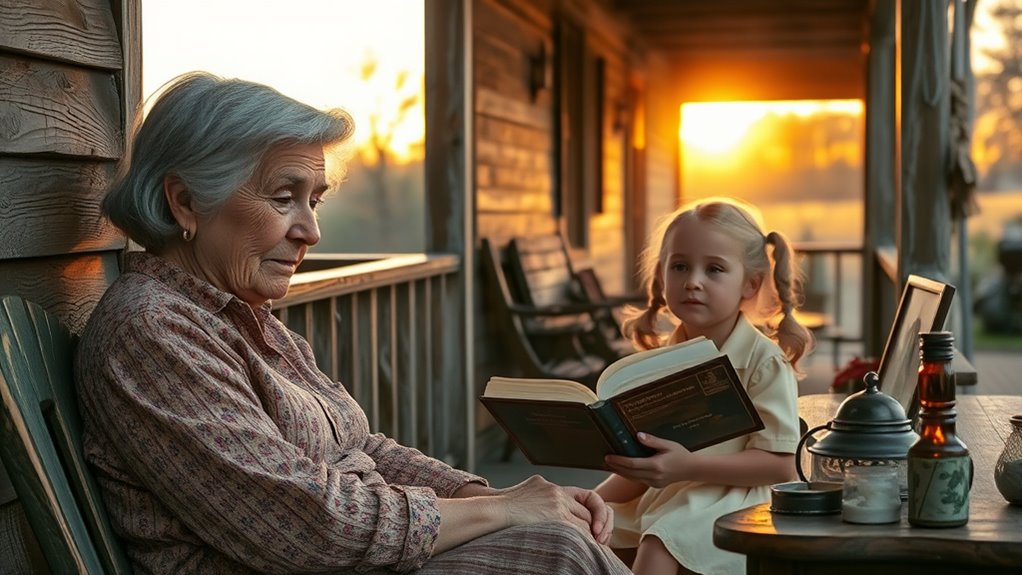

Oral histories are powerful tools for passing stories and cultural traditions from one generation to the next. You can preserve personal narratives and community memories that might otherwise be lost over time. By sharing authentic stories, you help maintain cultural identity and foster understanding across generations. These stories not only connect people but also keep traditions alive. If you’re interested in learning how these histories deepen our sense of community, keep exploring this important subject.
Key Takeaways
- Oral histories preserve personal stories and cultural traditions, ensuring they are passed down through generations.
- They create emotional and relatable connections that keep history alive and meaningful.
- Authentic storytelling maintains cultural integrity and provides nuanced insights often missing from official records.
- Sharing stories fosters empathy, understanding, and respect for diverse experiences across communities.
- Oral histories serve as a vital bridge for cultural preservation, especially for marginalized or underrepresented groups.

Have you ever wondered how we can truly understand the past? Oral histories offer a powerful way to do just that. They capture personal narratives and cultural preservation in a way that written records often can’t match. When you listen to someone recount their experiences, you’re not just hearing facts; you’re experiencing emotions, traditions, and perspectives that paint a vivid picture of history from a personal point of view. This method allows stories to become alive and relatable, creating a bridge between generations and cultures that might otherwise fade away.
By collecting oral histories, you’re helping to conserve the stories that might not be documented in official archives. These personal narratives hold unique insights into everyday life, struggles, celebrations, and values of communities. They serve as a living record, maintaining cultural identity and ensuring that traditions continue to thrive. When elders share their stories with younger generations, they pass down more than just information—they transfer a sense of belonging and cultural pride. This act of storytelling is essential for safeguarding intangible heritage, especially for groups whose histories might have been marginalized or overlooked.
Listening to oral histories also deepens your understanding of cultural preservation. It emphasizes that history isn’t just about dates and events; it’s about the human experiences behind them. These stories often include details and nuances that history books might omit, giving you a richer, more authentic sense of the past. As you engage with personal narratives, you see how history is woven into individual lives, making it more tangible. It’s a way to honor and remember voices that could otherwise be lost to time, ensuring their stories remain part of the collective memory. Additionally, utilizing accurate portrayal in these stories enhances their impact and helps maintain authenticity.
Furthermore, oral histories foster empathy and connection. When you hear someone recount their experiences, you gain insight into their worldview, struggles, and triumphs. It’s a reminder that history is made up of real people, with real emotions and stories worth listening to. This exchange strengthens cultural bonds and encourages respect for diverse backgrounds and traditions. As you participate in collecting or listening to these histories, you become part of an ongoing effort to keep heritage alive and meaningful.
In essence, oral histories are invaluable tools for cultural preservation and sharing personal narratives. They keep the voices of the past alive in the present, fostering understanding and continuity. Whether you’re recording stories or simply listening, you help ensure that history isn’t just a distant memory but a living, breathing part of our shared human experience.
Top picks for "oral history pass"
Open Amazon search results for this keyword.
As an affiliate, we earn on qualifying purchases.
Frequently Asked Questions
How Do Oral Histories Differ From Written History?
Oral histories differ from written history because they rely on spoken memory preservation, capturing personal stories and experiences firsthand. You can feel the narrative authenticity as these stories often include emotions and details that written records might miss. While written history offers a permanent record, oral histories provide a dynamic, living connection to the past, allowing you to experience history through voices and memories that might otherwise be lost over time.
What Are Common Challenges in Collecting Oral Histories?
When collecting oral histories, you often face challenges like memory biases, where people’s recollections may be inaccurate or distorted over time. Language barriers can also pose problems, making it hard to accurately capture stories from diverse speakers. You need patience and effective communication skills to navigate these issues, ensuring you preserve the authenticity of the stories while addressing potential biases and language differences.
How Can Oral Histories Influence Current Cultural Identity?
Oral histories are the threads weaving your cultural tapestry, shaping your current identity. They foster cultural continuity by passing down traditions, stories, and values, strengthening your sense of belonging. When you preserve these stories, you actively participate in identity preservation, ensuring your community’s unique voice endures through generations. By sharing and listening, you keep your heritage alive, allowing your cultural roots to deepen and flourish in a constantly evolving world.
What Ethical Considerations Are Involved in Recording Stories?
When recording stories, you need to prioritize ethical considerations like obtaining informed consent from storytellers, ensuring they understand how their stories will be used. You should also practice cultural sensitivity by respecting their traditions and perspectives. This approach helps protect their privacy, honors their experiences, and maintains trust. Always be transparent, listen actively, and be mindful of potential emotional impacts to ethically preserve their stories.
How Can Technology Improve the Preservation of Oral Histories?
Imagine technology as a bridge, connecting past and future. You can enhance preservation by utilizing digital archiving, which safeguards recordings from decay and loss. Multimedia storytelling adds depth, allowing you to include photos, videos, and sound clips, making stories more vivid and engaging. By embracing these tools, you guarantee oral histories endure, inspiring generations to come and keeping their voices alive in a rapidly changing world.
Conclusion
As you listen to these stories, you become a bridge connecting past and future, like roots weaving through the earth’s layers. Each tale is a shimmering thread in the tapestry of history, passing warmth and wisdom from one generation to the next. By preserving these voices, you keep the flame alive, illuminating shadows of the past and guiding your journey forward. In doing so, you breathe life into stories that might otherwise fade into silence.