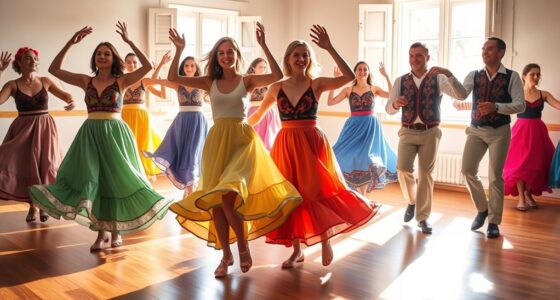
Festivals help you connect with a community’s traditions by showcasing unique crafts, food, and customs passed down through generations. They serve as lively celebrations that keep cultural identities alive and strengthen social bonds. During these events, artisans display handiwork, and families share special dishes, preserving skills and stories from the past. By participating in festivals, you contribute to maintaining your heritage and cultural continuity—discover more ways these vibrant events protect your shared history.

Get travel and outdoor gear delivered free with Prime
- Fast, free delivery on millions of items
- Prime Video, Amazon Music and more included
- Member-only deals all year
Key Takeaways
- Festivals act as living bridges to the past, reinforcing cultural identity through shared traditions and communal participation.
- They showcase traditional crafts like textiles, pottery, and woodwork, preserving artisans’ techniques and cultural stories.
- Culinary traditions during festivals feature regional dishes that connect communities to their history and foster social bonds.
- Festivals maintain cultural heritage by passing down customs, crafts, and recipes across generations.
- Celebrations serve beyond entertainment, sustaining cultural continuity and reinforcing community identity in a changing world.
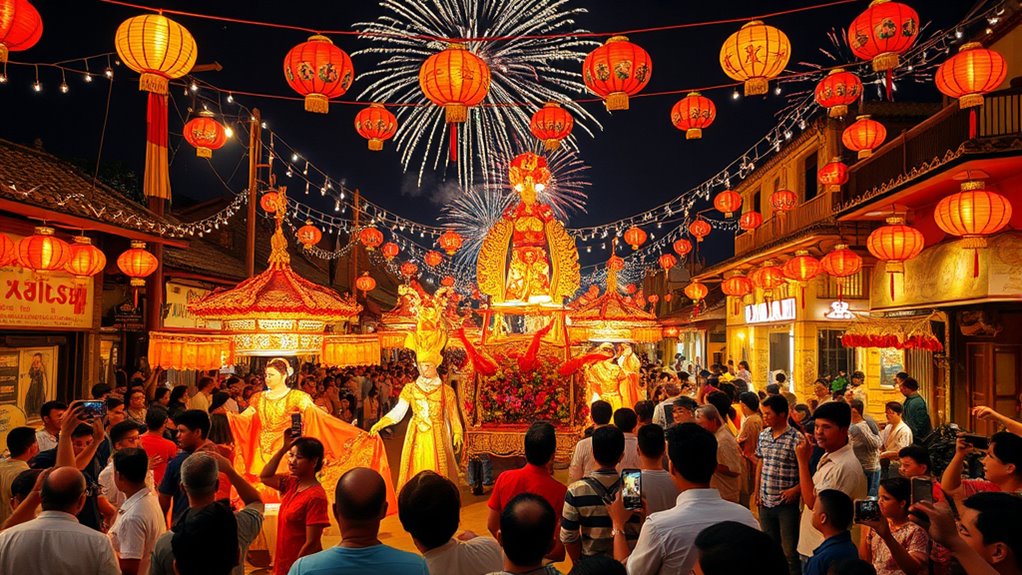
Have you ever wondered how communities keep their traditions alive in an ever-changing world? Festivals play a crucial role in this, serving as living bridges to the past. They aren’t just celebrations; they’re vibrant efforts to preserve cultural identity, showcasing the unique customs that define a community. One of the most noticeable ways they do this is through traditional crafts. During festivals, artisans often display their handiwork—intricate textiles, carved wood, woven baskets, and pottery—that have been passed down through generations. These crafts aren’t just decorative; they carry stories, techniques, and symbolism that connect the community to its history. When you see these traditional crafts at festivals, you’re witnessing living traditions that have survived modern shifts, kept alive by the passion and skill of local craftsmen. Participating in or observing these crafts allows you to appreciate the detailed work, patience, and cultural significance embedded in each piece. It’s a reminder that craftsmanship isn’t just about utility or beauty but about maintaining a cultural lineage. Incorporating traditional materials and techniques ensures the authenticity and longevity of these cultural expressions.
Alongside traditional crafts, culinary traditions also take center stage during festivals. Food is a universal language, and during these celebrations, you experience a sensory journey through recipes that have been cherished for generations. Festivals often feature special dishes, recipes passed down through families, and regional delicacies that symbolize community history and identity. These culinary traditions do more than nourish; they serve as a form of cultural expression. The preparation, presentation, and sharing of traditional foods reinforce social bonds and keep culinary practices alive. When you indulge in these dishes, you’re participating in a cultural ritual, connecting to ancestors’ ways of life, and helping ensure that these recipes aren’t lost to time. Many festivals include cooking demonstrations, tastings, or communal feasts, which further embed these culinary traditions into the fabric of community life.
Products Worth Considering

DJI Osmo 360 Motorcycle Handlebar POV Combo

Sony WH-1000XM6 Wireless Noise-Canceling Headphones, Black

Amazon Kindle Paperwhite Signature Edition (2024), 32 GB, Metallic Black
As an affiliate, we earn on qualifying purchases.
Frequently Asked Questions
How Do Festivals Adapt to Modern Technology?
You see festivals adapt to modern technology by embracing virtual participation, allowing people worldwide to join celebrations online. Social media plays a vital role, helping organizers share live updates, videos, and photos, engaging a broader audience. This way, festivals stay relevant and accessible, connecting tradition with innovation. As you participate virtually or share content, you help preserve culture while embracing the digital age.
What Funding Sources Support Cultural Festivals?
You might wonder where the funding comes from to keep cultural festivals alive. Government grants often provide essential support, recognizing their importance in preserving traditions. Sponsorship programs also play a key role, with local and corporate sponsors seeing the value in promoting cultural heritage. These sources combine to guarantee festivals continue to thrive, offering a vibrant glimpse into history while adapting to modern times. Without them, the magic might fade away.
How Do Festivals Engage Youth in Traditions?
You can engage youth in traditions through active youth participation in festival activities like dance, music, and craft workshops. By involving them in traditional engagement efforts, you foster a sense of ownership and pride. Encourage youth-led performances or storytelling sessions to make traditions relevant and exciting. Offering hands-on experiences helps preserve cultural practices and guarantees they’re passed down, creating a vibrant link between generations.
Are There Environmental Impacts Associated With These Festivals?
You might think festivals have no environmental impact, but they can affect local ecosystems and waste management. However, many organizers now adopt sustainability measures like reducing plastic use, promoting recycling, and encouraging eco-friendly transportation. These efforts help minimize negative environmental impacts, ensuring festivals preserve cultural traditions without harming the environment. By supporting such initiatives, you contribute to a more sustainable celebration that respects both heritage and nature.
How Do Festivals Ensure Authenticity Amidst Commercialization?
You can maintain cultural authenticity by actively involving local communities in festival planning and decision-making, ensuring traditions are respected and accurately represented. Be mindful of commercial influences that may dilute original practices; prioritize showcasing genuine customs over profit. Supporting local artisans and performers helps preserve traditions. Staying true to cultural roots amidst commercialization requires intentional effort, community engagement, and a focus on meaningful, authentic experiences rather than just entertainment or profit.
Conclusion
By participating in these festivals, you become a living thread in the vibrant fabric of your culture and heritage. They’re not just events; they’re the heartbeat that keeps traditions alive, passing stories from one generation to the next. Embrace these celebrations, for they’re the seeds of identity in a garden that constantly needs nurturing. When you preserve your culture, you’re planting roots that grow stronger with each passing season, anchoring your soul in history’s rich soil.