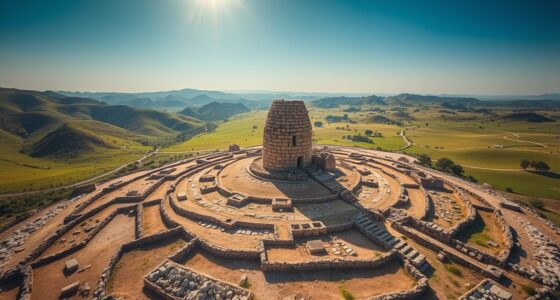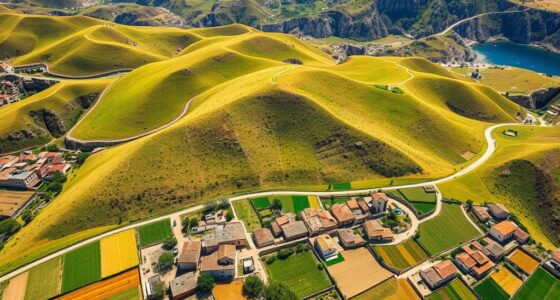
Cultural landscapes are environments where natural features and human activities come together to create meaningful spaces that showcase both environmental beauty and cultural heritage. They reflect stories of tradition, history, and ingenuity, often protected through heritage preservation efforts. Landscape architecture plays a key role in maintaining their character while allowing for new developments. By understanding how nature and culture intertwine, you’ll see how these landscapes serve as living symbols of our shared history and resilience. Keep exploring to discover more.

Get travel and outdoor gear delivered free with Prime
- Fast, free delivery on millions of items
- Prime Video, Amazon Music and more included
- Member-only deals all year
Key Takeaways
- Cultural landscapes reflect the intertwined relationship between natural environments and human activities, showcasing cultural heritage through landscape features.
- Landscape architecture designs and preserves these areas by integrating cultural elements with natural features like topography and vegetation.
- Heritage preservation safeguards historic land uses and structures, maintaining the cultural stories embedded within the landscape.
- Modern tools, such as predictive analytics, support sustainable management and protect cultural landscapes amid urbanization.
- These landscapes serve as living monuments of collective memory, combining natural beauty and cultural history for future generations.
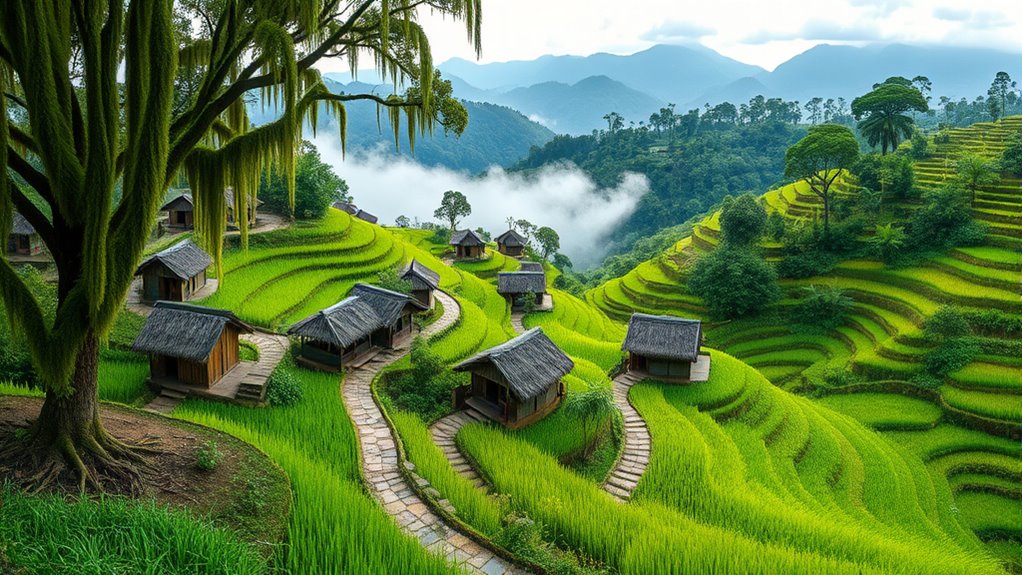
A cultural landscape is a geographic area that reflects the combined works of nature and human activity, shaping the way a place looks and feels. When you explore these landscapes, you’re witnessing more than just natural beauty; you’re uncovering stories of heritage preservation and the deliberate design choices made through landscape architecture. These elements work together to create spaces that honor history while adapting to modern needs, making every corner of a cultural landscape a monument to human ingenuity and reverence for the environment.
Heritage preservation plays a crucial role in maintaining the integrity of cultural landscapes. It involves actively protecting and conserving historic sites, traditional land uses, and the visual character that makes a place unique. When you see a historic park, a farmstead, or a traditional village layout, you’re witnessing the results of efforts to safeguard cultural identity. Preservation isn’t just about maintaining old structures; it’s about ensuring that the stories, practices, and values embedded in the landscape continue to thrive for future generations. This process often requires collaboration between communities, conservationists, and government agencies, all working to strike a balance between development and preservation.
Landscape architecture is the craft that shapes how these landscapes are designed, modified, and sustained. As you walk through a carefully planned park or a terraced hillside, you’re experiencing the intentional arrangements made by landscape architects to enhance both beauty and function. They analyze the natural features of the land, considering factors like topography, water flow, and vegetation, while also integrating cultural elements. Good landscape architecture respects the historic character of a place, ensuring that new developments complement the existing environment rather than overpower it. It involves strategic planning, thoughtful placement of structures, and the use of native plants to create harmonious spaces that serve communities and preserve cultural significance.
Moreover, incorporating advancements like predictive analytics can help manage and plan cultural landscapes more effectively by forecasting future changes and needs. When you appreciate a cultural landscape, you’re engaging with a living record of human history intertwined with nature’s beauty. Every element, from pathways to water features, is part of a larger story of cultural identity and adaptation. Heritage preservation and landscape architecture work together to ensure that these stories aren’t lost amid rapid urbanization or natural change. Instead, they become enduring symbols of collective memory and cultural resilience. By understanding the importance of these practices, you can better appreciate how landscapes are not just scenic vistas but essential repositories of history, culture, and community life.
Products Worth Considering

GoPro Fluid Pro AI 3-Axis Gimbal Stabilizer with AI Tracking and Fill Light

Travelpro Maxlite 5 21-Inch Expandable Softside Carry-On Luggage, Green

Amazon Kindle Paperwhite (2024, 16 GB) – 7-inch Glare-Free Display, Black
As an affiliate, we earn on qualifying purchases.
Frequently Asked Questions
How Do Cultural Landscapes Influence Local Biodiversity?
Cultural landscapes considerably influence local biodiversity by creating habitats that support various species. You’ll find that these landscapes often become biodiversity hotspots, preserving unique plants and animals. They also provide essential ecosystem services, like pollination and water filtration, which benefit both nature and communities. By maintaining traditional practices and landscapes, you help protect biodiversity and guarantee the resilience of local ecosystems for future generations.
What Are the Key Challenges in Preserving Cultural Landscapes?
You face the challenge of balancing preservation with change, risking the loss of authenticity. Community engagement becomes essential, as local voices shape the landscape’s future. Legal protections are critical, but enforcement can falter amid development pressures. Without vigilance, these treasured sites might quietly fade away, leaving you to wonder if future generations will ever experience their cultural and natural harmony. The stakes couldn’t be higher in safeguarding these fragile landscapes.
How Do Cultural Landscapes Adapt to Climate Change?
You can help cultural landscapes adapt to climate change by supporting adaptive strategies like sustainable land management and conservation efforts. These strategies enhance heritage resilience, ensuring that landscapes retain their cultural and ecological significance despite environmental shifts. By raising awareness and advocating for policies that prioritize climate adaptation, you contribute to protecting these landscapes for future generations, maintaining their cultural value while addressing the challenges posed by climate change.
What Role Do Indigenous Communities Play in Maintaining These Landscapes?
Indigenous communities play a crucial role in maintaining cultural landscapes through indigenous stewardship and traditional practices. You rely on their deep understanding of local ecosystems, which helps conserve biodiversity and sustain the environment. By respecting and supporting their knowledge, you guarantee these landscapes remain resilient to climate change. Their active involvement preserves cultural heritage while promoting ecological health, making indigenous communities indispensable partners in landscape management and conservation efforts.
How Can Tourism Impact the Integrity of Cultural Landscapes?
Tourism can threaten the integrity of cultural landscapes through over tourism and commercial exploitation. When you visit these sites, excessive foot traffic and commercialization can damage natural features and dilute cultural significance. To safeguard these landscapes, you should follow sustainable tourism practices, respect local customs, and support initiatives that prioritize preservation. Your mindful behavior helps ensure these landscapes remain vibrant and authentic for future generations to enjoy.
Conclusion
You might believe that cultural landscapes simply blend nature and tradition, but they actually reveal how humans shape and are shaped by their environment over time. Some scholars argue that these landscapes are living histories, reflecting cultural values and ecological changes simultaneously. Embracing this complexity, you see that preserving cultural landscapes isn’t just about conserving scenery—it’s about safeguarding the dynamic relationship between people and nature, proving that culture and environment are forever intertwined.