
TL;DR
The US Federal Aviation Administration (FAA) has announced the return of supersonic commercial flights after a 50-year ban. This development signals a potential revival of high-speed travel, but many details remain to be clarified. The move could reshape the future of aviation in the US.
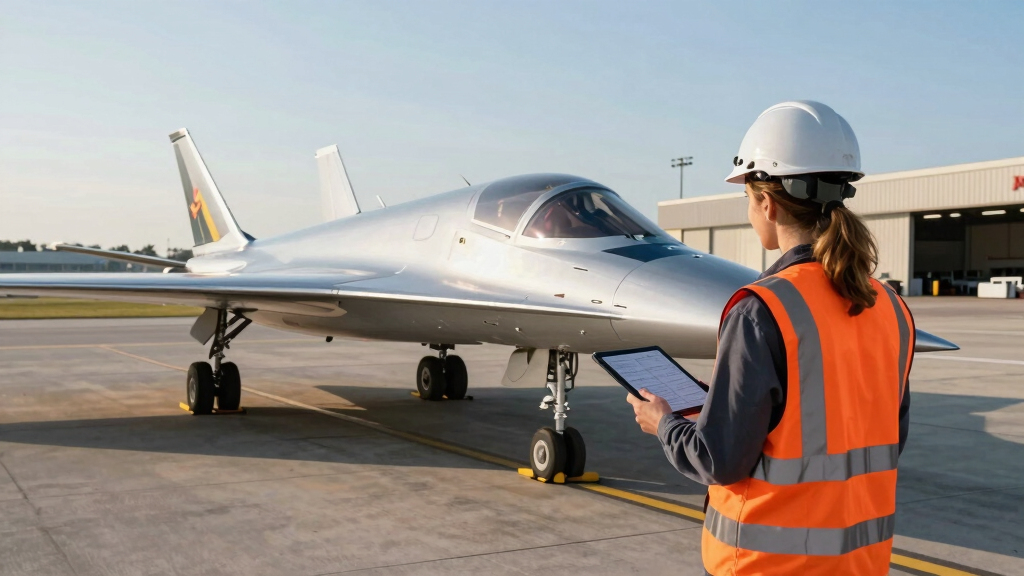
The Federal Aviation Administration (FAA) has announced the approval of supersonic commercial flights to operate in the United States, ending a ban that has been in place for more than 50 years. This decision opens the door for the reintroduction of high-speed air travel, which could significantly reduce flight times and impact the aviation industry. The move is seen as a major milestone in modernizing US aviation regulations and supporting technological innovation.
According to an official statement from the FAA, the agency has authorized the operation of supersonic aircraft within US airspace, citing advancements in noise reduction and environmental mitigation technologies. The decision follows extensive review of safety, environmental, and technological standards, with the FAA indicating that new supersonic aircraft designs meet current regulatory requirements.
Sources from the FAA confirmed that the approval is conditional on compliance with specific noise and emissions standards, which are areas of active development for aerospace manufacturers. For example, recent flight incidents like Air Canada Flight AC7664 highlight the importance of safety standards. The announcement does not specify which companies or aircraft models will be first to operate under this new policy, nor does it specify a timeline for commercial flights to begin.
Historically, supersonic flight was banned in the US in the early 1970s due to concerns over noise pollution, especially sonic booms, and environmental impact. The ban was part of broader restrictions that limited supersonic aircraft to military and experimental use. The recent policy shift indicates significant technological progress and changing regulatory perspectives.
Implications for Commercial Aviation and Travel
This development could revolutionize air travel by drastically reducing flight durations, making transcontinental and transoceanic trips more efficient. It also signals a renewed US interest in leading the next generation of aerospace innovation. For travelers, this could mean faster journeys; for airlines and manufacturers, a new market opportunity. However, environmental concerns and noise regulations remain key issues that will influence how quickly supersonic flights become commonplace.
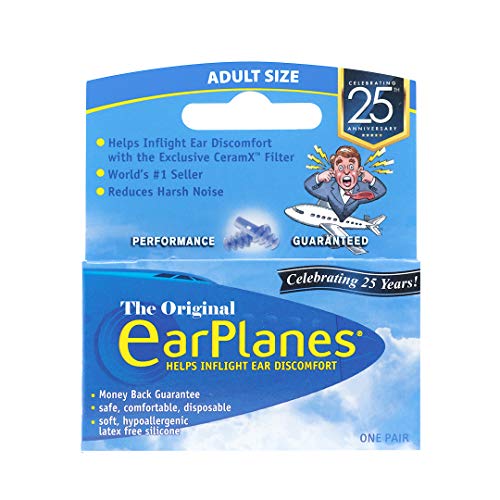
Original Adult EarPlanes by Cirrus Healthcare Earplugs Airplane Travel Ear Protection (1 Pair)
Say Goodbye to Ear Pain – Prevents in-flight ear pain, popping, and discomfort by regulating air pressure during…
As an affiliate, we earn on qualifying purchases.
As an affiliate, we earn on qualifying purchases.
Historical Restrictions and Modern Advances in Supersonic Flight
Supersonic flight in the US was effectively halted in the early 1970s after the Federal Aviation Act restricted commercial supersonic aircraft due to sonic boom noise and environmental worries. The Concorde, the most famous supersonic passenger aircraft, operated primarily in Europe and operated until 2003, but it was never permitted to fly over the US.
In recent years, aerospace companies and regulators have invested in new technologies aimed at reducing sonic booms and emissions, leading to renewed interest in supersonic commercial flight. The FAA’s decision reflects these technological advancements and a shift in regulatory approach, possibly influenced by industry lobbying and consumer demand for faster travel options.
“The FAA has authorized supersonic flight within US airspace, provided aircraft meet strict noise and environmental standards.”
— FAA spokesperson

ProCase Noise Cancelling Headphones for Kids Toddler, SNR 27dB Noise Reduction Ear Muffs, Hearing Protection for Monster Jam, Concerts, Fireworks, Shooting, Air Show, Autism Sensory Needs -Blue
Constructed by solid ABS shell and thickened sound-absorbing foam, our earmuffs achieve SNR 27 dB noise-isolation, ANSI S3.19…
As an affiliate, we earn on qualifying purchases.
As an affiliate, we earn on qualifying purchases.
Unanswered Questions About Implementation and Impact
It is not yet clear which companies will initiate supersonic flights, the specific aircraft models involved, or the expected timeline for commercial operations. Details on how noise and environmental standards will be enforced and monitored remain to be clarified. Additionally, the public and regulatory response to increased supersonic traffic and sonic booms over populated areas is still uncertain.

Bose QuietComfort Headphones – Wireless Bluetooth Headphones, Active Over Ear Noise Cancelling and Mic, USB-C Charging, Deep Bass, Up to 24 Hours of Playtime, Black
NOISE CANCELLING HEADPHONES: Effortlessly combines noise cancellation technology with passive features so you can shut off the outside…
As an affiliate, we earn on qualifying purchases.
As an affiliate, we earn on qualifying purchases.
Next Steps for Regulatory Approval and Industry Rollout
The FAA is expected to release detailed guidelines for certification and operation of supersonic aircraft in the coming months. Aerospace manufacturers are likely to accelerate testing and certification processes, aiming for commercial flights potentially within the next few years. Industry stakeholders will also monitor public response and environmental impact assessments to shape future regulations.
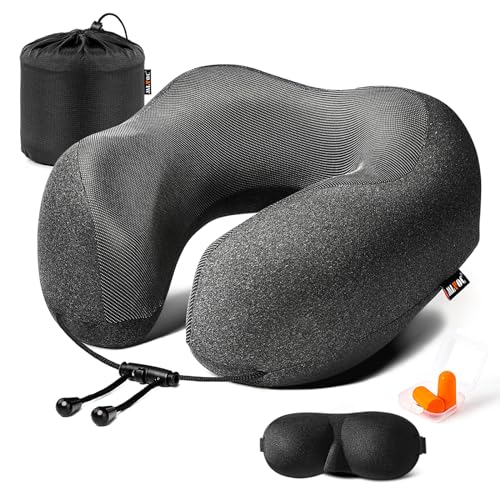
MLVOC Neck Pillow for Traveling, Upgraded 100% Pure Memory Foam Travel Neck Pillow for Airplane Flight Sleep, Breathable & Machine Washable Cover, Travel Kit with 3D Eye Mask, Earplugs & Bag, Black
【Provide Perfect Support】With perfect curves shape design, this memory foam travel pillow can better fix your neck, prevents…
As an affiliate, we earn on qualifying purchases.
As an affiliate, we earn on qualifying purchases.
Key Questions
When might commercial supersonic flights start in the US?
While an exact timeline has not been announced, industry sources suggest commercial flights could begin within the next three to five years, pending certification and regulatory approval.
What aircraft models are likely to operate first?
Specific models have not been disclosed; however, several aerospace companies are developing supersonic aircraft that meet noise and emissions standards, with some prototypes already in testing phases.
Will supersonic flights be environmentally friendly?
The FAA’s approval is contingent on aircraft meeting strict environmental standards, including reduced sonic booms and emissions. Advances in noise reduction technologies are central to this effort.
How will noise pollution be managed?
Regulations will likely include restrictions on flight paths and times to minimize noise over populated areas, along with ongoing monitoring of sonic boom impacts.
Does this mean supersonic travel will be affordable?
It is too early to determine pricing; initially, supersonic flights are expected to target premium markets, but costs could decrease as technology matures and competition increases.
Source: hn