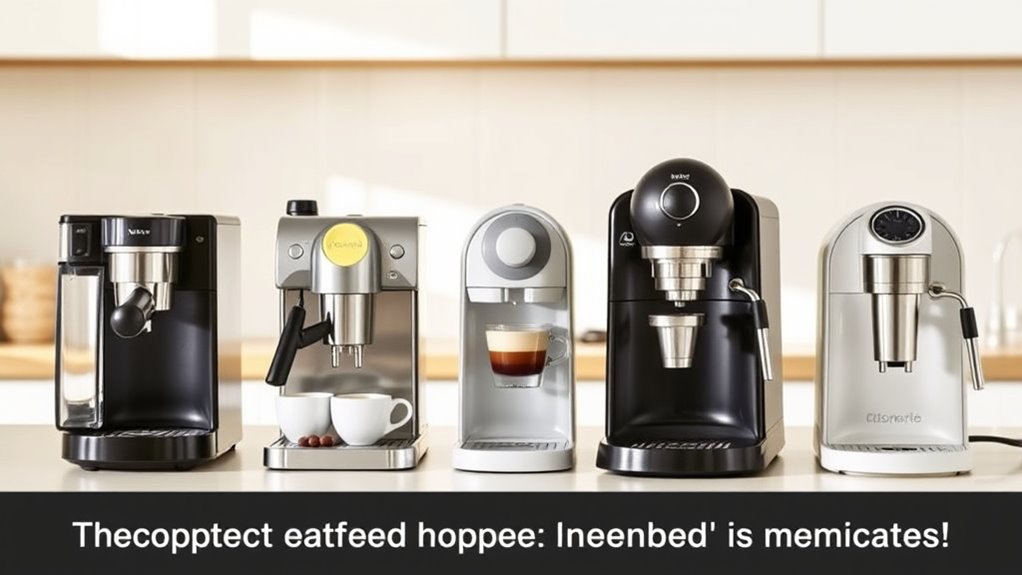

If you’re new to making espresso at home, choosing the right machine can feel overwhelming. The market offers a range of options, from simple capsule models to semi-automatic machines with manual controls. For beginners, the key is finding a balance between ease of use, affordability, and the ability to make quality drinks. The HBN Espresso Machine stands out for its straightforward operation and compact size, perfect for small spaces. Meanwhile, the Casabrews CM5418 offers more professional pressure for richer espresso, but it requires some manual control that might challenge complete novices. Each of these picks has its own tradeoffs—either in complexity, size, or features—so I’ll walk you through who each is best suited for and what compromises you’ll face.

Get travel and outdoor gear delivered free with Prime
- Fast, free delivery on millions of items
- Prime Video, Amazon Music and more included
- Member-only deals all year
Complete the kit

Key Takeaways
- The HBN Espresso Machine excels in simplicity and size, ideal for beginners wanting quick, decent drinks without fuss.
- The Casabrews CM5418 offers more professional pressure and milk frothing, suited for those ready to learn some manual control.
- Machines with higher pressure (20 bar) generally produce richer espresso, but often come with steeper learning curves.
- Compact models save space but may have limited capacity and fewer advanced features.
- Ease of use often means sacrificing some drink customization or volume for straightforward operation.
| HBN Espresso Machine, 3.5Bar Cappuccino & Latte Maker, 2-4 Cup Stainless Steel Coffee Machine with Milk Frother, 800W |  | Best for Easy, Compact Use | Carafe water level gauge: Yes | Milk Frother: Yes | Removable & washable drip tray: Yes | VIEW ON AMAZON | See Our Full Breakdown |
| Casabrews CM5418 Compact Espresso Machine with Milk Frother |  | Best for Semi-Automatic Control & Style | Wattage: 1350 W | Pressure: 20 bar | Water Tank Capacity: 34 oz | VIEW ON AMAZON | See Our Full Breakdown |
| Atatix Espresso Machine with Milk Frother, 20 Bar Pressure |  | Best for Precise Control & Compact Design | Pressure: 20 bar | Temperature Range: 90-96°C | Water Tank: Detachable | VIEW ON AMAZON | See Our Full Breakdown |
| CASABREWS 3700 Essential Stainless Steel Espresso Machine with Steam Wand |  | Best for Classic Style & Multi-Drink Flexibility | Water Tank Capacity: 43.9 oz | Power: 1350 W | Pressure: 20 bar | VIEW ON AMAZON | See Our Full Breakdown |
| XIXUBX Espresso Machine with Milk Frother |  | Best for Quick, Space-Saving Performance | Pressure: 20 bar | Brewing Time: 22-30 seconds | Temperature Control: PID | VIEW ON AMAZON | See Our Full Breakdown |
| espresso machine for beginner | Pressure |
|---|---|
| HBN Espresso Machine | 3.5 bar |
| Casabrews CM5418 Compact Espre | 20 bar |
| Atatix Espresso Machine with M | 20 bar |
| CASABREWS 3700 Essential Stain | 20 bar |
| XIXUBX Espresso Machine with M | 20 bar |
More Details on Our Top Picks
HBN Espresso Machine, 3.5Bar Cappuccino & Latte Maker, 2-4 Cup Stainless Steel Coffee Machine with Milk Frother, 800W
The HBN Espresso Machine stands out for its ultra-compact size and simple one-knob operation, making it ideal for those just starting out. Its 3.5-bar pressure system is lower than professional machines but enough for decent espresso and milk drinks. Compared with more advanced options, it doesn’t include digital controls or multiple brew settings, which keeps things straightforward but limits customization. The fast steam wand creates micro-foam in just 40 seconds, perfect for quick morning drinks. However, its small capacity of 2-4 cups per brew might be limiting for larger households or frequent use. Still, it delivers good value for those prioritizing simplicity and space.
Pros:- Compact size fits small kitchens or offices
- Brews quality espresso, cappuccinos, and lattes
- Simple operation with one knob control
- Fast steam wand produces micro-foam quickly
Cons:- Limited to 2-4 cups per brew
- No digital display or advanced features
- Requires medium-coarse grind for best results
Best for: Beginners who want a small, easy-to-use machine for occasional espresso or milk-based drinks.
Not ideal for: Users seeking high-volume brewing or advanced control features.
- Carafe water level gauge:Yes
- Milk Frother:Yes
- Removable & washable drip tray:Yes
- Operation Mode:Semi-Automatic
- Wattage:800 watts
- Pressure:3.5 bar
Our verdict“A solid beginner machine for small spaces that values simplicity over advanced features.”
Casabrews CM5418 Compact Espresso Machine with Milk Frother
The Casabrews CM5418 offers a more professional feel with a 20-bar pressure system, making it a good step up for beginners ready to try more authentic espresso. Its sleek stainless steel design adds aesthetic appeal, and the removable water tank simplifies refilling. The machine’s powerful steam wand allows for better milk frothing, supporting more milk-based drinks and latte art. The main tradeoff is that it requires some manual control, meaning you’ll need to learn the proper tamping, extraction timing, and cooling down periods after frothing. For beginners interested in developing barista skills, this model provides a nice balance of control and quality, but it’s less forgiving for absolute novices.
Pros:- Stylish, compact stainless steel design
- 20-bar pressure system for rich extraction
- Powerful steam wand for milk frothing
- Removable water tank for convenience
Cons:- Requires cooling down after frothing before brewing
- Operation may be complex for total beginners
- Semi-automatic controls demand some manual skills
Best for: Beginners willing to learn manual operation and produce richer espresso with a professional touch.
Not ideal for: Those who prefer plug-and-play simplicity or have limited space for a larger machine.
- Wattage:1350 W
- Pressure:20 bar
- Water Tank Capacity:34 oz
- Operation Mode:Semi-Automatic
Our verdict“A good choice for beginners ready to explore manual controls and produce professional-style espresso.”
Atatix Espresso Machine with Milk Frother, 20 Bar Pressure
The Atatix Espresso Machine packs a 20-bar pressure system into a small, space-saving design. Its PID temperature control ensures consistent brewing temperatures, which helps new users get a feel for proper extraction. The included steam wand produces dense microfoam, ideal for lattes or cappuccinos. While it offers good control, manual extraction requires some understanding of tamping, grind size, and timing—potentially a hurdle for complete beginners. Its compact size makes it perfect for small kitchens or offices, but it’s less suited for users who want high-volume brewing without extra effort.
Pros:- Produces rich espresso with crema
- Includes a milk frother for various drinks
- Compact and easy to clean
- Precise temperature control with PID
Cons:- Manual extraction may require some skill
- Limited capacity for larger quantities
- Build quality may vary
Best for: Beginners interested in precise temperature control and learning manual espresso techniques.
Not ideal for: Users seeking a fully automated experience or high-volume output.
- Pressure:20 bar
- Temperature Range:90-96°C
- Water Tank:Detachable
- Dimensions:Compact design
Our verdict“A strong choice for beginners who want some control and consistency in their espresso-making.”
CASABREWS 3700 Essential Stainless Steel Espresso Machine with Steam Wand
The CASABREWS 3700 provides a traditional approach with a 20-bar pressure system and a sturdy stainless steel build. It is designed to make a range of espresso-based drinks with ease, including lattes and cappuccinos, thanks to its powerful steam wand. Its larger water tank allows for multiple shots before refilling, which benefits users who want to practice or serve multiple drinks in one session. However, the initial setup and learning curve can be steep for absolute beginners, especially with its manual controls. It’s better suited for those who want a more ‘barista-like’ experience at home or in small offices, with some patience for learning.
Pros:- Professional-quality espresso and milk froth
- Large water tank for multiple brews
- Stylish stainless steel design
- Includes all necessary accessories
Cons:- Requires initial setup and understanding of operation
- May be challenging for complete novices
- Limited to home or small office use
Best for: Beginners committed to learning proper espresso techniques and making multiple drinks at once.
Not ideal for: Those seeking a fully automatic, ‘set-and-forget’ machine or minimal setup.
- Water Tank Capacity:43.9 oz
- Power:1350 W
- Pressure:20 bar
- Material:Stainless steel
Our verdict“Ideal for beginners willing to invest time in learning manual brewing for professional results.”
XIXUBX Espresso Machine with Milk Frother
The XIXUBX Espresso Machine is designed for those with busy mornings and limited space. Its 20-bar pressure system and PID temperature stabilization ensure consistent shots, while the quick brew cycle (22-30 seconds) means you get your coffee fast. The included milk frothing pitcher and steam wand make it easy to craft lattes and cappuccinos on the spot. It’s especially appealing for compact kitchens or small offices, but its limited shot capacity and manual tamping process mean it’s less suited for high-volume or highly customized drinks. For quick, quality espresso, this machine offers a good balance of speed and control.
Pros:- Compact design fits small spaces
- Fast brewing cycle for busy mornings
- Includes milk frother and pitcher
- Consistent temperature for balanced flavor
Cons:- Limited to single/double shots
- Requires proper grinding and tamping
- No built-in grinder
Best for: Busy individuals needing quick, quality espresso in small spaces.
Not ideal for: Users wanting high-volume, fully automatic machines or advanced customization.
- Pressure:20 bar
- Brewing Time:22-30 seconds
- Temperature Control:PID
- Design:Vertical, space-saving
Our verdict“A practical choice for those who want quick, decent espresso without complexity.”

How We Picked
Our selection process focused on machines that combine user-friendly operation with the ability to produce quality espresso, specifically targeting beginners. We prioritized models with semi-automatic controls, straightforward interfaces, and reasonable price points. Durability and size also played roles, as many new users want a compact, reliable machine that fits into a home or small office. We compared pressure systems, steaming capabilities, and user controls, weighing the tradeoffs between automation, manual control, and space. Our goal was to find options that provide good value without overwhelming first-time users, highlighting differences that matter for a beginner’s experience.
Factors to Consider When Choosing Espresso Machine For Beginners
Choosing a beginner-friendly espresso machine involves balancing simplicity, size, and the ability to produce good coffee without overwhelming features. The right machine should help you learn the basics of espresso extraction, milk frothing, and overall technique, without requiring extensive barista skills or a large investment. As you consider your options, think about how much control you want, how much space you have, and whether you’re okay with some manual steps versus automatic convenience.
Ease of Use
For beginners, machines with straightforward controls—like single knobs or simple buttons—reduce the learning curve. Semi-automatic machines with manual steam wands give more control but require some practice. If you prefer quick, consistent results with less fuss, choose models with fewer settings and automatic features.
Size and Capacity
Space is often limited in home kitchens or offices. Compact machines like the HBN or XIXUBX are ideal for small areas, but they typically have smaller water tanks and output capacities. Larger tanks mean fewer refills, but they also take up more space and may be heavier to move or store.
Pressure and Brew Quality
Higher pressure (around 15-20 bar) generally produces better espresso with richer crema. However, pressure alone doesn’t guarantee quality; extraction technique and grind size also matter. For beginners, a machine with good pressure and stable temperature control helps avoid common pitfalls like under-extraction or bitter shots.
Milk Frothing
If you want milk-based drinks, look for a machine with a dedicated steam wand. Manual wands provide more control but may be intimidating at first. Some beginner models include automatic frothing features, which simplify the process but might sacrifice some texture and finesse.
Frequently Asked Questions
Do I need to buy a grinder separately?
Most beginner espresso machines do not include a built-in grinder, so you’ll need to purchase one if you want to use freshly ground beans. Pre-ground coffee works fine for starting out, but a grinder allows you to fine-tune grind size, which is crucial for good extraction and flavor. Investing in a basic burr grinder can significantly improve your espresso results over time.
Is a higher pressure machine always better?
While higher pressure (like 20 bar) can help produce richer crema, it’s not the only factor for good espresso. The quality of the grind, tamping, and temperature stability are equally important. For beginners, a machine with stable pressure and good temperature control will often deliver better results than one with just high pressure but inconsistent operation.
Can I make milk-based drinks with any of these machines?
Yes, all these machines have steam wands or frothers that allow you to make cappuccinos, lattes, and other milk drinks. However, the quality of the froth depends on the wand’s power and your technique. Machines like Casabrews and CASABREWS 3700 have more powerful steam wands that can produce denser microfoam, which is better for latte art and creamy textures.
Are semi-automatic machines difficult to learn?
Semi-automatic machines do require some manual control, including tamping, timing, and frothing, which can seem daunting at first. However, with patience and practice, they offer more control over your coffee’s flavor. For complete beginners, starting with a machine that has guided features or simpler controls can ease the learning curve.
How much should I expect to pay for a good beginner espresso machine?
Prices for beginner machines typically range from around $100 to $300. More affordable models, like the HBN or XIXUBX, focus on simplicity and space-saving design, while slightly higher-priced options like Casabrews offer more control and features. Investing a bit more can improve durability and brewing quality, but it’s possible to find a very capable machine within a modest budget.
Conclusion
Choosing the right espresso machine for beginners really depends on your priorities. If you want something simple, space-efficient, and easy to operate, the HBN or XIXUBX are excellent choices. For those interested in developing their barista skills and craving richer, more controlled espresso, models like the Casabrews CM5418 or CASABREWS 3700 offer more manual control and higher pressure. Ultimately, consider your space, budget, and willingness to learn—these factors will help guide you to the best fit for your coffee journey.