
TL;DR

Get travel and outdoor gear delivered free with Prime
- Fast, free delivery on millions of items
- Prime Video, Amazon Music and more included
- Member-only deals all year
Media coverage of Raja Ampat has increased sharply, with 39 mentions in recent data, reflecting growing international interest. The reasons behind this surge are still unclear, but it highlights the region’s rising profile.
Media coverage of Raja Ampat, a renowned Indonesian archipelago known for its rich marine biodiversity, has surged dramatically in recent weeks. According to recent reports, there have been 39 mentions within this reporting window, a 39-fold increase from the baseline, signaling a significant rise in global attention. This surge is noteworthy as it suggests growing international interest in the region’s ecological and tourism appeal, though the exact trigger remains unconfirmed.
The increase in coverage is based on data from GDELT, which tracks global media mentions. The 39 mentions represent a substantial spike compared to previous periods, indicating heightened media focus. Experts suggest that this could be linked to recent environmental discoveries, new tourism initiatives, or increased coverage by international outlets, but no specific event has been officially identified as the cause. Local authorities and tourism officials have not yet issued statements explaining the surge.
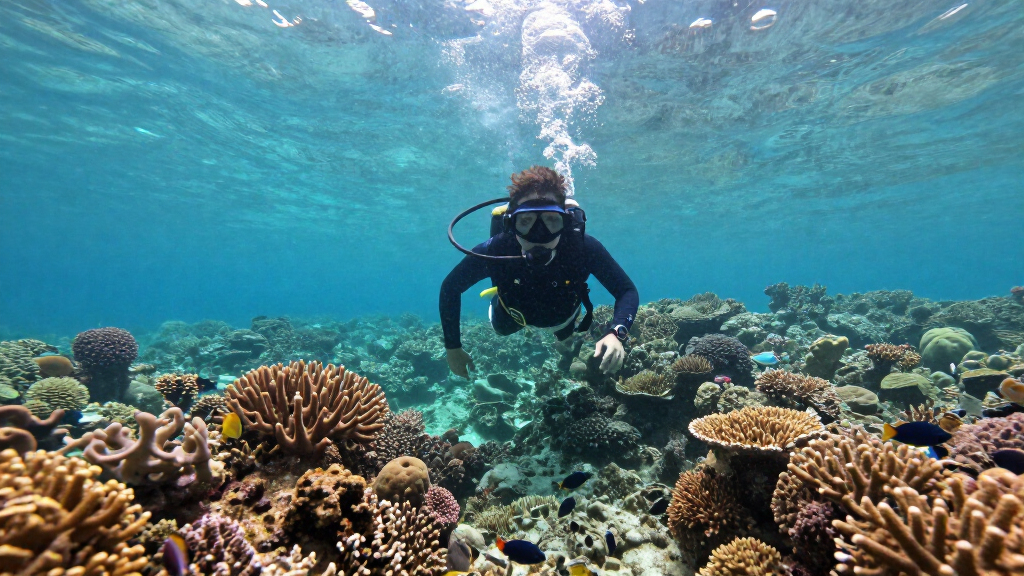
Raja Ampat, located off the northwest tip of Papua in Indonesia, is globally recognized for its pristine coral reefs, diverse marine life, and eco-tourism potential. Historically, it has attracted divers and nature enthusiasts, but recent trends show a rising profile in mainstream media and environmental discussions. The current spike in mentions could influence future tourism and conservation efforts, especially as travel companies like Expedia Group expand their coverage, but whether this will translate into concrete policy or increased visitor numbers remains uncertain.
Implications of the Media Coverage Spike for Raja Ampat
The sudden increase in media mentions elevates Raja Ampat’s profile on the global stage, potentially boosting tourism and raising awareness about its ecological importance. This heightened attention could lead to increased investment in conservation and infrastructure, but it also raises concerns about over-tourism and environmental impact. The lack of a confirmed trigger means stakeholders are watching closely to see if this trend sustains or was driven by a specific event that is yet to be disclosed. For local communities and policymakers, this surge could be a turning point in how the region is promoted and protected.As an affiliate, we earn on qualifying purchases.
Recent Trends in Raja Ampat’s Global Attention
Raja Ampat has long been regarded as a premier eco-tourism destination, especially among divers and marine biologists. Its reputation has been built over years through international media and environmental research highlighting its biodiversity. The current spike in mentions, as tracked by GDELT, is unusual in its scale, with 39 mentions in the recent window compared to a baseline of just one mention. Prior to this, coverage was relatively stable, focused mainly on environmental and tourism reports. The recent increase appears to be a trend signal rather than a confirmed event, with no official statement explaining the cause.marine biodiversity snorkeling kit
As an affiliate, we earn on qualifying purchases.
As an affiliate, we earn on qualifying purchases.
Unconfirmed Causes Behind the Coverage Increase
It is not yet clear what specific event or development triggered the surge in media mentions. The spike could be related to environmental discoveries, new tourism campaigns, or coverage by prominent international outlets, but no official source has confirmed the cause. The trend remains a signal rather than a confirmed development, and further investigation is needed to determine its origin and implications.As an affiliate, we earn on qualifying purchases.
Monitoring Future Media Trends and Regional Impact
Stakeholders will likely monitor media coverage closely to see if the trend sustains or intensifies. Authorities and tourism operators may prepare for potential increases in visitor interest or media inquiries. Researchers and environmental groups might also analyze whether the surge correlates with any ecological or policy developments. Official statements or events that could clarify the cause are expected in the coming weeks, which will help gauge whether this is a temporary spike or the start of a longer-term trend.As an affiliate, we earn on qualifying purchases.
Key Questions
What caused the surge in media coverage of Raja Ampat?
It is currently unconfirmed what specific event or development triggered the increase. The spike appears to be a trend signal rather than the result of a single confirmed incident.
Will this media attention lead to more tourism in Raja Ampat?
Potentially, increased media coverage can boost tourism interest, but it remains uncertain whether this will translate into actual visitor growth or sustainable development.
Are there environmental concerns linked to this surge?
While increased attention can raise awareness, it also risks over-tourism and environmental degradation if not managed carefully. No specific environmental issues have been reported in connection with this trend.
Has the Indonesian government commented on this trend?
No official statements have been issued yet. Authorities are likely observing the situation before making any public remarks.
How long might this media trend last?
It is too early to predict. The trend could be temporary or signal a longer-term shift in global interest, depending on future developments and coverage.
Source: gdelt
Halloween Picks
halloween
As an affiliate, we earn on qualifying purchases.