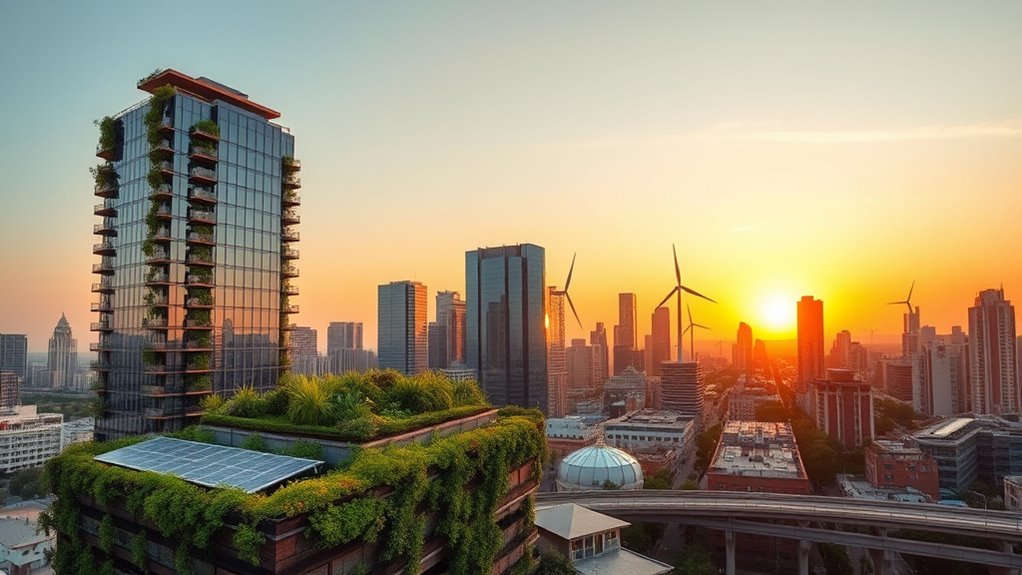

To build resilient cities against climate change, focus on implementing green infrastructure like parks, rain gardens, and permeable pavements that manage stormwater and reduce urban heat. These features help you absorb rain, cool urban areas, and improve air quality, all while engaging the community. Investing in such sustainable solutions lowers long-term costs and prepares your city for storms and heatwaves. Keep exploring to discover more effective strategies for shaping a resilient urban future.
Key Takeaways
- Implement green infrastructure such as parks, rain gardens, and permeable pavements to manage stormwater and reduce urban flooding.
- Incorporate green roofs and shaded areas to combat urban heat islands and improve city cooling.
- Engage communities in green initiatives to foster ownership, awareness, and collective resilience efforts.
- Invest in cost-effective, nature-based solutions to reduce reliance on grey infrastructure and lower long-term adaptation costs.
- Design cities with flexibility and sustainability in mind to enhance capacity to withstand and recover from climate-related stresses.
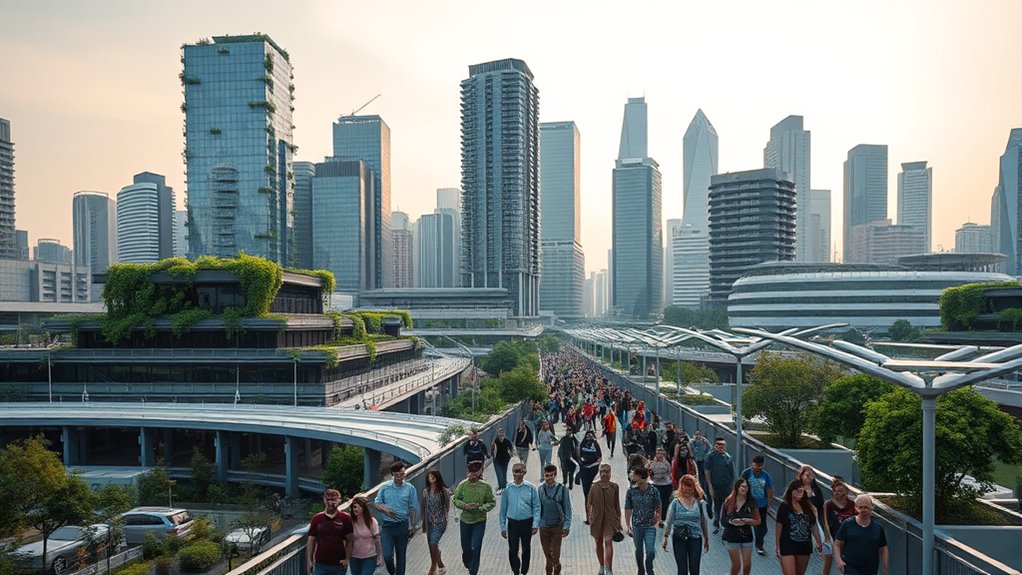
Have you ever wondered how communities can survive and thrive despite the growing impacts of climate change? One of the most effective strategies is investing in green infrastructure, which plays a essential role in enhancing urban resilience. Green infrastructure includes parks, green roofs, rain gardens, and permeable pavements that work together to manage stormwater, reduce urban heat islands, and improve air quality. By integrating these features into city planning, you help create a more adaptable and sustainable environment that can withstand extreme weather events and shifting climate patterns.
Investing in green infrastructure boosts urban resilience against climate change impacts.
When you prioritize green infrastructure, you’re actively building urban resilience. This resilience allows cities to bounce back more quickly from disasters such as flooding, heatwaves, or storms. For example, green roofs can absorb rainwater, reducing the burden on drainage systems and decreasing the risk of flooding. Similarly, urban parks and tree-lined streets not only provide shade and cooling but also serve as natural buffers that protect neighborhoods from the worst effects of heatwaves. You become part of a proactive approach that minimizes damage and keeps communities safer.
Implementing green infrastructure also encourages community engagement and awareness. When residents see the benefits firsthand—like cleaner air, cooler public spaces, and reduced flood risks—they’re more likely to support and participate in these initiatives. This collective effort fosters a sense of ownership and responsibility, strengthening the social fabric needed to adapt to climate challenges. As you advocate for policies that promote green infrastructure, you’re helping to create a city that’s more capable of withstanding climate stresses while also improving residents’ quality of life.
Moreover, green infrastructure is cost-effective in the long run. Although initial investments might seem high, the savings from reduced stormwater management costs, lower energy bills, and decreased healthcare expenses due to better air quality far outweigh the upfront costs. By focusing on natural solutions, you reduce reliance on grey infrastructure like concrete channels and dams, which are often more expensive to build and maintain. You’re supporting a resilient city model that emphasizes sustainability and adaptability, ensuring your community can endure the changing climate without losing its significance.
In essence, your role in promoting green infrastructure directly influences your city’s capacity to adapt and thrive amid climate change. It’s about creating a smarter, greener, and more resilient urban landscape—one that can withstand storms, heatwaves, and other climate impacts while offering a healthier environment for everyone. Through thoughtful planning and community involvement, you help turn the challenge of climate change into an opportunity for innovation and resilience.

Garvee 8x12ft Walk-in Greenhouse, Heavy Duty Large Outdoor Green House
- Easy and Fast Assembly: 40% quicker setup with pre-labeled parts
- All-Weather Durability: Supports heavy snow, rain, and wind
- Heavy-Duty Construction: Industrial-grade polycarbonate panels and reinforced frame
As an affiliate, we earn on qualifying purchases.
As an affiliate, we earn on qualifying purchases.
Frequently Asked Questions
How Do Urban Planners Prioritize Adaptation Projects in Cities?
You prioritize adaptation projects by evaluating city vulnerabilities and focusing on green infrastructure to reduce risks. You use zoning regulations to promote resilient development, ensuring new buildings and upgrades incorporate climate-friendly features. You also consider community needs and cost-effectiveness, balancing immediate safety with long-term sustainability. By integrating green infrastructure and zoning policies, you create a thorough plan that enhances resilience and adapts the city effectively to climate challenges.
What Funding Sources Support Climate Resilience Initiatives?
When it comes to funding climate resilience, you can tap into green bonds and public grants, which are like a breath of fresh inspiration for your projects. Green bonds provide investment capital specifically for sustainable initiatives, while public grants offer financial support from government agencies. These sources help you turn resilience ideas into reality, ensuring your city is better prepared for climate challenges without breaking the bank.
How Can Community Engagement Improve Adaptation Strategies?
You can improve adaptation strategies through public participation, which guarantees community needs are prioritized. By involving residents in decision-making, you foster community-led initiatives that are more effective and sustainable. Engaging local voices helps identify unique vulnerabilities and harnesses local knowledge, leading to tailored solutions. Active community engagement builds trust, encourages shared responsibility, and enhances resilience, making your city better prepared for climate impacts.
What Role Does Technology Play in Climate Adaptation?
Technology plays a vital role in climate adaptation by enabling smart infrastructure and data-driven decision making. You might think tech is only for advanced cities, but it helps all communities identify risks and respond faster. With smart infrastructure, you can optimize resources and improve resilience. Data-driven decisions give you real-time insights, allowing you to adapt proactively and effectively, ensuring your city stays resilient amid changing climate conditions.
How Do Policies Address Climate Equity and Vulnerable Populations?
Policies address climate equity and vulnerable populations by prioritizing environmental justice and guaranteeing inclusive decision-making. You’re encouraged to integrate policies that protect at-risk communities, providing targeted support and resources. This involves policy integration across sectors to address social disparities, reduce vulnerabilities, and promote equitable access to climate resilience measures. By focusing on environmental justice, you help ensure that all populations benefit from adaptation strategies, fostering fair and sustainable urban resilience.
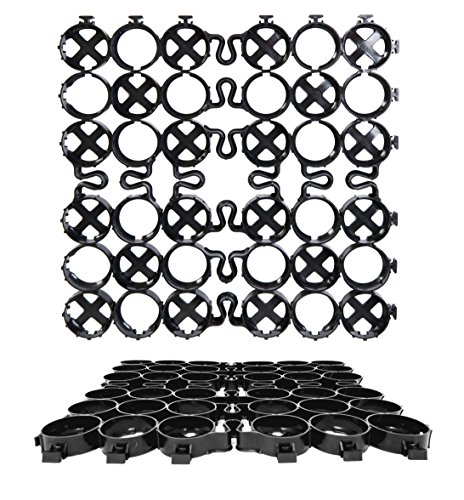
TRUEGRID | PRO LITE Permeable Paver | Driveway, Grass, Shed Base, Patio, RV Pad, Gravel, DIY Outdoor | 120,000 lb Load Class | All-Weather | Easy Install | Pack of 18 (72 Square Feet)
- Ease of Installation: Lightweight and DIY-friendly
- Made in USA: Constructed from 100% recycled HDPE
- All-Weather Durability: Suitable for all climates and soils
As an affiliate, we earn on qualifying purchases.
As an affiliate, we earn on qualifying purchases.
Conclusion
You can’t afford to ignore climate change anymore—every storm, heatwave, and flood is a wake-up call that your city’s future depends on bold, immediate action. By adopting resilient strategies now, you’ll protect your community from disasters that could wipe out entire neighborhoods overnight. The choices you make today shape a city so strong, so prepared, it’ll withstand anything Mother Nature throws at it—making your city a fortress of hope in a changing world.

Rain Bird GARDENKIT Drip Irrigation Kit
- Complete Drip Irrigation Kit: Water up to 4’ x 8’ raised beds
- Universal Compatibility: Suitable for all raised garden beds
- Durable Professional Components: Built to last for long-term use
As an affiliate, we earn on qualifying purchases.
As an affiliate, we earn on qualifying purchases.

Bonsai Tree Starter Kit – 8 Varieties Indoor Bonsai Trees Plant Seeds with Drainage Design Pots, Gardening Gifts for Women, High-Value Plant Gifts
- Variety of 8 Bonsai Seeds: Includes Jacaranda, Black Pine, Maple, and more
- Beginner-Friendly Kit: Pre-measured supplies with clear instructions
- All-in-One Gardening Set: Includes seeds, pots, soil, tools, and manual
As an affiliate, we earn on qualifying purchases.
As an affiliate, we earn on qualifying purchases.