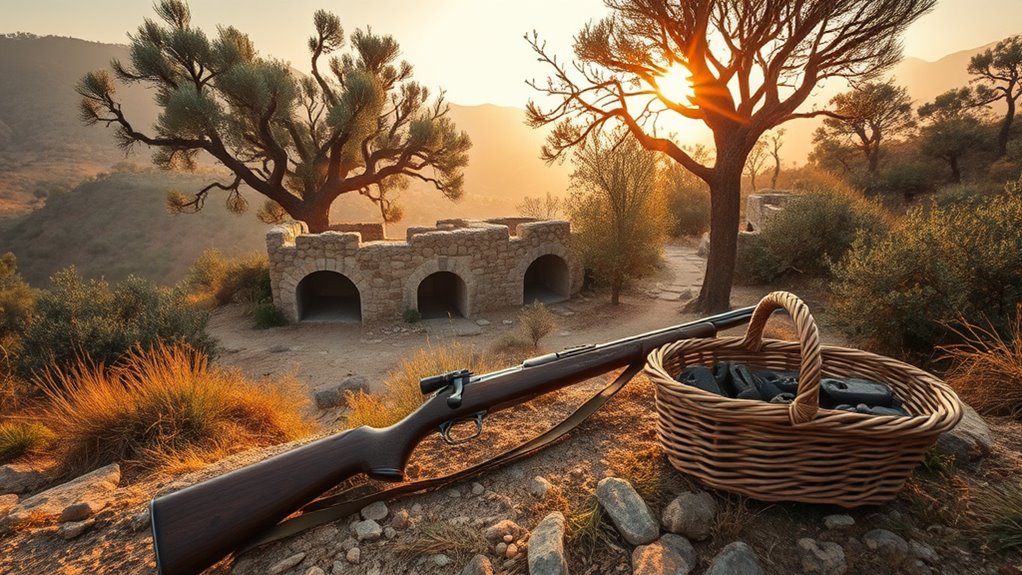

In Sardinia, hunting is a cherished tradition with strict regulations to guarantee sustainability and safety. You can hunt from July 1 to March 31, using methods like stalking, stand hunting, or driven hunts, targeting species such as wild boar, partridge, and hare. Hunters need a license, permits, and follow regional rules, especially in protected zones that restrict wild boar hunting to control diseases. To explore more about these customs and rules, keep going.

Get travel and outdoor gear delivered free — and shop member deals
- Fast, free delivery on millions of items
- Access to Prime Big Deal Days deals on October 6–7
- Prime Video, Amazon Music and more included
Key Takeaways
- Sardinian hunting season runs from July 1 to March 31, with species-specific restrictions and permitted methods.
- Hunters must hold a valid Italian Hunting License, regional permit, firearm license, and liability insurance.
- Hunting is a cultural tradition emphasizing community bonds, family participation, and respect for nature through sustainable practices.
- Wild boar hunting occurs from November to January, with zone-specific regulations due to disease control measures.
- Regional laws delineate hunting zones with restrictions, wildlife conservation efforts, and measures against illegal poaching.
As an affiliate, we earn on qualifying purchases.
Overview of Hunting Seasons and Schedule
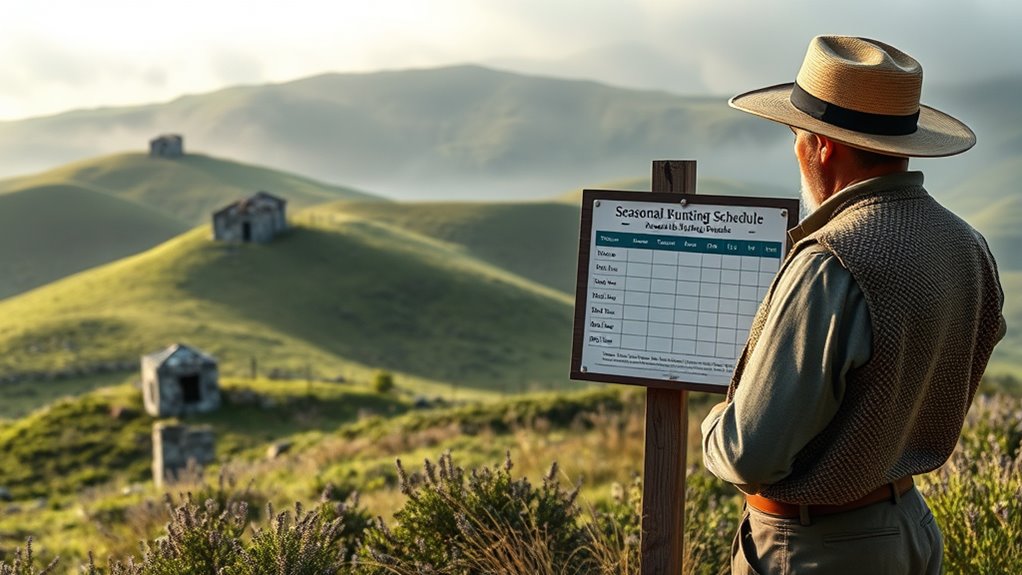
In Sardinia, the hunting season generally runs from July 1 to March 31, providing hunters with nearly nine months of activity. During this period, you can hunt on any day from Monday to Sunday, though specific species have restricted dates within the season. Migration patterns and conservation needs influence seasonal limits for migratory birds and small game. Wild boar hunting is confined to clear periods, often from early November to January, with specific days designated for different zones and methods. The calendar frequently adjusts yearly, with modifications like date shifts or restrictions on hunting days. Early autumn, mainly September and October, is reserved for Sardinian partridge and hare, with some species having afternoon-only hunting hours. The official hunting calendar, published annually by regional authorities, provides detailed regulations and dates for each species. These regulations aim to balance tradition, wildlife management, and ecological sustainability, aligning with conservation policies that promote responsible hunting practices.
As an affiliate, we earn on qualifying purchases.
Legal Framework and Permits for Hunters
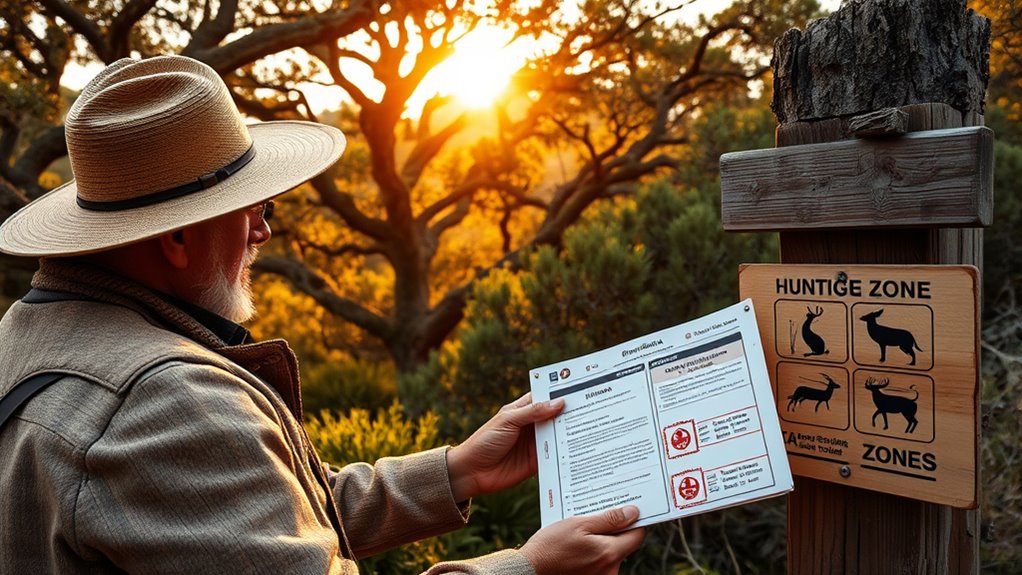
Understanding Sardinia’s hunting regulations starts with knowing the legal framework that governs your activities. You must follow national Italian laws and regional decrees, like the Decree of 22 August 2024, which define species and hunting periods. You need a valid Italian Hunting License, obtained by passing a government exam covering laws, species, and firearm safety. A regional permit, or Tesserino Regionale, is also required. Firearm licenses and liability insurance are mandatory, and foreign hunters are advised to rent firearms locally. Permits are issued after fulfilling legal requirements, and you must register each hunt and adhere to bag limits. Violations lead to fines or loss of privileges. The table below summarizes key permit aspects:
| Aspect | Requirement | Authority |
|---|---|---|
| Hunting License | Valid Italian license with exam | Italian Government |
| Regional Permit | Sardinian-specific hunting permit | Regional Authorities |
| Firearm License | Separate firearm license with safety checks | Italian Police |
| Insurance | Liability coverage required | Insurance Providers |
Additionally, the regional government’s recent decree has adjusted the hunting calendar for 2024/2025, affecting specific dates and species regulations. To ensure compliance, hunters should stay informed about regional regulations, which may change annually based on conservation needs.
As an affiliate, we earn on qualifying purchases.
Cultural Significance of Hunting in Sardinia
Hunting in Sardinia is more than just a sport; it’s a vital thread woven into the island’s cultural fabric. It connects you to generations of tradition, uniting families and friends during seasonal gatherings. The wild boar hunt symbolizes resilience and respect for nature, reflecting shared values of stewardship and coexistence. Through hunting, you participate in rituals that reinforce community bonds and local identity, often celebrated with ceremonies and meals. Knowledge and skills are passed down, emphasizing sustainable practices and cultural continuity. Hunting also supports rural life and local gastronomy, with wild game ingredients central to Sardinian cuisine. Despite modern regulations, these traditions endure, serving as a proof to Sardinia’s enduring cultural resilience and the deep-rooted importance of hunting in its social fabric. The tradition of wild boar hunting in Sardinia is also supported by a strong community network that actively preserves and promotes these customs for future generations. Additionally, modern AI security technologies are increasingly used to monitor and regulate hunting activities, ensuring compliance with conservation laws and promoting sustainable practices.
As an affiliate, we earn on qualifying purchases.
Common Methods and Practices in Wild Game Hunting
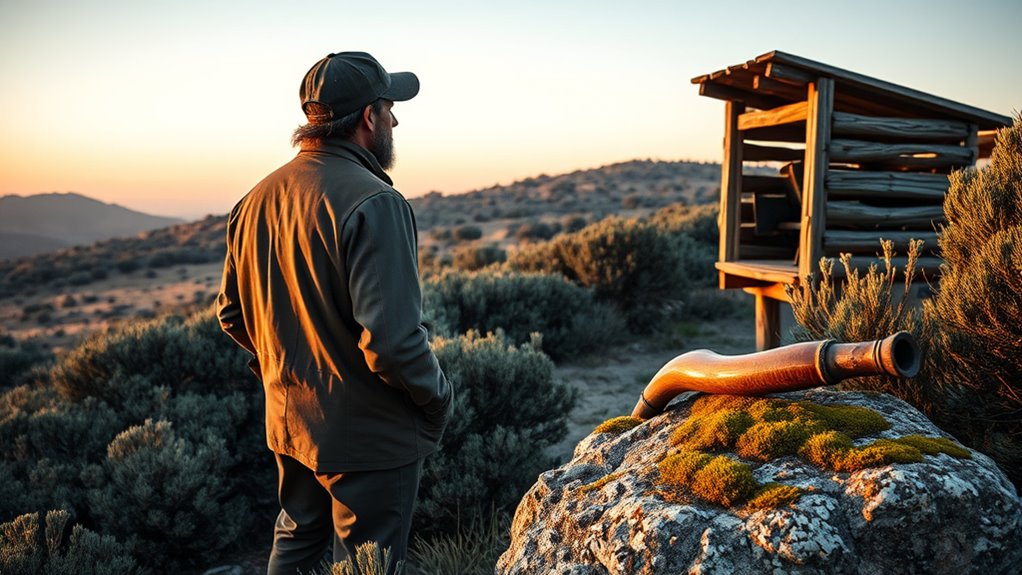
Wild game hunting in Sardinia employs a variety of methods tailored to the terrain and species targeted. You might stalk animals quietly on foot, staying downwind to approach deer closely. Alternatively, you can use stand hunting, where you wait patiently at vantage points near feeding grounds. Driven hunts involve teams beating the brush to push game toward waiting hunters, often for big game like fallow deer. Hide hunting uses blinds or camouflage to conceal your presence while waiting for game such as birds or wild boar to appear. You may also position near feeding sites or animal passage areas during dawn or dusk for better shot opportunities. These techniques, combined with specialized equipment like precision rifles, scopes, and camouflage, make certain and ethical hunting practices.
Key Species Targeted and Wildlife Management
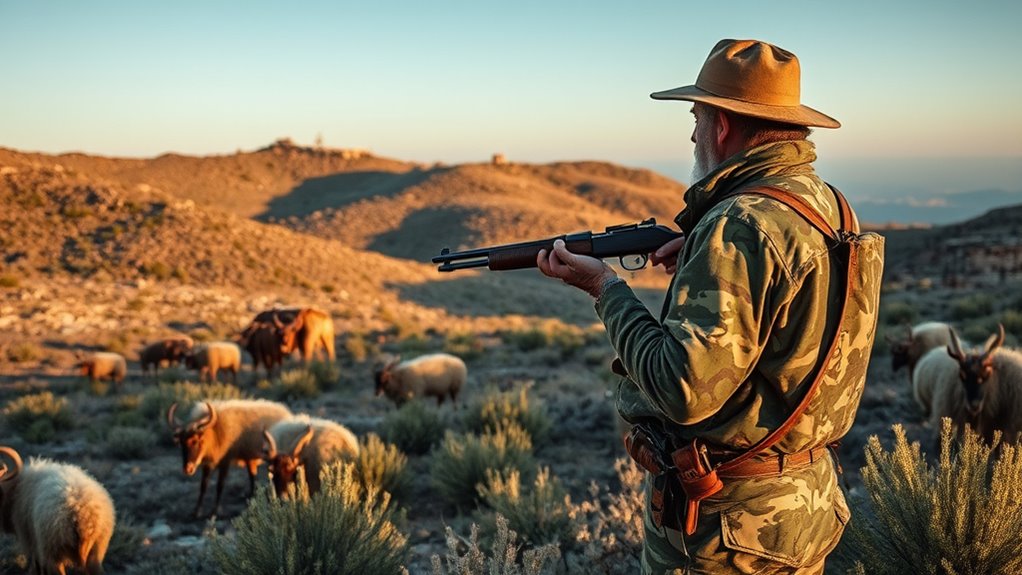
In Sardinia, targeting specific species requires knowledge of their habitats, behaviors, and legal protections. The wild boar is the main species hunted, from November 1 to January 31, under regulated seasons, representing a cultural staple. The Corsican red deer is strictly protected, with hunting prohibited due to conservation laws and EU directives. Common game species like the European hare and Sardinian partridge are hunted seasonally within established calendars. Despite protections, illegal poaching of songbirds such as thrushes, blackbirds, and robins persists, driven by their demand. Wildlife management efforts include habitat improvements, ecological corridors, and water source installations to support species like red deer. Regional laws and EU legislation regulate hunting activities, aiming for sustainable practices and reducing illegal activities, especially of protected species and migratory birds. Illegal trapping and slaughtering of migratory songbirds continue to threaten local populations despite ongoing conservation efforts.
Disease Prevention and Environmental Measures
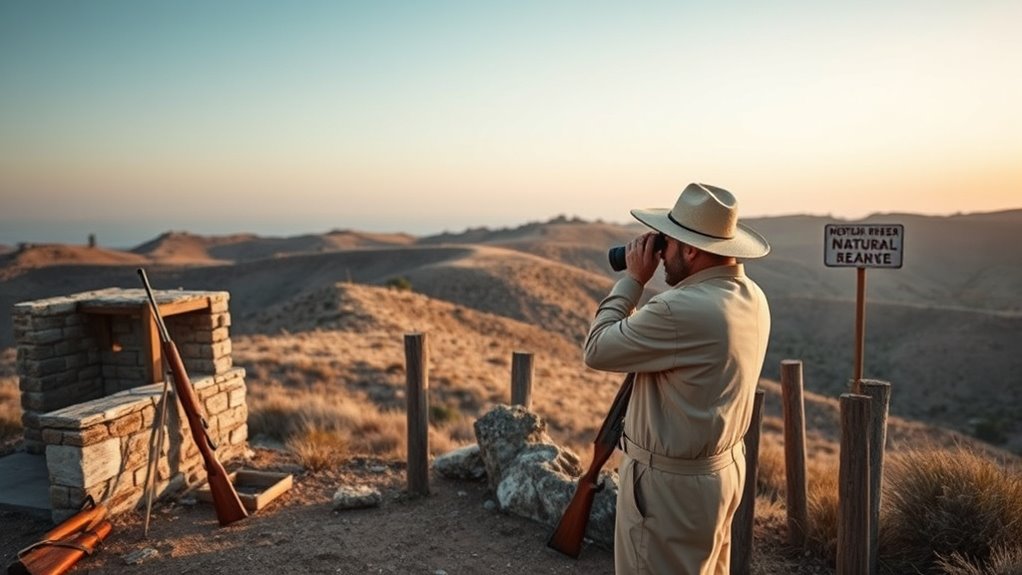
You play a key role in preventing the spread of African swine fever by following zone restrictions and supporting wildlife population management efforts. These measures help contain the disease and protect both wild and domestic pigs. Staying informed and compliant guarantees Sardinia’s hunting traditions remain sustainable and safe. Moreover, understanding the importance of wildlife management in controlling disease transmission is crucial for long-term success. Proper disease prevention practices, such as monitoring for signs of illness and avoiding contaminated areas, are essential components of these efforts.
ASF Zone Restrictions
Are you aware of how Sardinia’s hunting regulations adapt to prevent the spread of African swine fever (ASF)? The island is divided into zones with specific restrictions: Zone I (buffer), Zone III (stricter controls), and free zones where hunting resumes with minimal limits. In Zone III, especially in Nuoro and Ogliastra, wild boar hunting is heavily restricted to contain ASF. Zone I areas, like parts of Sassari, have partial restrictions. Outside these zones, hunting continues under standard rules after ASF eradication was declared. The recent regulation updates follow EU guidelines and regional health protocols, ensuring a coordinated approach to disease control. – Hunters must follow biosecurity measures, including equipment disinfection to prevent disease spread – Transport of carcasses is tightly regulated – Reporting of suspected ASF cases is mandatory – Hunting restrictions fluctuate based on disease status and environmental needs
Wildlife Population Management
Effective wildlife population management plays a pivotal role in preventing the spread of African swine fever (ASF) and safeguarding Sardinia’s ecosystem. Surveillance programs target wild boar and domestic pigs to monitor ASF prevalence, focusing on eliminating free-ranging pigs that serve as main virus reservoirs. Biosecurity protocols restrict animal movement and farm operations based on regional risk assessments. Recent serologic testing shows a significant decline in ASF antibodies among wild boar, and ongoing monitoring in remote zones keeps epidemiological risks low. Hunting and culling regulations aim to reduce wild boar densities, slowing disease transmission. Coordinated culling and hunter education promote biosecurity during hunting activities. Habitat modifications, like reducing water sources, help limit virus reservoirs without harming native species. ASF has been endemic on Sardinia since 1978, and controlling wild boar populations is essential for disease eradication. These measures work together to control disease while preserving Sardinia’s ecological balance. Additionally, implementing comprehensive surveillance systems enhances early detection and response efforts, further supporting disease control initiatives.
Regional Regulations and Restricted Zones

You need to understand how ASF zone restrictions shape hunting areas across Sardinia, as they limit access to certain regions. The regional boundaries define where you can hunt wild boar and other species, balancing conservation and safety. Knowing these boundaries helps you stay compliant and avoid penalties while enjoying your hunt. Accessible by plane or boat, ensuring you can reach these designated zones conveniently.
ASF Zone Restrictions
Have recent changes in Sardinia’s hunting regulations been driven by the eradication of African Swine Fever (ASF)? Yes, the European Commission declared the virus eradicated from most wild boar populations, leading to significant easing of restrictions. Most of Sardinia is now ASF-free, allowing hunters to resume regular activities. However, some zones still face restrictions:
- Zone III (parts of Nuoro and Ogliastra) retains hunting limits due to ASF legacy.
- Buffer zone (Zone I) in municipalities like Illorai and Bono enforces partial restrictions.
- In restricted zones, protocols may include testing or culling before hunting resumes.
- Transport of dogs, firearms, and ammunition is now unrestricted in ASF-free areas.
- The regional regulations are continually monitored to prevent reintroduction of the disease, ensuring sustainable hunting practices.
These adjustments reflect successful disease control efforts and regional health authority oversight, restoring traditional hunting practices in most of Sardinia.
Regional Hunting Boundaries
Sardinia’s hunting zones are carefully delineated by regional laws that aim to manage wildlife populations and protect delicate ecosystems. Boundaries follow natural features and land use types, separating hunted areas from protected or restricted zones. Specific zones may impose seasonal or species-specific restrictions to guarantee sustainability. Regional authorities and wildlife committees regularly update and enforce these boundaries, coordinating efforts to adapt to ecological needs. Protected areas, such as natural parks and reserves, are designated no-hunting zones, with buffer zones limiting activity nearby. Coastal wetlands and migratory bird habitats have seasonal restrictions. Hunting seasons are defined regionally, with dates varying by species and zone. Hunters must stay within authorized boundaries, avoiding restricted areas, and comply with regulations to support conservation and sustainable hunting practices. Wildlife management plays a crucial role in maintaining ecological balance and ensuring the long-term viability of hunting traditions.
Frequently Asked Questions
Are There Specific Age Restrictions for Hunting Licenses in Sardinia?
You wanna know about age restrictions for hunting licenses in Sardinia. You need to be at least 18 years old to get a license, aligning with Italian and European rules. Minors under 16 usually can’t hunt independently. To obtain your license, you must pass a qualification exam and meet health requirements. Sardinia’s laws prioritize safety, ensuring only responsible, fully trained adults hunt, with no provisions for junior licenses.
How Do Hunters Report Their Harvests to Authorities?
You report your harvests by filling out official hunting sheets with details like species, date, location, and number of animals taken. You can submit these forms in person, via fax, or online through regional portals for convenience. Be sure to do this promptly after hunting, as failing to report or providing false data can lead to penalties or license suspension, ensuring proper wildlife management and compliance with Sardinian regulations.
What Safety Equipment Is Mandatory During Hunting Trips?
During your hunting trips, you must wear certified safety gear, including high-visibility vests or jackets, blaze orange hats or armbands, and rugged footwear for terrain protection. Using professional-grade equipment from reputable brands is essential. Always hunt with a licensed guide to guarantee safety and compliance. This gear helps keep you visible, prevents accidents, and ensures you’re prepared for the regional hunting environment, making your trip safer and more responsible.
Are There Seasonal Variations for Specific Game Species Within the Main Season?
You’ll notice that different game species have varied hunting seasons. Mouflon and wild boar are allowed from October to January, while hare and partridge start in late September and end in December. Waterfowl, like ducks, extend from September to January. Some species, like woodcock, have shorter seasons due to recent legal restrictions. Always verify current regional rules to guarantee you’re hunting within the appropriate timeframe.
How Does Hunting Impact Local Wildlife Populations Long-Term?
You might think hunting only reduces wildlife numbers temporarily, but it shapes long-term populations too. By controlling species like wild boar, hunting prevents habitat damage, yet overhunting can lead to declines or even local extinctions, like wolves once faced. Your role as a hunter influences ecosystem balance—supporting conservation efforts while respecting species limits. Proper management guarantees hunting sustains wildlife diversity, blending tradition with ecological responsibility.
Conclusion
By understanding Sardinia’s hunting regulations and traditions, you can guarantee responsible practices that support local wildlife. Did you know that over 50% of hunters in Sardinia participate in conservation efforts? Respecting seasonal schedules, permits, and regional rules helps preserve the island’s rich hunting heritage and natural beauty. Embrace these traditions responsibly, and you’ll contribute to maintaining Sardinia’s unique wildlife and cultural legacy for generations to come.
Fall Picks
fall essentials
As an affiliate, we earn on qualifying purchases.