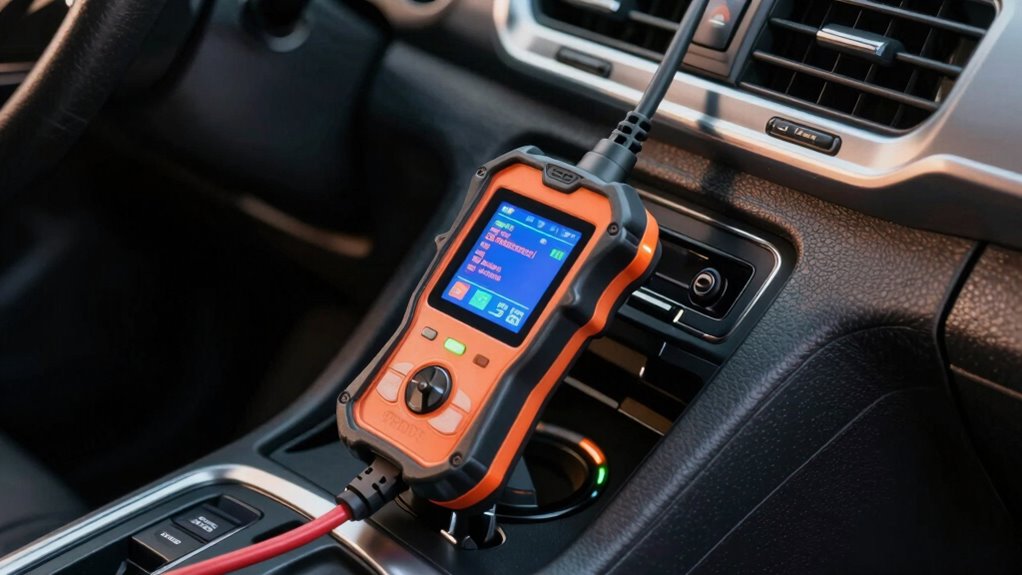

With an OBD2 scanner, you can often fix simple car problems yourself by understanding specific diagnostic codes. Common issues like engine misfires, ignition problems, or sensor errors are usually manageable with basic repairs such as replacing spark plugs, coils, or sensors. Emissions-related codes, like faulty oxygen sensors, can also be addressed easily. Keep in mind that not every code is fixable at home, but if you keep exploring, you’ll discover many issues you can solve on your own.

Get travel and outdoor gear delivered free with Prime
- Fast, free delivery on millions of items
- Prime Video, Amazon Music and more included
- Member-only deals all year
Key Takeaways
- Focus on active, performance, or safety-related codes for DIY repairs using an OBD2 scanner.
- Common fixable codes include spark plug, ignition coil, and fuel injector issues.
- Emissions-related codes, like faulty oxygen sensors or gas cap leaks, are often DIY repair candidates.
- Clearing codes after repairs confirms issues are resolved and helps maintain emissions compliance.
- Routine maintenance and inspecting electrical components can prevent many common OBD2 trouble codes.
Products Worth Considering

Travelpro Maxlite 5 21-Inch Softside Carry-On Spinner, Red

Samsonite Ascella 4 Carry-On Spinner Luggage, Cerulean Blue

GoPro Fluid Pro AI 3-Axis Gimbal Stabilizer
As an affiliate, we earn on qualifying purchases.
Understanding Your Check Engine Light and OBD2 Codes

Understanding Your Check Engine Light and OBD2 Codes
When your vehicle’s check engine light comes on, it’s a clear sign that something needs attention, but it doesn’t always mean a serious problem. It’s a helpful alert for vehicle maintenance, prompting you to investigate further. Using an OBD2 scanner, you can access car diagnostics and read the specific codes linked to the warning. These codes give you insight into what’s happening under the hood, guiding you on whether a simple fix or professional repair is needed. Understanding how your check engine light relates to OBD2 codes empowers you to take swift action, saving time and money. Additionally, exploring new frontiers in digital content can enhance your understanding of vehicle diagnostics. Remember, not every code signals an emergency, but paying attention to these signals helps keep your vehicle running smoothly and safely. Moreover, some common issues, like window regulator replacement, can often be identified through specific OBD2 codes, allowing you to tackle repairs yourself. Furthermore, utilizing an OBD2 scanner can help you detect passive voice in your writing, which is an essential skill for effective communication. Regular ADAS sensor calibration can also be crucial for ensuring that your vehicle’s safety systems are functioning correctly, especially when troubleshooting error codes. Additionally, using best automatic hair curlers can inspire you to embrace DIY solutions for various problems beyond just vehicle maintenance.
How to Identify Which Codes Need Your Attention
Sure! Here’s the revised article subheading content with your requested modifications:
—
Not all OBD2 codes indicate urgent issues; some are minor and can be addressed during routine maintenance. When you scan your vehicle, you’ll notice codes categorized as either “pending,” “stored,” or “active.” Focus on active codes that trigger your check engine light, as these often need immediate attention. Use your scanner’s info to determine which problems could impact car performance or safety. For minor issues, like those related to creative marketing or car customization, you might choose to monitor them over time instead of fixing right away. Prioritize codes that cause rough idling, stalling, or poor fuel efficiency. Additionally, implementing data-driven strategies can help you systematically address vehicle issues over time. Recognizing which codes demand swift action helps you stay on top of vehicle health and avoid bigger problems down the road. Additionally, understanding color accuracy can enhance your vehicle’s dashboard displays for a more intuitive experience. Engaging with regional flavors in vehicle customizations can also provide a unique touch that reflects personal style. Moreover, using an online tool can assist you in detecting and correcting passive voice in your writing, ensuring clearer communication. Regular maintenance, including gear care tips, is crucial to prolonging your vehicle’s lifespan and performance.
—
Feel free to ask if you need further modifications!
DIY Fixes for Engine Misfires and Ignition Problems
If your OBD2 scan reveals active codes related to engine misfires or ignition issues, tackling these problems yourself can save time and money. For vintage cars, check the spark plugs, ignition coils, and distributor cap for wear or damage, as these are common causes of misfires. Proper aftercare of electrical components can also prevent issues from arising. Additionally, ensuring that your wiring is properly insulated can help avoid future electrical problems. Modern hybrid systems can also trigger misfire codes; verify the hybrid’s spark or ignition components are functioning properly, and consider inspecting the hybrid battery’s health, which can influence ignition performance. Regular maintenance schedules can also help identify potential issues before they become significant problems. Using tools like airless paint sprayers for touch-ups can also enhance your DIY skills. If the problem persists, replacing faulty spark plugs or ignition coils is often a straightforward fix. Remember, always follow manufacturer guidelines and safety precautions, especially with older vehicles or complex hybrid systems, to avoid damaging sensitive components. Additionally, employing effective email marketing strategies can help you connect with professionals for further assistance or parts.
Troubleshooting Fuel System Codes and Sensor Issues

Fuel system codes and sensor issues can cause your engine to run poorly or trigger warning lights on your dashboard. When you see a fuel system code, it often points to problems like a clogged fuel injector or a faulty sensor. Start by inspecting the fuel injector for clogs or leaks. If the sensor is involved, it might need calibration to verify accurate readings. Sensor calibration involves resetting or replacing the sensor so it provides correct data to your vehicle’s computer. Use your OBD2 scanner to identify specific codes, then follow instructions to test or clean the fuel injector. If necessary, replace or recalibrate sensors to restore proper fuel mixture and engine performance. Understanding how to troubleshoot common issues can save time and money, keeping your vehicle running smoothly. Additionally, understanding LPGA achievements can inspire you to tackle complex problems with confidence, just like the remarkable women in golf who overcame challenges. Regular maintenance, including straining paint for airless sprayers, can prevent these issues from arising in the first place. Furthermore, regular inspections of insulated jackets can help protect you from harsh winter conditions while you work on your vehicle. Embracing technological advancements in diagnostics can also enhance your troubleshooting skills, allowing for quicker and more accurate fixes.
How to Address Emissions-Related Codes and Keep Your Car Passing
When your OBD2 scanner shows emissions-related codes, it’s vital to identify the root cause quickly. You can often fix common problems like faulty sensors or a loose gas cap to get your vehicle back in compliance. Proper diagnosis and prompt repairs will help guarantee your car passes emissions tests with ease.
Diagnosing Emissions Issues
Emissions issues can trigger warning codes that prevent your vehicle from passing inspection, but diagnosing and fixing these problems is straightforward with an OBD2 scanner. When you see an emissions-related code, start by checking the sensor readings to identify the faulty component. Sometimes, issues like a malfunctioning oxygen sensor or a loose gas cap can cause emissions problems. Additionally, keeping your vehicle in optimal condition can be as refreshing as enjoying aquatic exercise to enhance physical well-being. Ensuring your vehicle’s interior comfort isn’t compromised involves making sure no unnecessary exterior modifications interfere with sensors or exhaust systems. Smart locks and other security gear can also enhance your overall peace of mind while driving. By pinpointing the exact codes, you can focus on specific repairs, saving time and money. Regularly diagnosing emissions issues helps maintain your car’s efficiency and keeps it compliant with regulations, preventing surprises during inspection time. Understanding the implications of time-related dream symbols can also provide insights into how you perceive your vehicle’s performance and maintenance needs. Moreover, awareness of cutting-edge technology can empower you to leverage advanced diagnostics for more effective repairs.
Fixing Common Problems
To keep your car passing inspections, addressing emissions-related codes promptly is essential. Start by checking your battery maintenance; a weak or corroded battery can trigger emissions issues. Make certain your battery terminals are clean and fully charged. Next, verify tire pressure, as underinflated tires can affect emissions testing and fuel efficiency. Properly inflated tires help your vehicle run smoothly and reduce emissions. If your OBD2 scanner shows specific codes, research their causes and follow recommended fixes, like replacing a faulty oxygen sensor or fixing leaks in the EVAP system. Regular maintenance, including keeping your battery in good shape and maintaining proper tire pressure, minimizes emissions problems and helps your car pass emissions testing with ease. Additionally, consider essential off-road gear that can enhance your vehicle’s performance in various conditions.
Repair Tips for Oxygen Sensor and Catalyst Codes

If you’re dealing with oxygen sensor or catalyst error codes, replacing the faulty sensors is often the best solution to restore proper function. Once you’ve installed new sensors, you’ll want to clear the error codes to see if the issues are resolved. Keeping these components in good shape helps your vehicle run efficiently and pass emissions tests.
Replacing Oxygen Sensors
Replacing oxygen sensors is a crucial step in resolving catalyst and oxygen sensor codes, and doing it correctly can restore ideal engine performance. If you drive eco-friendly vehicles or perform hybrid engine diagnostics, replacing faulty sensors is especially important for efficiency and emissions. Start by locating the sensor—often near the exhaust manifold or catalytic converter—and disconnecting the wiring harness. Use the proper tools to remove the old sensor without damaging surrounding components. When installing the new sensor, thread it carefully to avoid cross-threading, then tighten it to the manufacturer’s specifications. Keep in mind, some sensors may be stubborn, so applying penetrating oil can help. Accurate replacement ensures your vehicle runs smoothly, reduces emissions, and keeps your hybrid or eco-friendly vehicle operating at peak performance.
Clearing Catalyst Error Codes
After replacing oxygen sensors or working on the exhaust system, the next step is clearing the catalyst error codes from your vehicle’s computer. This resets the system and guarantees accurate readings of catalyst efficiency and emissions compliance. Use your OBD2 scanner to delete the codes. Here’s a simple guide:
| Step | Action | Result |
|---|---|---|
| 1 | Connect scanner to OBD2 port | Prepare for code clearing |
| 2 | Select “Clear Codes” | Reset catalyst and oxygen sensor codes |
| 3 | Turn off ignition, then restart | Confirm codes are erased |
| 4 | Drive vehicle for a few miles | Allow system to re-evaluate catalyst efficiency |
Clearing these codes helps guarantee your vehicle remains emissions compliant and performs at its best.
Simple Repairs for Transmission and Drivetrain Trouble Codes

Dealing with transmission and drivetrain trouble codes can seem intimidating, but many issues are simple enough to address on your own with an OBD2 scanner. Recognizing these codes early helps you maintain automotive safety and avoid costly repairs. Common problems like a slipping transmission or a faulty sensor often trigger specific codes that you can interpret and fix yourself. For example, replacing a worn-out sensor or fluid can resolve the issue without professional help. Regular vehicle maintenance, like checking fluid levels and inspecting belts, supports smooth operation. Before attempting repairs, confirm your vehicle is on a flat surface and the engine is cool. Taking these steps empowers you to handle minor transmission and drivetrain issues confidently, saving time and money.
When to Call a Professional for Complex OBD2 Problems
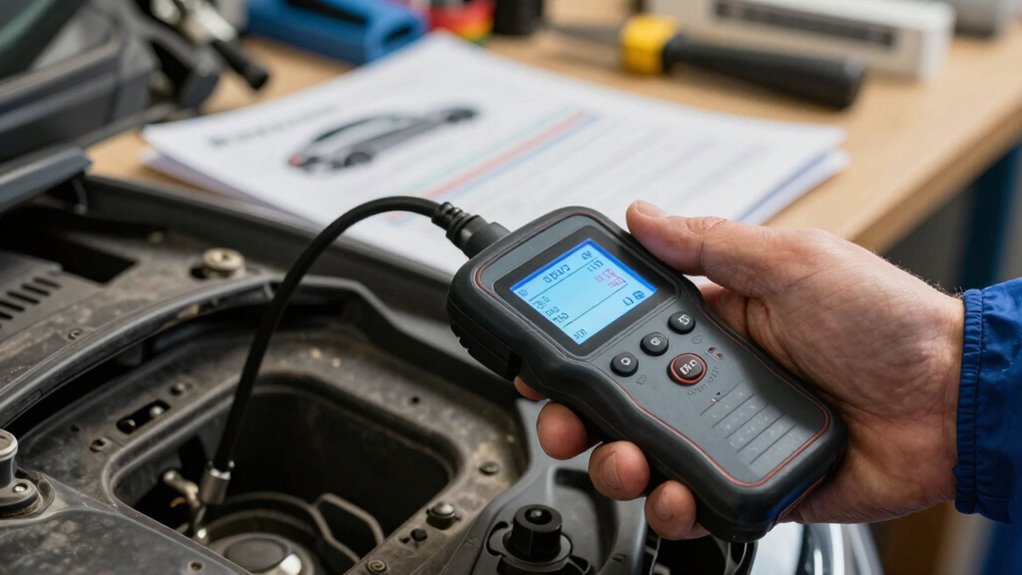
While some transmission and drivetrain issues can be straightforward to diagnose and fix with an OBD2 scanner, there are times when professional help becomes essential. If the error codes point to serious engine or safety system problems, it’s best to consult a qualified mechanic. Attempting complex repairs without proper training can lead to further damage or compromise road safety. For example, issues related to the transmission, ABS, or airbags often require specialized tools and expertise. Ignoring these problems risks worsening vehicle maintenance and safety. If your OBD2 scanner reveals persistent or unclear codes, or if you notice unusual driving behavior, it’s time to seek professional assistance. Prioritizing expert diagnosis guarantees your vehicle remains reliable and safe on the road.
Tools and Tips for Using Your OBD2 Scanner Safely and Effectively
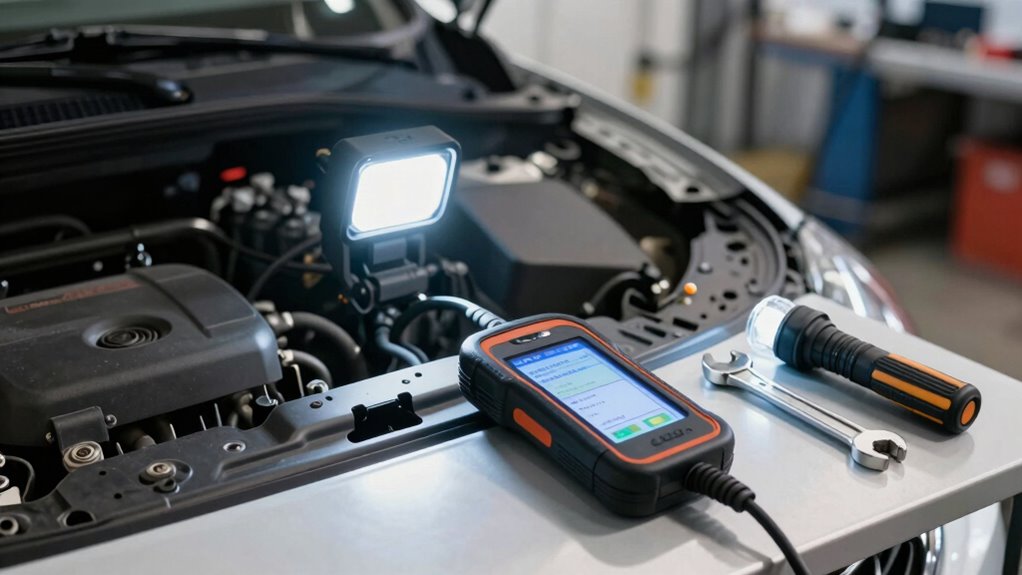
Using your OBD2 scanner effectively and safely involves understanding the right tools and techniques to interpret codes accurately. Start by ensuring your device is compatible with your vehicle, and always work in a well-lit, distraction-free environment. Properly referencing codes helps in vehicle maintenance or car customization, saving time and money. Use the scanner’s features to clear codes after repairs, but double-check before resetting. Keep your scanner clean and stored safely to prevent damage.
| Tool/Tip | Why It Matters | Emotional Benefit |
|---|---|---|
| Clear the codes carefully | Avoid misdiagnosis | Confidence in your skills |
| Use a reliable scanner | Accurate readings | Peace of mind |
| Follow manufacturer steps | Prevent damage | Trust in your vehicle’s health |
| Keep the device charged | Consistent performance | Satisfaction in DIY repairs |
| Document codes and fixes | Track vehicle history | Empowerment through knowledge |
Frequently Asked Questions
Can I Clear OBD2 Codes Without Fixing the Underlying Issue?
Yes, you can clear OBD2 codes without fixing the underlying issue using DIY diagnostics and simple code clearing techniques. However, it’s not recommended to overlook the root cause, as the problem might return or worsen. Use your scanner to clear codes after addressing the issue, but always diagnose thoroughly first. Rely on proper troubleshooting to ensure your vehicle runs smoothly and prevent future problems.
How Often Should I Scan My Vehicle for New Codes?
Think of scanning your vehicle like checking your heartbeat; regular checks keep you healthy. You should scan your vehicle every few months or during scheduled maintenance, especially if you notice any unusual behavior. Incorporate diagnostic procedures into your maintenance schedule to catch issues early. Frequent scans help you stay ahead of problems, ensuring your car runs smoothly and avoiding costly repairs down the road.
Are Aftermarket OBD2 Scanners as Reliable as Professional Tools?
Aftermarket OBD2 scanners can be quite reliable, but their compatibility varies. You’ll find many models offering good aftermarket compatibility, making them accessible and easy to use. However, professional tools tend to provide higher accuracy and more detailed diagnostics, especially for complex issues. If you’re a casual user, a quality aftermarket scanner may suffice, but for in-depth troubleshooting, professional accuracy remains the best choice.
Can OBD2 Codes Indicate Electrical System Problems?
Like a detective uncovering clues, you can use OBD2 codes to spot electrical system problems. These codes often signal issues in electrical diagnostics or sensor troubleshooting, making them invaluable tools. When your vehicle’s warning lights flash, an OBD2 scanner helps you identify if the problem lies in wiring, sensors, or connections. By interpreting these codes, you gain insight into your car’s electrical health, enabling targeted repairs.
Do All OBD2 Codes Require Immediate Repair or Inspection?
Not all OBD2 codes demand immediate repair or inspection. Sensor diagnostics and emission controls often trigger codes that indicate issues needing attention but not urgent fixes. Some codes point to minor problems, like a loose gas cap, which you can handle yourself. However, if a code relates to critical systems or ongoing warning lights, you should get it checked promptly to prevent further damage or emissions failure.
Conclusion
With your OBD2 scanner, you’re equipped to tackle many engine issues yourself—saving time and money. Imagine the relief of fixing simple problems like a misfire or sensor glitch, versus the stress of leaving complex diagnostics to a pro. While some codes are straightforward, others can be tricky. Knowing when to stop and seek help guarantees you keep your car running smoothly without turning minor fixes into major headaches.