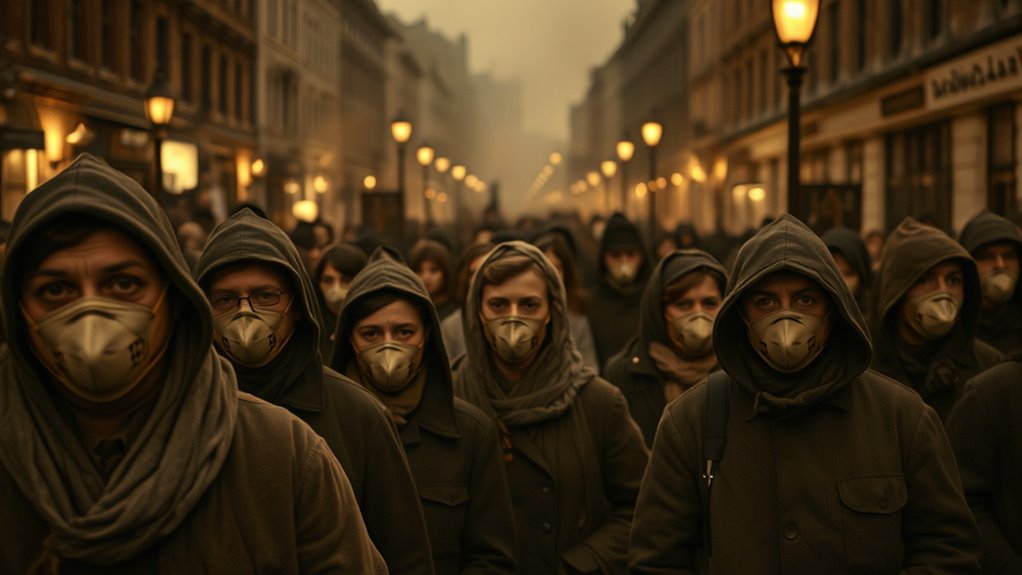

Throughout history, pandemics teach us the importance of swift action, scientific innovation, and coordinated efforts. Societies that isolated the infected, developed vaccines, and acted early minimized devastation. Lessons from events like the Black Death and 1918 flu show that preparedness and resilience save lives. Understanding past responses helps you see how modern strategies evolve, ensuring better protection for the future. If you continue exploring, you’ll discover even more about how history shapes today’s health defenses.
Key Takeaways
- Early pandemics show the importance of swift containment measures like quarantine to limit disease spread.
- Vaccine development has historically evolved from slow experimentation to rapid, scientific breakthroughs.
- Lessons from past outbreaks highlight the need for early, coordinated responses combining vaccination and social interventions.
- Understanding transmission and applying technological advancements have improved modern outbreak management.
- Preparedness, resilience, and learning from history are essential for minimizing health impacts during future pandemics.
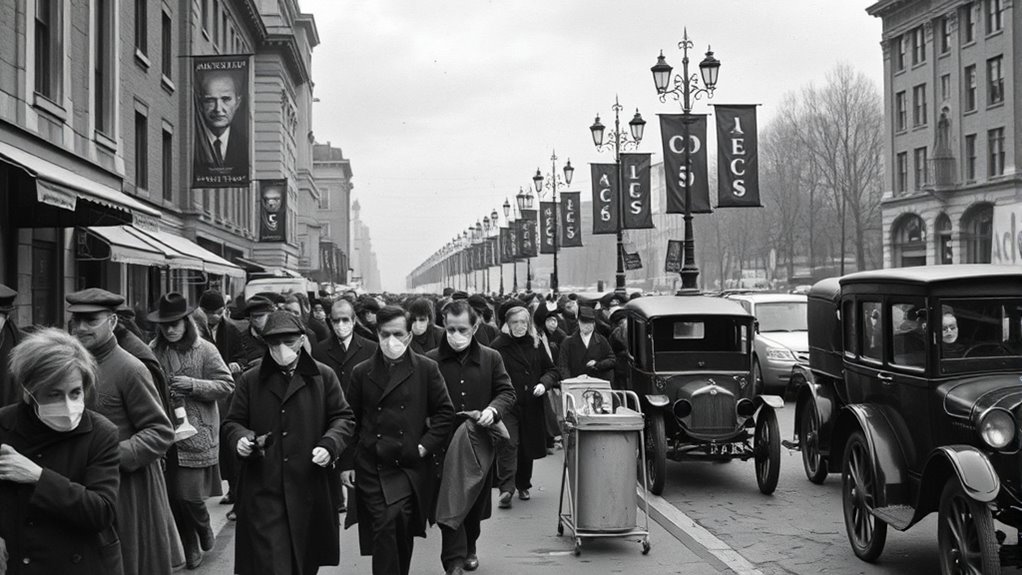
Have you ever wondered how societies have responded to deadly outbreaks throughout history? Throughout the ages, humans have faced devastating pandemics, and their responses reveal a lot about resilience and adaptability. When a new disease emerges, the first step often involves understanding how to control its spread. Vaccine development, for example, has been a pivotal tool in saving lives. In earlier centuries, scientists and physicians worked tirelessly to identify pathogens and create vaccines, although progress was slow compared to today. The introduction of smallpox vaccine in the 18th century marked a turning point, providing a powerful method to prevent future infections. Over time, advancements in science and technology have accelerated vaccine development, allowing modern societies to respond faster to emerging threats. Still, the process can be complex, requiring extensive research, testing, and global cooperation to guarantee safety and efficacy.
Alongside vaccine development, quarantine measures have historically played a crucial role in controlling outbreaks. When a deadly disease strikes, isolating infected individuals and restricting movement help prevent the spread. During the Black Death in the 14th century, cities implemented rudimentary quarantine tactics, such as isolating ships and inhabitants from affected areas. These measures, although sometimes harsh and imperfect, demonstrated an understanding that limiting contact could slow transmission. As knowledge of disease transmission improved, quarantine protocols became more refined and strategically applied. During the 1918 influenza pandemic, cities that enforced strict quarantine measures experienced fewer cases and deaths. Quarantine remains a essential public health tool, especially when vaccines are not yet available or during the early stages of an outbreak.
Throughout history, these responses—vaccine development and quarantine measures—have shaped how societies cope with pandemics. They reflect an ongoing struggle to balance public health with social and economic considerations. The lessons learned from past pandemics emphasize the importance of swift action, scientific innovation, and coordinated efforts. Today, as we face new and ongoing health crises, understanding the history of these responses can guide us toward more effective strategies. Whether it’s developing vaccines faster or implementing targeted quarantine measures, the goal remains the same: save lives and prevent widespread suffering. By studying how societies responded in the past, you can appreciate the importance of preparedness and resilience, knowing that these lessons continue to inform our fight against infectious diseases.
LEISURE ARTS Embroidery Kits for Adults, Spring Blooms, 6" – Perfect Embroidery Kit for Beginners, Easy-to-Follow Instructions Make It Fun All Skill Levels!
Experience the beauty of nature with the Leisure Arts Embroidery Kit 6" Spring Blooms, designed for crafting vibrant…
As an affiliate, we earn on qualifying purchases.
As an affiliate, we earn on qualifying purchases.
Frequently Asked Questions
How Did Ancient Societies Attempt to Control Pandemics?
You see that ancient societies tried to control pandemics by implementing quarantine measures, isolating the infected to prevent spread. They also used societal stigmatization, blaming certain groups or individuals, which often led to discrimination. These strategies aimed to limit infection, but they also caused social tension. While their methods were primitive compared to today, they reflect early understanding of disease transmission and the importance of containment during outbreaks.
What Were the Economic Impacts of Past Pandemics?
When a pandemic hits, you can expect economic disruption and trade decline to follow. Past pandemics often cripple economies, causing businesses to shut down and markets to plummet. People hoard resources, and travel restrictions further slow commerce. These setbacks can last for years, leaving communities to pick up the pieces. The lesson? Pandemics don’t just threaten health—they shake the very foundations of economic stability, revealing how interconnected and fragile our systems truly are.
How Did Pandemics Influence Art and Culture Historically?
Pandemics greatly influence art and culture by inspiring new forms of artistic expression and driving cultural shifts. When you experience widespread illness, you might see artists channel their fears and hopes into powerful works, reflecting societal changes. These events often lead to innovations in art styles, themes, and cultural values, helping societies process trauma and adapt. As a result, pandemics leave a lasting mark on creative expression and cultural evolution.
Were There Any Underestimated Diseases in Historical Pandemics?
You might think only big-name diseases caused chaos, but often, disease miscalculations led to overlooked pathogens that worsened pandemics. These underestimated illnesses, like typhus or certain strains of influenza, slipped through the cracks, catching societies off guard. It’s a reminder that sometimes, the smallest threats can turn into the biggest surprises. Don’t underestimate the power of silent, underestimated diseases—they can shake history in ways you never see coming.
How Have Public Health Responses Evolved Over Centuries?
Public health responses have evolved substantially over centuries. You now see quarantine measures being implemented swiftly to contain outbreaks, reducing disease spread. Vaccination strategies have become more advanced, targeting specific pathogens effectively. You’re encouraged to follow these measures closely, as they’re based on lessons from past pandemics. Today’s responses aim to protect populations better, minimize disruptions, and prevent future crises through coordinated efforts and scientific innovation.

EQTemp 1.94 cu. ft Vaccine Refrigerator, Medical Storage, Healthcare Fridge, Compact Glass Door- ACR22G
Built specifically for medical use: This pharmaceutical refrigerator includes an external readout of the interior temperature and the…
As an affiliate, we earn on qualifying purchases.
As an affiliate, we earn on qualifying purchases.
Conclusion
Just like the 1918 flu pandemic, which swept the world and left millions affected, history shows that outbreaks can shake society to its core. But each time, we’ve learned to adapt, innovate, and rebuild stronger. Remember, resilience is like a seed—you must nurture it through tough times to see it bloom again. By understanding our past, you’re better equipped to face future challenges, turning lessons into the foundation for a healthier tomorrow.

Family Emergency Kit | All-in-one Survival Kit Backpack for Earthquake, Flood, Disaster Relief, Civil Unrest & Outdoor – Survival Bag & Emergency Preparedness Kit for Families (4 Person)
✅【Compact Design】: Featuring a compact and lightweight 19"x15"x10" design, this backpack kit ensures effortless mobility while efficiently organizing…
As an affiliate, we earn on qualifying purchases.
As an affiliate, we earn on qualifying purchases.
No-Touch Thermometer for Adults and Kids, Accurate Digital Baby Thermometer, Fever Alarm & Silent Mode, 2 in 1 Forehead & Object Mode
Reliable & Accurate: Goodbaby Forehead Thermometer has been clinically tested and found to be a fast and absolutely…
As an affiliate, we earn on qualifying purchases.
As an affiliate, we earn on qualifying purchases.