

In Blue Zones, people live longer by embracing simple habits like eating mostly plant-based foods, practicing moderation, and maintaining strong social connections. They stay active and engaged with family and community, which boosts mental and emotional health. Their lifestyles show that small, consistent choices—like nourishing your body with nutrient-dense meals and fostering meaningful relationships—can markedly impact longevity. Keep exploring to discover more about these life-changing secrets and how you can apply them.

Get travel and outdoor gear delivered free with Prime
- Fast, free delivery on millions of items
- Prime Video, Amazon Music and more included
- Member-only deals all year
Key Takeaways
- Blue Zones residents follow plant-based diets rich in vegetables, fruits, nuts, and legumes, with minimal processed foods.
- Strong social connections and community engagement are essential for mental and emotional well-being.
- Practicing the “80% rule” and moderation in eating supports healthy aging.
- Active lifestyles and meaningful relationships contribute to longer, healthier lives.
- Small daily lifestyle choices, not just genetics, play a key role in longevity across Blue Zones.
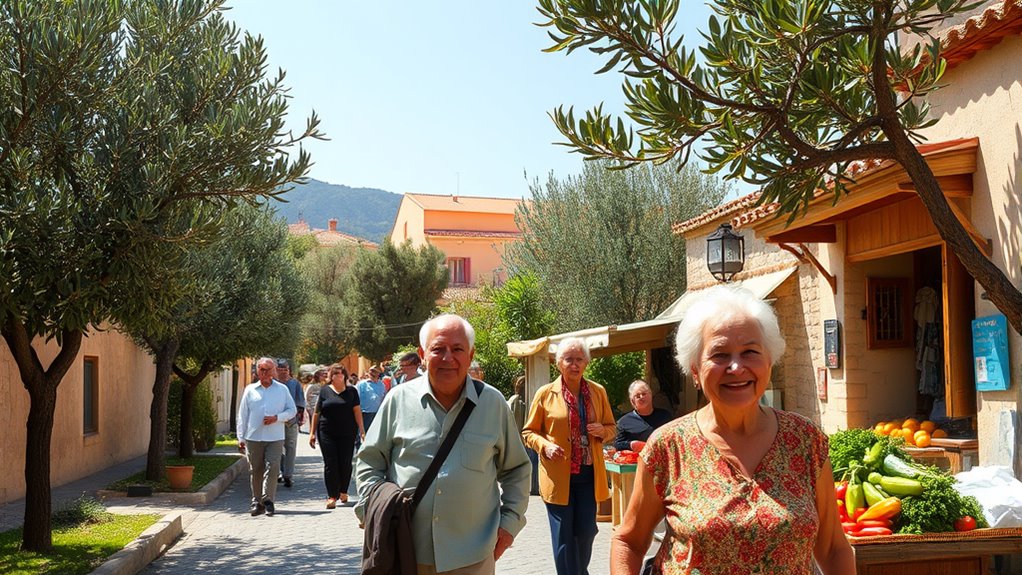
Have you ever wondered why some communities live considerably longer than others? The answer often lies in their lifestyle choices, especially their diet patterns and social connections. In Blue Zones—regions like Okinawa, Sardinia, Ikaria, Nicoya, and Loma Linda—people regularly reach ages well beyond 100, and their secrets are surprisingly simple yet powerful. You can adopt some of these habits to enhance your own longevity.
First, consider your diet patterns. In Blue Zones, people tend to eat plant-based diets rich in vegetables, fruits, whole grains, nuts, and legumes. They rarely consume processed foods or sugary snacks. Instead, their meals are modest but nutrient-dense, supporting overall health and reducing inflammation. Many also practice the “80% rule”—eating until they’re about 80% full—preventing overeating, which is linked to longer life spans. Incorporating more plant-based foods into your daily routine and mindful portion control could make a significant difference for your health. The focus isn’t on strict dieting but on creating sustainable, balanced eating habits that nourish the body and prevent chronic illnesses.
Equally important are social connections. In Blue Zones, community plays a vital role in longevity. People maintain strong bonds with family, friends, and neighbors, creating a support network that encourages healthy behaviors and emotional well-being. These social ties provide a sense of belonging and purpose, which studies show are critical to a long, happy life. You might notice that elders in these communities stay active and engaged because they’re surrounded by loved ones and participate in communal activities. Making an effort to nurture your relationships, join local groups, or volunteer can boost your mental health and even extend your lifespan. Social connections reduce stress, promote positive emotions, and give you a sense of purpose—key ingredients for a long life. Additionally, research indicates that understanding production quantity variance can help manage resources efficiently, which can be metaphorically applied to managing your social and physical well-being for better health outcomes.
Living like those in Blue Zones doesn’t mean you have to relocate to a different country. Small changes in your diet patterns and social life can have profound effects. Prioritize eating more whole, plant-based foods and cultivating meaningful relationships. By doing so, you’re not just adding years to your life but also making those years healthier and more enjoyable. Embracing these simple yet impactful habits can help you unlock the secrets of longevity that have fascinated researchers for decades. Remember, longevity isn’t just about genetics; it’s about the choices you make every day.
As an affiliate, we earn on qualifying purchases.
Frequently Asked Questions
How Do Blue Zones Influence Modern Healthcare Practices?
Blue Zones influence modern healthcare practices by emphasizing community engagement and preventative care. You’re encouraged to adopt lifestyle habits from these regions, which promotes healthier living and reduces healthcare costs. Policymakers integrate Blue Zones principles into healthcare policy to foster supportive environments, improve public health outcomes, and create communities that prioritize wellness and longevity. This shift helps you stay healthier longer, benefiting both individuals and the broader healthcare system.
Are Blue Zones Diets Suitable for All Age Groups?
Blue Zones diets are generally suitable for all age groups, but you should focus on age-specific nutrition and diet customization. As you age, your nutritional needs change, so adjusting portions and food choices helps support health and longevity. Incorporate more plant-based foods, healthy fats, and lean proteins tailored to your age. Always consult with a healthcare professional to guarantee the diet aligns with your individual health requirements and lifestyle.
What Role Does Genetics Play in Blue Zones Longevity?
Genetics play a significant role in longevity, but they aren’t the only factor. Your genetic predisposition and hereditary factors can influence how long you live and your resilience to age-related diseases. However, lifestyle choices, diet, and environment often have a greater impact. By maintaining healthy habits, you can counteract genetic risks and boost your chances of a longer, healthier life, regardless of hereditary factors.
Can Urban Environments Replicate Blue Zones Lifestyles?
Did you know that urban environments can foster Blue Zones lifestyles through intentional urban planning? By designing walkable neighborhoods, green spaces, and promoting community engagement, you can encourage physical activity and social connections crucial for longevity. While replicating Blue Zones isn’t automatic, thoughtful urban planning helps create healthier, more connected communities, making it possible to adopt their secrets of longevity right in your city.
How Can Individuals Incorporate Blue Zones Habits Daily?
You can incorporate Blue Zones habits daily by adopting Mediterranean eating, focusing on fresh fruits, vegetables, and healthy fats. Prioritize social engagement by spending quality time with friends and family, fostering strong connections. Incorporate regular physical activity, like walking or gardening, and manage stress through mindfulness. Small, consistent changes in your diet, social life, and activity levels help you emulate Blue Zones longevity habits for a healthier, longer life.
As an affiliate, we earn on qualifying purchases.
Conclusion
You now know that Blue Zones are regions where people live considerably longer, with some reaching over 100 years. In fact, the residents of Okinawa, Japan, have the highest concentration of centenarians, with about 1 in 3 women living past 90. By adopting their simple lifestyle habits—like a plant-based diet, regular activity, and strong community—you can boost your own longevity. Embrace these secrets to add healthy, happy years to your life.
As an affiliate, we earn on qualifying purchases.
As an affiliate, we earn on qualifying purchases.
Halloween Picks
halloween
As an affiliate, we earn on qualifying purchases.