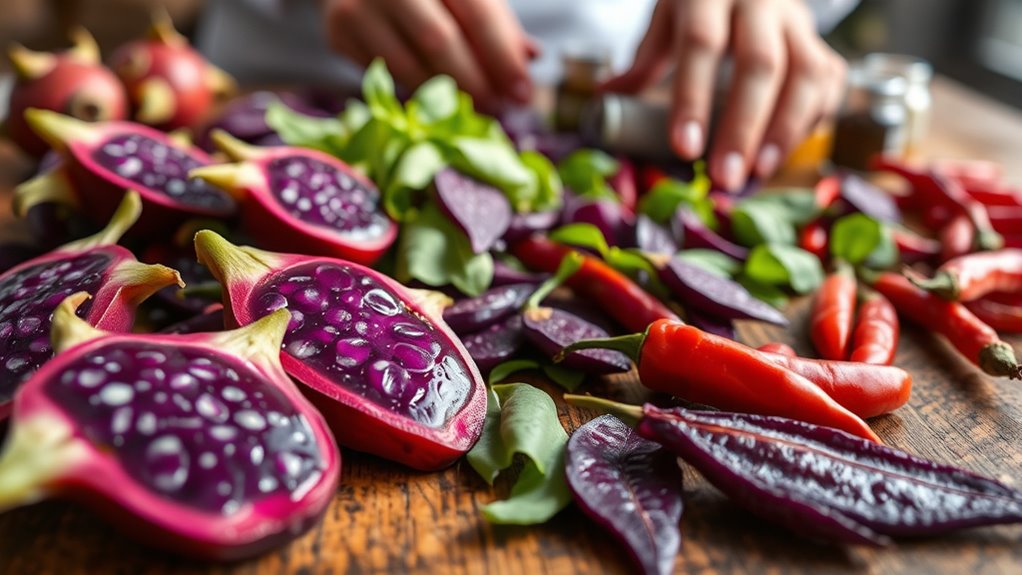

Exploring new ingredients fuels your culinary craft and curiosity by inspiring creativity and expanding your flavor horizons. Trying fresh, seasonal, and global spices lets you experiment with layers of flavor and integrate diverse culinary traditions. Farm-to-table practices ensure ingredients are vibrant and sustainable, elevating your dishes. Embracing these discoveries sparks confidence and innovation in your kitchen. Keep exploring, and you’ll find endless ways to refine your skills and craft unique, exciting recipes.

Get travel and outdoor gear delivered free with Prime
- Fast, free delivery on millions of items
- Prime Video, Amazon Music and more included
- Member-only deals all year
Key Takeaways
- Experimenting with new ingredients elevates dishes and sparks culinary creativity through flavor layering and innovative pairings.
- Incorporating seasonal, farm-fresh produce enhances taste and encourages sustainable, farm-to-table practices.
- Using global spice blends introduces complex flavors, expanding culinary knowledge and inspiring diverse cooking styles.
- Integrating fresh ingredients with international spices enriches dishes, building confidence in flavor blending and recipe development.
- Exploring unfamiliar ingredients promotes ongoing curiosity, experimentation, and personalized culinary expression.

Have you ever wondered how trying new ingredients can transform your cooking? It’s a simple yet powerful way to elevate your dishes, adding layers of flavor and excitement you might not have considered before. One way to do this is by exploring farm to table practices. When you source ingredients directly from local farms, you gain access to fresh, seasonal produce that hasn’t traveled hundreds of miles. This not only enhances the taste but also supports sustainable agriculture. Using fresh, locally sourced ingredients allows you to experiment with flavors at their peak, encouraging you to incorporate seasonal vegetables, herbs, and proteins into your recipes. These ingredients often have a vibrant, natural quality that makes even familiar dishes stand out, inspiring you to get creative in your kitchen. Implementing fraud detection software can help ensure the security of online transactions while you explore new culinary adventures.
Another way to expand your culinary horizons is by experimenting with global spice blends. These mixes combine spices from different parts of the world, creating complex, layered flavors that can transform simple recipes into extraordinary meals. Imagine adding a Moroccan Ras El Hanout or a Thai spice blend to your usual chicken or vegetable dishes. These blends are easy to incorporate and open up a world of possibilities, encouraging you to step outside your comfort zone. Trying new spice combinations pushes your palate and helps you develop a deeper understanding of how different flavors interact. It’s like giving your cooking a passport to new destinations, all from your home kitchen.
Integrating diverse ingredients also invites you to learn about different culinary traditions, enriching your cooking knowledge. When you incorporate farm fresh ingredients with global spice blends, you’re not just adding flavor—you’re creating a narrative in every dish. You might discover that a pinch of sumac or a dash of smoked paprika can completely change the character of a meal, making it more interesting and memorable. These ingredients often inspire you to think differently about what you cook and how you prepare it, encouraging experimentation and discovery. Plus, the more you explore, the more confident you’ll become in blending flavors and creating your own unique dishes.
Products Worth Considering

Samsonite Freeform 2-Piece Hardside Luggage Set, Carry-On and Large Checked Spinner, Black

Samsonite Omni 2 Hardside 3-Piece Luggage Set, Midnight Black

GoPro HERO Compact Waterproof 4K Action Camera
As an affiliate, we earn on qualifying purchases.
Frequently Asked Questions
How Do I Safely Try Exotic Ingredients at Home?
To safely try exotic ingredients at home, start by researching their flavor profiles and common ingredient pairings. Use small amounts first to test how they taste and how they interact with familiar ingredients. Focus on flavor balancing—adding acidity or sweetness if needed—to enhance the dish. Always buy from reputable sources to guarantee quality and safety, and follow any preparation instructions carefully to avoid potential risks.
Can New Ingredients Be Substituted for Traditional Ones?
Yes, new ingredients can be substituted for traditional ones, but you should consider ingredient substitution and flavor adaptation. When replacing an ingredient, think about its texture, moisture, and flavor profile to keep your dish balanced. Start with small amounts and taste as you go, adjusting seasonings if needed. This way, you guarantee your dish maintains its intended flavor while exploring new ingredients confidently.
Are There Health Risks Associated With Unfamiliar Foods?
Yes, unfamiliar foods can pose health risks, especially if you have food allergies or sensitivities. You might experience allergic reactions or cross-reactivity, which can be serious. Also, trying new ingredients without understanding their nutritional profile could lead to deficiencies if they replace essential nutrients. Always research new foods, check for potential allergies, and introduce them gradually to minimize risks and make sure they complement your diet safely.
How Do I Source Rare Ingredients Reliably?
You can’t judge a book by its cover, so focus on ingredient authenticity when sourcing rare ingredients. To navigate sourcing challenges, rely on reputable suppliers, specialty markets, or online stores with verified reviews. Reach out directly to growers or artisans to guarantee quality. Building relationships and asking questions can help you find reliable sources, so you get authentic ingredients without falling into the trap of fakes or subpar quality.
What Are the Cultural Considerations When Using New Ingredients?
When using new ingredients, you should respect their cultural significance and culinary traditions. You’re responsible for understanding their origins and how they’re traditionally prepared or served. Avoid appropriating or misrepresenting these elements, and consider consulting cultural experts or community members. By doing so, you honor the traditions and guarantee your culinary experimentation is respectful and authentic, enriching your dishes without offending or oversimplifying the culture involved.
Conclusion
As you venture into new ingredients, remember you’re opening a door to endless flavor possibilities. Each discovery is like finding a hidden gem, waiting to transform your dishes. Embrace curiosity and let your palate be your compass, guiding you through a world of culinary wonder. With every bold try, you’re stitching together a tapestry of tastes that tell your unique story. Keep exploring—your next delicious adventure is just a bite away.