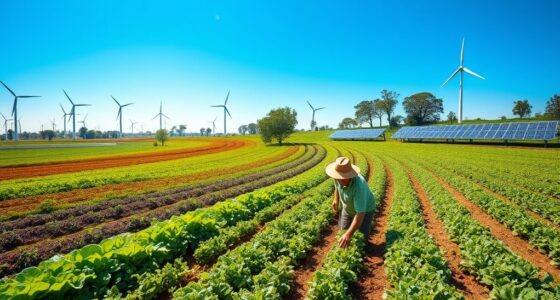
Eating close to home by choosing local foods reduces your carbon footprint by cutting transportation emissions. It also supports local farmers and economies, keeping money within your community. Local, seasonal foods are fresher, tastier, and retain more nutrients, helping you eat healthier. Plus, it minimizes packaging waste and energy use. Embracing this way of eating benefits the environment, your community, and your health—discover more ways to make a positive impact during your food choices.

Get travel and outdoor gear delivered free with Prime
- Fast, free delivery on millions of items
- Prime Video, Amazon Music and more included
- Member-only deals all year
Key Takeaways
- Reduces food miles and transportation emissions, lowering overall carbon footprint.
- Ensures fresher, tastier produce harvested at peak ripeness.
- Supports local farmers and strengthens community economies.
- Decreases reliance on energy-intensive preservation and artificial ripening methods.
- Promotes sustainable practices and preserves regional biodiversity.
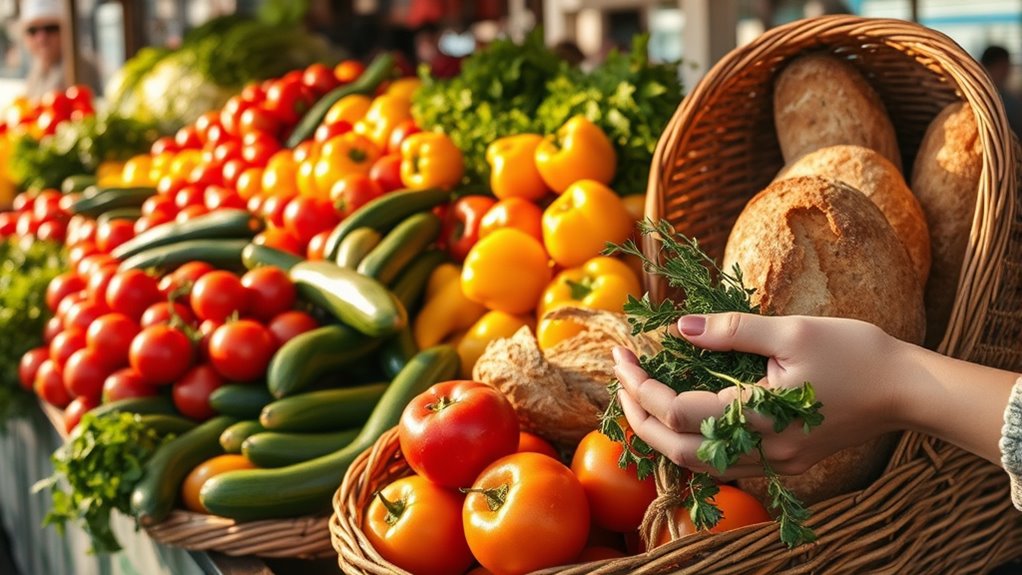
Have you ever wondered why more people are choosing to eat locally grown food? One major reason is the impact it has on reducing food miles. Food miles refer to the distance your food travels from farm to plate. When you buy locally, you cut down on these miles, which means fewer emissions from transportation. This helps lower your carbon footprint and supports efforts to combat climate change. It’s a simple yet powerful way to make a difference with your food choices. Plus, eating locally often encourages seasonal eating, which means consuming foods that are naturally in season in your region. Seasonal eating not only ensures fresher, more flavorful produce but also reduces the need for energy-intensive practices like refrigeration and artificial ripening. When you follow the seasons, you’re more likely to buy fruits and vegetables at their peak ripeness, maximizing taste and nutritional value.
Choosing local food means you’re supporting nearby farmers and communities. Instead of large corporations transporting food across continents, you’re helping small-scale producers who rely on local markets. This keeps money within your community, fostering local economies and strengthening relationships between consumers and growers. It also promotes transparency, as you can often learn more about where your food comes from and how it’s grown. When you buy from farmers’ markets or local stores, you’re more likely to see produce that’s fresher and harvested at its peak, which means better quality and taste. Additionally, eating locally allows you to embrace seasonal eating, which is naturally more sustainable. When you follow the rhythm of the seasons, you’re less tempted to buy out-of-season produce that has traveled long distances and undergone extensive storage or preservation.
Seasonal eating also encourages diversity in your diet. Instead of sticking to the same imported foods year-round, you get to explore a variety of local fruits and vegetables that are available at different times of the year. This not only broadens your palate but also reduces reliance on heavily processed or imported foods. Moreover, local foods tend to require less packaging and preservatives, which further cuts down waste and environmental impact. By focusing on seasonal eating, you’re making a conscious effort to align your diet with natural cycles, which can lead to healthier eating habits overall. It’s a way to reconnect with your local environment and enjoy the bounty that each season offers, all while making a positive impact on the planet. So, choosing to eat locally isn’t just about taste; it’s about making smarter, more sustainable choices that benefit you, your community, and the environment.
reusable produce bags for farmers markets
As an affiliate, we earn on qualifying purchases.
As an affiliate, we earn on qualifying purchases.
Frequently Asked Questions
How Does Local Food Impact Local Economies Long-Term?
By supporting local food, you boost economic growth in your community, creating jobs and increasing income for farmers and vendors. This strengthens community resilience, making your local economy more stable during economic downturns. When you buy close to home, you keep money circulating within your community, fostering long-term benefits like improved infrastructure and social cohesion. Your choices directly contribute to a more vibrant, resilient local economy for years to come.
Are There Any Nutritional Differences Between Local and Non-Local Foods?
You’ll find that local foods often have higher nutritional value because they’re fresher when you buy them. The freshness comparison shows local produce is typically harvested at peak ripeness and reaches you quickly, preserving nutrients better. Non-local foods may lose some nutritional quality during long transportation and storage. So, by choosing local, you get more nutritious, fresher options that support your health and taste better.
What Are the Best Ways to Find Local Food Sources?
Ever wondered where to find fresh local food? You can visit farmers’ markets or join a community supported agriculture (CSA) program. Farmers’ markets are great for browsing seasonal produce directly from growers. CSAs let you subscribe to weekly boxes of local harvests. Both options connect you with nearby farms, ensuring you get fresh, nutritious food while supporting your community. Isn’t that a delicious way to eat closer to home?
How Can I Support Local Farmers Beyond Buying Food?
You can support local farmers by participating in community events like farmers’ markets and farm festivals, which boost their income and visibility. Volunteering at farms allows you to learn more about sustainable practices and directly assist with farm work. Additionally, spreading the word about local farms and their products helps build a stronger community connection, ensuring farmers thrive and continue providing fresh, local food for everyone.
Are Local Foods Available Year-Round in Most Regions?
Most regions don’t have local foods available year-round due to seasonal availability and regional variations. You might find certain fruits and vegetables only during specific seasons, but you can often preserve or find frozen options to enjoy local flavors year-round. To maximize local eating, consider growing your own seasonal produce or visiting farmers’ markets during harvest times. This way, you support local agriculture while enjoying fresh, regional foods whenever possible.
seasonal produce storage containers
As an affiliate, we earn on qualifying purchases.
As an affiliate, we earn on qualifying purchases.
Conclusion
By choosing local food, you’re planting seeds of change right in your community’s garden. Picture a vibrant mosaic, each piece representing fresh, sustainable produce from nearby farms—together, they create a colorful, nourishing picture of health and environmental care. When you eat close to home, you’re not just filling your plate; you’re cultivating a better future for yourself and the planet. So, why not take a step closer to a more vibrant, sustainable life today?
As an affiliate, we earn on qualifying purchases.
As an affiliate, we earn on qualifying purchases.
Halloween Picks
halloween
As an affiliate, we earn on qualifying purchases.