TL;DR
A durable student backpack should be made from high-denier nylon or Cordura, feature reinforced stitching, and offer ergonomic design. Investing in quality saves money and hassle over time, especially when you choose brands known for longevity.
Ever carried a backpack that tears after a few months? You’re not alone. Finding a backpack that withstands the daily grind is like discovering a rare gem. This guide cuts through the noise to show you what makes a backpack truly durable—so you can avoid constant replacements and keep your gear safe for years.
Whether you’re shopping for your kid or yourself, understanding the materials, design features, and latest innovations helps you make a smart choice. Ready to learn how to pick a backpack that’s built to last? Let’s go.
High-denier nylon and Cordura fabrics are the gold standard for durability, lasting 3-5 years with proper care.
Ergonomic features like padded straps and supportive backs prevent wear and tear, extending the pack’s life.
Reinforced stitching and quality zippers are key indicators of a backpack’s long-term resilience.
Regular cleaning and avoiding overloading can double a backpack’s lifespan.
Latest innovations include eco-friendly recycled materials and tech features like USB ports, blending durability with modern needs.
What Materials Make a Backpack Last Years, Not Months?
The secret to a long-lasting backpack lies in its fabric. High-denier nylon, ballistic nylon, and Cordura are the heavy hitters. These fabrics resist tears and abrasions like a champ. Imagine dragging your backpack over rough pavement or a gravel driveway—these materials hold up. But it’s not just about resistance; these fabrics also impact the weight and flexibility of your pack. Thicker fabrics like 1000D nylon offer superior durability but can add weight, which might be a concern for lighter travel or younger students. Conversely, lighter fabrics may compromise longevity but are easier to carry.
For example, a student who uses a backpack daily for three years often credits Cordura fabric because it balances durability with manageable weight. Reinforced stitching and sturdy zippers further boost durability, preventing weak spots from turning into failures. This combination ensures the backpack can handle the stress of daily use while maintaining its integrity over time.
So, when shopping, check the fabric label. Anything labeled “600D” or “1000D” indicates higher durability, but also consider how much weight you’re willing to carry. Brands like North Face and Osprey use these materials, making their backpacks stand out in durability tests. Remember, the tradeoff often lies in weight versus strength—your choice depends on your priorities and daily needs.
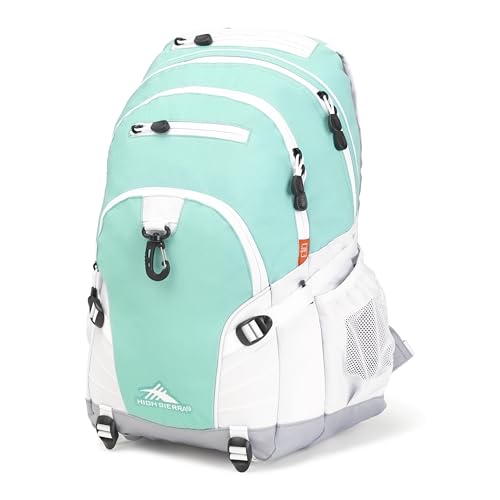
High Sierra Loop Backpack, Travel, or Work Bookbag with tablet sleeve, One Size, Aquamarine/White/Ash
Dimensions: 19 x 13.5 x 8.5-inch
As an affiliate, we earn on qualifying purchases.
As an affiliate, we earn on qualifying purchases.
How Ergonomic Design Protects Your Back and Your Backpack
A backpack isn’t just about tough fabric. Ergonomic design plays a key role in longevity by reducing stress on both the pack and the user. Padded shoulder straps, a supportive back panel, and adjustable straps distribute weight evenly, which is crucial for preventing premature wear and tear. When a backpack is poorly designed, stress concentrates on weak points—like seams and straps—leading to tears or broken zippers over time.
For example, a high school student carrying heavy textbooks benefits from a backpack with a padded, contoured back and wide straps. This setup not only prevents back pain but also ensures that the load is spread out, reducing strain on specific areas. Over time, this even distribution minimizes the risk of fabric fatigue and hardware failure. Proper ergonomic features serve as a form of wear prevention—by decreasing uneven stress, they extend the lifespan of the entire pack.
Look for backpacks with multiple adjustment points and padded straps—these details extend the life of both the pack and your body’s comfort. Investing in ergonomic design is a smart way to protect your investment, as it reduces the likelihood of damage caused by improper weight distribution or user fatigue.

Simple Modern Disney Ellis Backpack for School | Medium 20L Elementary Middle and High School Bookbag for Kids and Teens | Girls and Boys | Tropical Stitch
Stylish: The Ellis is both trendy and functional, coming in a variety of in-style colors to make this…
As an affiliate, we earn on qualifying purchases.
As an affiliate, we earn on qualifying purchases.
Compare Top Durable Backpack Brands in a Quick Table
| Brand | Price Range | Key Durability Features | Estimated Lifespan |
|---|---|---|---|
| North Face | $80 – $150 | High-denier nylon, reinforced stitching, water-resistant coating | 3-5 years |
| Osprey | $100 – $200 | Ballistic nylon, ergonomic design, high-quality zippers | 4-6 years |
| SwissGear | $50 – $120 | Reinforced seams, durable polyester, water-resistant | 2-4 years |
| Under Armour | $70 – $130 | Reinforced fabric panels, padded straps, sturdy zippers | 3-5 years |

JanSport Cool Backpack, with 15-inch Laptop Sleeve – Large Computer Bag Rucksack with 2 Compartments, Ergonomic Straps, Black
The most trusted name in backpacks – every Jan sport comes with a lifetime. Carry your Jan sport…
As an affiliate, we earn on qualifying purchases.
As an affiliate, we earn on qualifying purchases.
Easy Tips to Keep Your Backpack Lasts for Years
- Clean it regularly with a damp cloth and mild soap. Dirt and grime weaken fabric over time, leading to faster deterioration. Regular cleaning removes abrasive particles that can cause small tears, especially in high-stress areas like zippers and seams. Proper maintenance prevents dirt buildup that can trap moisture, which accelerates fabric decay.
- Avoid overloading. Stick to the recommended weight (usually under 10-15% of your body weight). Excessive weight puts undue stress on seams, straps, and zippers, causing them to fail prematurely. Respecting load limits preserves the structural integrity of the pack and extends its usable life.
- Store in a dry place. Moisture causes mold, mildew, and weakens seams. Keep your backpack dry and avoid leaving it in damp environments. Proper storage conditions prevent material breakdown and hardware corrosion, ensuring the bag remains functional longer.
- Inspect zippers and stitching monthly. Repair small tears or loose threads early. Catching problems early prevents them from escalating into larger failures that could compromise the entire pack. Regular inspections are a proactive way to maintain durability.
- Choose a backpack with reinforced seams and quality zippers—these are less likely to fail with daily use. Investing in robust hardware and stitching upfront reduces the need for repairs and replacements later, saving money and hassle.
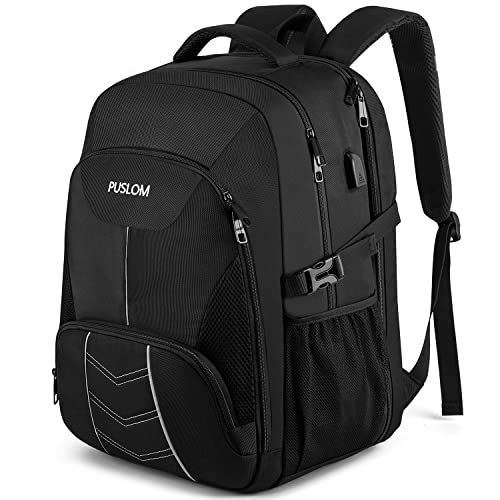
Extra Large Backpack for Men 55L,18.4Inch Travel Laptop Backpack with USB Charging Port Business Flight Approved Carry On Backpack,TSA Big Capacity Heavy Duty Computer Bag College Bookbag,Black
SUPER LARGE CAPACITY & MULTI POCKETS – Extra large backpack owns 20+ independent pockets for large storage and…
As an affiliate, we earn on qualifying purchases.
As an affiliate, we earn on qualifying purchases.
The Latest in Backpack Tech and Eco-Friendly Durability
Backpacks aren’t just about rugged fabric anymore. The newest models include anti-theft features, USB charging ports, and anti-microbial linings. These innovations add to durability by protecting electronics and preventing bacteria buildup.
Eco-conscious brands now offer backpacks made from recycled materials like PET bottles, combining durability with sustainability. For example, a student using a recycled polyester pack reports it lasts as long as traditional brands, with the added benefit of helping the planet. These eco-friendly options often incorporate UV-resistant and water-repellent coatings, which further extend their lifespan by resisting weather-related wear.
Keep an eye out for water-resistant coatings and coatings that resist stains—these extend the life of your bag by protecting it from daily spills and weather. The integration of technological features and sustainable materials reflects a broader trend: durability that aligns with modern needs and environmental responsibility.
Choosing the Right Backpack: What to Prioritize
Picking a durable backpack isn’t just about price or brand. It’s about matching features to your needs. For daily heavy loads, prioritize high-denier fabrics, ergonomic design, and reinforced seams. These elements directly influence how well the backpack can withstand frequent use and heavy weight without failing prematurely.
If you’re often caught in rain, water resistance matters. A water-resistant coat or waterproof materials prevent damage from weather, which can significantly shorten a backpack’s lifespan if not addressed. For tech lovers, look for models with built-in charging ports and anti-theft features—these add convenience but also introduce potential weak points, so quality construction is essential.
Think about your child’s age, size, and activity level. A college student might need a sleek, lightweight pack with good padding, while a middle schooler benefits from a more rugged, reinforced design that can handle rough handling and frequent use. Selecting the right features for your specific situation ensures the backpack will last longer and serve its purpose effectively.
Remember: a well-chosen backpack with proper use can last 3-5 years or more—a true investment in comfort and durability.
Frequently Asked Questions
What is the most durable material for student backpacks?
High-denier nylon, ballistic nylon, and Cordura fabrics are the strongest, resisting tears and abrasions. They’re used by top brands and are proven to last several years with proper care.
How can I tell if a backpack is truly durable?
Check the fabric quality, reinforced stitching, and zippers. Reading user reviews and looking for brands known for durability helps avoid low-quality options.
Are more expensive backpacks worth it?
Generally, yes. Higher prices often reflect better materials and construction that last longer, saving you money and hassle over time.
What features should I prioritize for a student backpack?
Focus on ergonomic design, water resistance, sufficient compartments, reinforced seams, and quality zippers. These features protect your investment and extend the backpack’s life.
How do I care for my durable backpack?
Clean it regularly, avoid overloading, store it dry, and inspect for damage. Proper maintenance keeps it in top shape for years.
Conclusion
Choosing a backpack that lasts is about more than just price. Focus on quality fabrics, smart design, and proper care. A truly durable pack becomes a trusted partner, carrying not just books but peace of mind for years.
So, when you pick your next backpack, think long-term. Your back, your budget, and the planet will thank you for it.