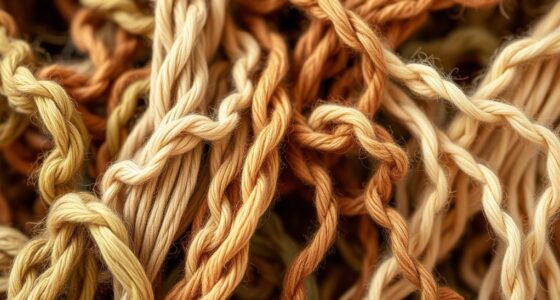
Discover the rich heritage of Sardinian crafts and weaving, where you’ll see vibrant patterns full of meaning that tell stories of local customs and history. Skilled artisans use traditional tools and techniques, working with natural fibers and dyes to create durable, beautiful textiles. Each piece is unique, showcasing craftsmanship passed down through generations. If you want to explore more about Sardinian textile traditions and their cultural significance, continue to explore this fascinating heritage.
Key Takeaways
- Sardinian textile patterns are rich in symbolism, representing local customs, history, and community identity through geometric and floral motifs.
- Traditional weaving involves hand-spinning and vertical looms, preserving techniques passed down through generations.
- Natural fibers like wool, cotton, and linen are dyed with locally sourced dyes, ensuring vibrant, durable textiles.
- Craftsmanship emphasizes patience and skill, with each piece embodying cultural pride and artistic expression.
- Preservation of these techniques safeguards Sardinia’s cultural heritage and ensures continuity of its unique craft traditions.
Sardinia’s rich cultural heritage is beautifully preserved through its traditional crafts and weaving, which have been passed down for generations. When you explore the island’s textile traditions, you quickly notice the vibrant Sardinian textile patterns that are distinctive and full of meaning. These patterns aren’t just decorative; they tell stories of local customs, history, and identity. Each motif, whether geometric or floral, has a specific significance that has been maintained through centuries of craftsmanship. As you observe these textiles, you realize how deeply intertwined they are with Sardinian culture.
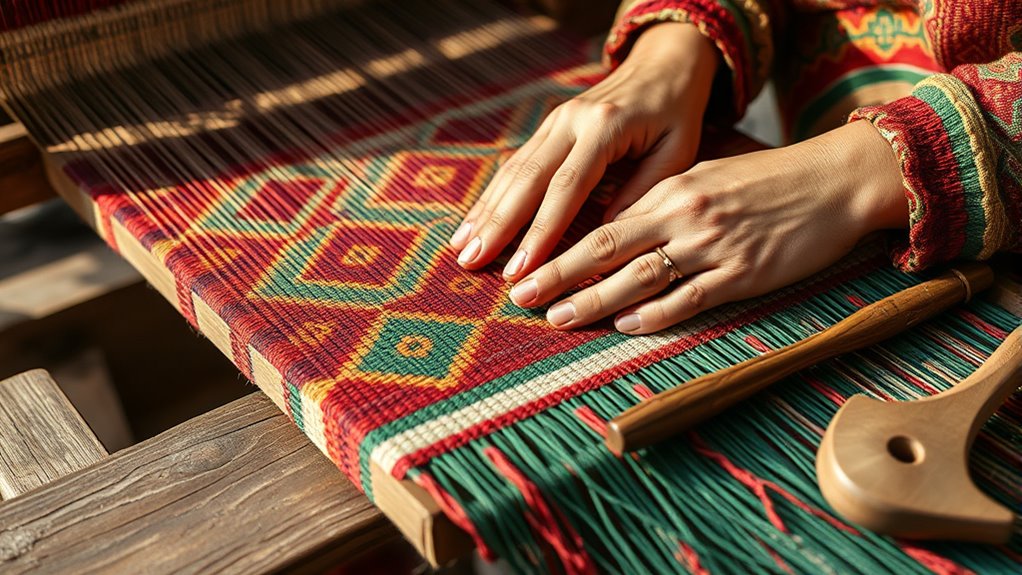
You’ll find that local weaving techniques are central to creating these intricate textiles. The artisans use age-old methods, often involving hand-spinning and hand-weaving, which give each piece a unique character. These techniques require patience and skill, as they are passed directly from generation to generation. You might even have the opportunity to see artisans at work, where you’ll witness the careful selection of raw materials like wool, cotton, or linen, and the meticulous process of transforming them into fabric. The traditional tools—like the vertical loom—are still used, preserving the authentic process that has shaped Sardinian textiles for centuries.
Discover Sardinian craftsmanship through hand-spinning, weaving, and traditional tools that craft unique, authentic textiles.
By participating in or observing these weaving practices, you gain a deeper appreciation for the precision and artistry involved. The local weaving techniques often include specific stitches and finishing methods that contribute to the durability and beauty of the textiles. These techniques are adapted to the climate and lifestyle of Sardinia, making the fabrics ideal for everyday use and special occasions alike. The colors used—mainly natural dyes—are carefully chosen to complement the patterns, further highlighting the craftsmanship behind each piece.
Sardinian textile patterns often feature symbols representing nature, religious beliefs, or community life. These motifs are not random; they serve as a form of visual storytelling, connecting you to the island’s history and traditions. When you wear or display these textiles, you carry with you a piece of Sardinia’s soul. The craftsmanship is more than just a skill; it’s a cultural expression that embodies the resilience and pride of the Sardinian people. Preserving these traditional weaving techniques and patterns ensures that future generations can continue to appreciate and celebrate this rich heritage, making every woven item a treasure of Sardinian culture. Additionally, the chemical reactions within the fibers contribute to the textiles’ longevity and vibrant appearance over time.

AHANDMAKER 2 Sets Wood Knitting Loom Tool Kits 5 Pieces Knitting Weaving Loom Tools Shuttle Weaving Stick for Beginner Weaving DIY Craft Weaving Accessories
Package Include: 1 wooden knitting crochet hook, 1 wooden wood shed stick , 2 wooden shuttle sticks and…
As an affiliate, we earn on qualifying purchases.
As an affiliate, we earn on qualifying purchases.
Frequently Asked Questions
What Are the Origins of Sardinian Weaving Techniques?
You might be surprised to learn that Sardinian weaving techniques have a rich historical evolution rooted in ancient times. These methods reflect the island’s cultural significance, blending local traditions with influences from various civilizations. By practicing these skills, you connect with Sardinia’s past, preserving a essential aspect of its identity. The techniques have been passed down through generations, making them a living testament to Sardinian history and cultural resilience.
Which Materials Are Most Commonly Used in Sardinian Crafts?
You mainly use natural fibers like sheep wool, cotton, and flax for Sardinian crafts. These materials are valued for their durability and connection to local tradition. You also incorporate vibrant dyes and pigments derived from plants and minerals to color your creations, giving each piece a distinctive, authentic look. This combination of natural fibers and natural dyes reflects the island’s rich cultural heritage and commitment to sustainable practices.
How Have Modern Influences Affected Traditional Sardinian Weaving?
Contemporary adaptations and digital influence have transformed traditional Sardinian weaving by blending old techniques with modern design. You’ll notice brighter colors, innovative patterns, and new materials that appeal to today’s tastes. While some purists resist these changes, many artisans embrace them, reaching wider audiences online. This fusion preserves Sardinian craftsmanship while making it relevant in a digital age, ensuring these beautiful traditions continue thriving amidst evolving cultural landscapes.
Are There Specific Regions Known for Particular Craft Styles?
You’ll find that specific regions in Sardinia are renowned for their unique craft styles. For example, Oristano is a craft hub famous for intricate textiles, while Gallura specializes in detailed basketry. These regional styles reflect local traditions and resources, giving each area its distinct identity. Exploring these craft hubs allows you to experience Sardinia’s rich cultural diversity firsthand and appreciate the craftsmanship passed down through generations.
How Can Visitors Learn Sardinian Weaving Skills Today?
Imagine your hands becoming threads in a rich tapestry of Sardinian tradition. You can learn weaving skills today by joining local weaving workshops, where artisans share their age-old secrets. These workshops offer more than knowledge—they’re craft souvenir opportunities, letting you take home a piece of Sardinia’s soul. Immerse yourself in the vibrant fibers, feel the history, and craft your own unique keepsake that captures the island’s timeless artistry.
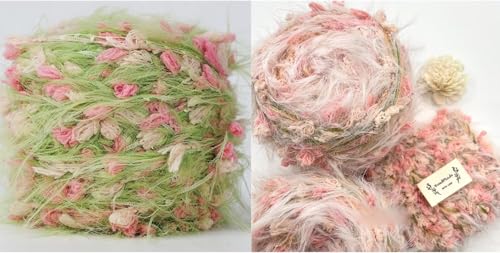
WWnYYUS Hand Spun Yarn 4 Pack of 50g/Skein Wool Cotton Mohair Acrylic with Hand Art Blended Colorful Handmade (Green 2 Pack and Pink 2 Pack)
【WWnYYUS Handspun Blend Yarn Collection】: Materials: Cotton, Nylon, Polyester, Aramid, Mohair. We maximize the appeal of each material…
As an affiliate, we earn on qualifying purchases.
As an affiliate, we earn on qualifying purchases.
Conclusion
So, next time you see a Sardinian shawl, imagine yourself stepping into a bustling village workshop, where skilled hands twist and weave stories into fabric — all without a single Instagram post. These crafts aren’t just relics; they’re lively, colorful rebellions against mass production. So, give a nod to tradition, because in Sardinia, even the threads have a history worth fighting for, one stitch at a time.

Qualia All Purpose Powder Fabric Dye, Easy to Use Dye for Natural Fabrics: Cotton, Wool, Silk, Wood, & Linen, Ultra Concentrated Colors, Color Mix, 5 Pack
Vibrant and Long-Lasting: Qualia Fabric Dyes offer ultra-concentrated colors that last, dyeing up to 600g of fabric in…
As an affiliate, we earn on qualifying purchases.
As an affiliate, we earn on qualifying purchases.

Rastogi Handicrafts Indian Handmade Embroidered Patchwork Old Hanging Wall Art Vintage Tapestry Old Sari Cutting Wall Hanging Parda (YELLOW, 20 X 40 INCH)
vintage patchwork tapestry made of cotton dresses patchwork
As an affiliate, we earn on qualifying purchases.
As an affiliate, we earn on qualifying purchases.