
In literary minimalism, you learn to do more with less by choosing precise words and stripping away excess. You rely on symbolic imagery to evoke deep emotions and ideas, trusting your reader to interpret subtle cues. Every sentence should serve a purpose, creating a focused, powerful experience. This approach invites active engagement and layered meaning without clutter. If you explore further, you’ll discover how simplicity can uncover profound storytelling.
Key Takeaways
- Emphasizes concise language, removing unnecessary words to create powerful, focused narratives.
- Uses symbolic imagery to convey complex themes with minimal detail.
- Prioritizes narrative economy, ensuring each word advances the story or idea.
- Invites reader interpretation through subtle cues and silence, enriching the reading experience.
- Achieves emotional and thematic depth by trusting minimalism’s ability to evoke layered meanings.

Have you ever wondered how less can truly be more in literature? In the domain of literary minimalism, every word counts. You’re encouraged to strip away excess, leaving behind only what’s essential to convey your message. This approach relies heavily on symbolic imagery—powerful, concise images that evoke deeper meanings without lengthy explanations. Instead of explicitly describing every detail, you use a few carefully chosen symbols to stir the reader’s imagination. For example, a single rainstorm might symbolize renewal, despair, or cleansing, depending on how you position it within your narrative. These symbols act as condensed emotional or thematic signifiers, allowing you to communicate complex ideas with minimal language. Developing a growth mindset can help you embrace the discipline required for minimalist writing, trusting that subtlety can convey powerful messages. Alongside symbolic imagery, narrative economy plays an essential role in minimalist writing. This concept revolves around the efficient use of words and narrative structure, ensuring that every sentence advances the story or deepens the theme. You focus on brevity and precision, avoiding unnecessary exposition or elaborate description. Each scene, dialogue, or description serves a purpose and contributes to the overall impact. This economy of storytelling creates a sharper, more focused reading experience, where subtlety and suggestion replace verbosity. It’s about trusting your reader to understand the layers of meaning beneath the sparse surface, making their engagement more active and rewarding. Minimalist writers often employ a stoic tone, using simple language that invites interpretation rather than dictating every detail. This restraint heightens the significance of your symbolic imagery, transforming ordinary objects or moments into profound symbols. When you write with narrative economy, you learn to leave space for the reader to fill in gaps, making the story feel more alive and personal. Less becomes more because every word, image, and silence carries weight. Ultimately, this style demands discipline and clarity. You learn to pare down your language, focusing on what truly matters. The result is a work that resonates deeply, leveraging symbolic imagery and narrative economy to create a powerful, layered experience within a compact framework. By embracing minimalism, you allow your readers to engage more actively, encouraging them to uncover the richness beneath the surface. In this way, less isn’t just about simplicity; it’s about amplifying meaning through restraint, making each word and symbol count.

Primal Scribe Odyssey Notebook Journal for Men – Lined Pages, 100 GSM Thick Kraft Paper, A5 Size, Brown Leather, Soft Cover
🤠 – PURPOSE – 'Primal Scribe' exists as a steadfast beacon, igniting the primal instinct within every man's…
As an affiliate, we earn on qualifying purchases.
As an affiliate, we earn on qualifying purchases.
Frequently Asked Questions
How Does Minimalism Influence Modern Storytelling Techniques?
Minimalism influences modern storytelling by emphasizing symbolic language and narrative economy. You’re encouraged to use fewer words, so each detail becomes more meaningful, allowing readers to interpret deeper themes. This approach strips away unnecessary exposition, making stories more impactful and concise. You’ll find that this style fosters emotional resonance, inviting audiences to engage actively with the narrative and uncover layers of meaning through subtle cues and carefully chosen symbols.
What Are Key Authors Known for Minimalist Literature?
You should explore authors like Raymond Carver, Ernest Hemingway, and Amy Hempel, who excel in minimalist literature. They master the symbolic economy by using sparse language that conveys deep meaning. Their work emphasizes narrative brevity, stripping stories down to essentials, allowing readers to find significance in simplicity. These writers demonstrate how a few carefully chosen words can evoke powerful emotions and insights, embodying the core principles of literary minimalism.
Can Minimalism Be Applied Across Different Literary Genres?
You’ll find that minimalism can be applied across genres, with over 60% of contemporary fiction embracing symbolic simplicity. This approach strips away excess, allowing themes to resonate more deeply. From poetry to prose, genre adaptability thrives when you focus on clarity and economy of language. Minimalism’s versatility helps convey complex ideas succinctly, making your writing more powerful and accessible across diverse literary forms.
How Does Minimalism Impact Reader Interpretation?
Minimalism impacts your interpretation by inviting symbolic ambiguity, which encourages you to explore multiple meanings behind sparse details. This style enhances your engagement, as you actively fill in gaps and seek personal connections. When authors use minimalism, you become more involved in deciphering layered symbols, making the reading experience richer and more personal. It transforms passive consumption into active discovery, deepening your understanding through thoughtful interpretation.
What Are Common Challenges in Writing Minimalist Literature?
You face challenges like balancing symbolic language and maintaining narrative economy. It’s tough to craft clear, impactful scenes without over-explaining, since every word must carry weight. You need to distill complex ideas into simple, powerful images, which requires precision and restraint. Achieving this minimalism demands careful editing, ensuring each detail serves the story, while avoiding ambiguity or loss of meaning.
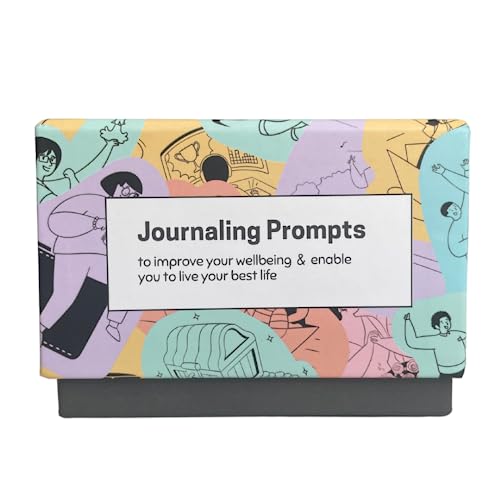
Journalive! 120 Journal Prompts Cards – Inspirational & Creative Writing to Calm Anxiety, Improve Mental Health Wellbeing & Mindfulness, Manifest Growth via Self-Reflection, Self-Care & Self-Discovery
Wide Range of Prompts: Unlike some products which require you to purchase individual subjects, our beautifully illustrated box…
As an affiliate, we earn on qualifying purchases.
As an affiliate, we earn on qualifying purchases.
Conclusion
In embracing literary minimalism, you discover that less truly becomes more. Every carefully chosen word, like a brushstroke, paints a vivid picture with striking clarity. Don’t underestimate the power of simplicity; it’s the quiet strength behind profound stories. As you strip away the unnecessary, you reveal the raw essence of human experience—an echo that lingers long after the last page. Remember, sometimes, silence speaks the loudest.

Concise Guide to APA Style: 7th Edition (OFFICIAL)
Full color throughout
As an affiliate, we earn on qualifying purchases.
As an affiliate, we earn on qualifying purchases.
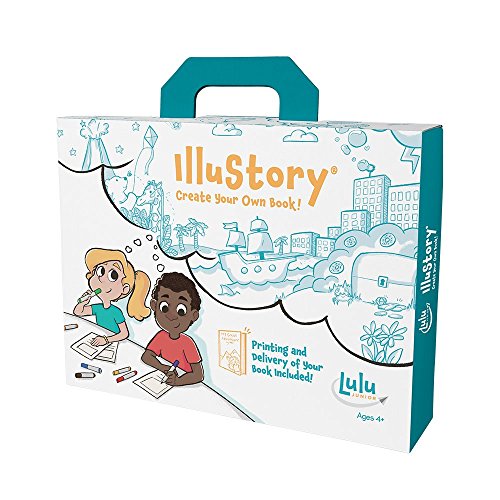
Lulu Jr. Illustory Book Making Kit, Multicolor
IlluStory – Create Your Own Book! is the newest version of the award-winning bookmaking kit for children
As an affiliate, we earn on qualifying purchases.
As an affiliate, we earn on qualifying purchases.